Justin work boots review — practical picks for concrete floors, wet outdoor jobs, industrial work, wedge-sole comfort, and rugged steel-toe protection.
Evaluated for break-in, fit, outsole grip, waterproofing, comfort on concrete, and long-shift durability across indoor and outdoor work conditions.
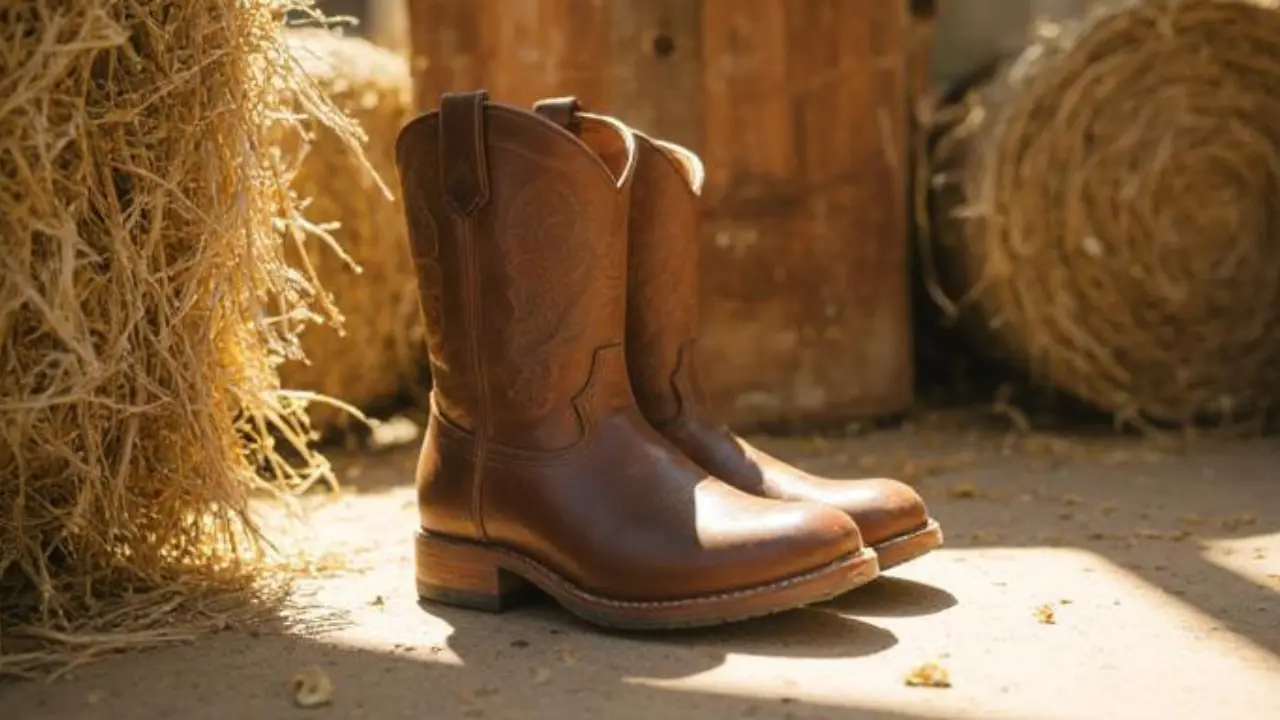
Field-Tested: Fit, break-in, and concrete/yard performance on Worker Two, Pulley, Axe, Joist & Wyoming.
Skip to top pick — Worker TwoIf you’re sizing up Justin work boots for real jobsite use, this quick, no-fluff review covers fit, break-in, and where each model actually shines. We compare the Worker Two, Pulley 8″ Steel Toe, Axe 10″ Wedge, SE4624 Joist Waterproof, and Wyoming Waterproof Steel Toe across concrete comfort, wet-weather protection, and outdoor traction—calling out D/EE width notes, ASTM F2413/EH safety, and when to choose steel toe vs composite. You’ll also get wedge vs lug guidance, typical break-in timelines, and common fail points with simple fixes, so you can match the right Justin boot to your surface, shift length, and safety requirements without wasting a paycheck.
Quick Answer: Yes, Justin boots are good for work when you choose the right model for the surface and job. Their wedge boots are strongest for concrete comfort, their pull-ons work well for muddy outdoor use, and their steel-toe lace-ups are better for heavier industrial jobs. They are not the most premium boots on the market, but they are a strong value brand with several dependable work-ready options.
If most of your shift is spent on slab, it helps to compare outsole types against our full breakdown of best boots for standing on concrete to see how wedges and cushioned midsoles stack up.
For a deeper comparison of wedge comfort on warehouse floors, our wedge sole work boots guide explains how flat profiles reduce pressure over long indoor shifts.
Justin boots tend to make the most sense for workers who want dependable value, traditional leather work-boot styling, and a model range that covers wedge soles, pull-ons, and heavier steel-toe lace-ups. They are usually less premium than Red Wing, less athletic-feeling than Ariat, and strongest when you match the exact Justin model to the right surface instead of assuming every pair works the same way.
Why Trust This Guide
- Evaluated using fit, break-in time, outsole grip, cushioning, waterproofing, and long-shift comfort criteria.
- Built around real use cases on concrete floors, steel decking, gravel yards, muddy work zones, and indoor shop surfaces.
- Compares wedge, pull-on, and lace-up Justin models so readers can match the boot to the job instead of guessing by brand name alone.
- Updated twice per year to reflect availability, safety labeling, and worker feedback.
What Are the Best Justin Work Boots in 2026?
Quick Answer
The best Justin work boots depend on your surface and safety needs. Wedge-sole Justin boots are strongest for long indoor shifts on concrete, waterproof pull-ons work better for muddy outdoor jobs, and heavier lace-up steel-toe models are the better call when you need ankle support and tougher traction.
- Wedge soles for concrete and warehouse work
- Waterproof pull-ons for muddy outdoor jobs
- Lace-up steel toes for heavier industrial work
- D and EE width options on many models
Justin Work Boots Review 2026
Are Justin Boots Good for Work?
Justin work boots are good when you match the model to the job. The brand is strongest in traditional leather work boots, wedge soles for concrete, waterproof pull-ons for wet outdoor use, and steel-toe lace-ups for heavier industrial work. They are usually a better value pick than a premium brand like Red Wing, but they are not as consistently cushioned or refined across every model.
In this Justin work boots review, the main differences come down to outsole type, safety toe, waterproofing, and how much support you need. The Axe makes more sense for concrete and warehouse work, the Joist suits muddy outdoor jobs, and the Pulley or Wyoming are better for workers who need more protection and ankle support.
That is why this page breaks the line up by actual use case instead of treating all Justin boots the same. Some are comfortable daily work boots. Some are tougher but heavier. Some break in fast. Some need a few shifts before they settle.
Are Justin Boots Good?
(Real-World Pros & Cons)
Pros
- J-Flex + stabilization tech make long concrete shifts easier.
- Wide model range (heights, steel toe/composite toe, D/EE widths) = easier fit.
- Plenty of waterproof and EH-rated options.
- Wedge and many pull-ons have a quick break-in.
Cons
- Some heavy-duty lace-ups feel a bit heavy out of the box.
- Entry-level outsoles can wear faster on rough gravel/ballast.
- Not all models breathe well in summer heat.
- Eyelets/stitching need care if you crank laces in wet weather.
Common fail points: heel separation after ladder work, forefoot outsole wear on concrete, eyelets pulling when over-tightened.
Justin vs Ariat vs Red Wing
(Which Fits You?)
| Brand | Comfort / Weight | Durability / Build | Price / Value |
|---|---|---|---|
| Justin | Traditional feel; comfy after break-in; wedges & pull-ons break in fast. | Solid for the money; outsole durability varies by line. | Broad range; strong value. |
| Ariat | Sportier fit; often lighter; lots of instant step-in comfort. | Good day-to-day durability; tech foams prioritize comfort. | Mid to upper-mid for comfort tech. |
| Red Wing | More structured/supportive; firmer break-in. | Premium leathers and construction; long-term with care. | Higher upfront; pays off if maintained. |
Rule of thumb: choose Justin for dependable value and classic fits, Ariat for lighter feel out of the box, and Red Wing for premium longevity.
For most workers, the Justin vs Ariat decision comes down to feel. Justin work boots usually have a more traditional leather-work-boot fit and a stronger value focus, while Ariat work boots often feel lighter and more athletic straight out of the box. If you want classic wedge and western-style work options, Justin usually makes more sense. If you want lighter comfort right away, Ariat often has the edge.
Once you know which Justin model actually fits your job, the next step is choosing a retailer with the right size run and a return policy that won’t punish you for getting it wrong the first time. Our guide on where to buy work boots compares the best places to order online or shop in person.
Some Justin models loosen up naturally with wear, but a tight spot at the instep, shaft, or forefoot may still need a more targeted fix. If that is the issue, this guide explains how to stretch leather work boots safely without flattening the shape or weakening the upper.
| Product | Highlights | Best For | Price |
|---|---|---|---|
| Justin Worker Two | Roomy safety toe with J-Flex comfort; padded ankle for all-day wear. | All-around jobsite use on concrete & tie plates | |
| Justin Pulley | 8″ lace-up ankle lock-in; oil/slip-resistant sole; tough leather upper. | Heavy industrial work where steel toe + stability matter | |
| Justin Axe | Smooth wedge sole spreads pressure; J-Flex + Stabilization for long shifts. | Warehouse/indoor work and long days on concrete | |
| Justin Joist | Waterproof pull-on with moisture-wicking liner; easy on/off convenience. | Wet/muddy outdoor tasks when a safety toe isn’t required | |
| Justin Wyoming | Waterproof lace-up with high-ankle support and real traction under load. | Rugged all-day outdoor work needing waterproof + steel toe |
Fit & Sizing
(Do Justin Boots Run Big or Small?)
- Worker Two: true to size; medium volume. D/EE. Break-in ~1–3 shifts.
- Pulley 8″ Steel Toe: secure heel, slightly snug forefoot. D/EE. Break-in ~3–5 shifts.
- Axe 10″ Wedge: roomier toe; fast break-in. D/EE. Break-in ~1–2 shifts.
- SE4624 Joist Waterproof (pull-on): a touch generous; thicker socks help. D/EE. Break-in ~1–3 shifts.
- Wyoming Waterproof Steel Toe: supportive/firm at first. D/EE. Break-in ~3–5 shifts.
If you’re between sizes or use thick socks/insoles: most go ½ size up in pull-ons and true-to-size in lace-ups.
Justin Steel Toe Boots and Lace-Up Work Boots
If you need toe protection, Justin steel toe boots are strongest in the brand’s heavier-duty lace-up lines. Models like the Pulley and Wyoming make more sense for industrial work, outdoor construction, and job sites where impact protection, ankle support, and tougher outsole grip matter more than low weight.
Justin lace-up boots usually feel more secure than the brand’s pull-on models when you are climbing, walking uneven ground, or carrying heavier loads. Pull-ons are easier to live with in mud and wet conditions, but lace-ups are usually the better choice when heel lock, ankle stability, and all-day support matter more.
Justin Worker Two Safety Toe Work Boot
Best for: All-around jobsite use (comfort on concrete/tie plates).
TFF Rating:
Justin Worker Two review: reliable daily driver with J-Flex comfort and a roomy safety toe for mixed indoor/outdoor work. Great on concrete and steel decking after a short break-in.
This one’s a no-frills, all-purpose workhorse. The Justin Worker Two Safetytoe Boot is ideal if you’re looking for something dependable that won’t let you down halfway through the shift. It features a square soft toe, but don’t let “soft” fool you—this thing is sturdy, with plenty of protection up front and a roomy toe box that doesn’t crush your feet after 10 hours.
The boot’s EVA/rubber combo sole gives solid grip across concrete, gravel, and steel decking, while the J-Flex Comfort System makes long days a little more bearable. There’s decent ankle support without feeling stiff, and the padded collar is a welcome touch when you’re bending, climbing, or hauling. Some guys say the insole could use an upgrade, especially if you’re working double shifts, but that’s an easy fix with aftermarket inserts.
If you need a reliable, durable boot that gets the job done without a ton of break-in drama, this one’s worth a serious look.
Key Features:
- Square soft toe with safety support
- J-Flex Comfort insole
- Combination EVA/rubber outsole
- Lace-up design with padded collar
Worker Two — best for all-around jobsite use on concrete/tie plates; comfort first.
Pros
- Built-in safety toe and solid outsole grip
- Comfortable ankle padding
- Versatile for indoor and outdoor jobs
Cons
- Insole may need upgrading for long hours
- Not fully waterproof
Justin Men’s Pulley 8″ Steel Toe Work Boot
Best for: Heavy industrial work with extra ankle stability.
TFF Rating:
Justin Pulley 8″ Steel Toe review: classic 8-inch lace-up with ankle lock-in and a tough oil/slip-resistant sole. Heavier at first; settles into a stable, protective boot for industrial jobs.
Built for harsher environments, the Pulley Steel Toe Work Boot brings a lot of grit. It’s an 8-inch boot with a classic lace-up design and serious ankle coverage, which comes in handy when you’re hauling, climbing, or working in uneven terrain. The steel toe passes the test for impact protection, and the rugged outsole has good grip even on slick surfaces.
The leather holds up well to abuse, but the break-in can be a little stiff. Once that passes, you get a solid blend of support and flexibility. It’s a tough boot made for tough jobs—great for welders, mechanics, or anyone around heavy gear.
Key Features:
- 8″ height for ankle support
- Steel safety toe
- Slip/oil resistant outsole
- Rugged leather construction
Pulley 8″ — best for heavy industrial work where steel toes + ankle lock-in matter.
Pros
- Protective steel toe
- Great ankle stability
- Heavy-duty leather holds up well
Cons
- Stiff during break-in
- A bit heavy for all-day walking
Justin Men’s Axe 10″ Wedge Round Toe Work Boot
Best for: Warehouse/indoor shifts and long days on concrete.
TFF Rating:
Justin Axe 10″ Wedge review (for concrete): smooth wedge sole spreads pressure on shop floors and warehouses. Flexible out of the box; not built for rough outdoor terrain.
The Axe 10” Wedge boot is perfect if you’re clocking long hours on concrete floors. It’s got a flat wedge sole that provides stable footing and helps reduce foot fatigue during standing work. Unlike aggressive lug soles, this one’s smoother—ideal for shop floors, warehouses, or clean indoor environments.
It’s made with full-grain leather and includes Justin’s J-Flex Comfort System and Stabilization Technology, meaning less pressure on your arches and knees. The polyurethane sole offers decent slip resistance, but it’s not made for rugged outdoor work.
Great if your job keeps you inside most of the day—and your knees will thank you.
Key Features:
- Wedge sole for flat, stable footing
- J-Flex Comfort System
- 10” leather upper
- Removable insole
Axe 10″ Wedge — best for long indoor shifts on concrete; stable, low-fatigue footing.
Pros
- Excellent for concrete and indoor jobs
- Comfortable and flexible out of the box
- Good arch support and balance
Cons
- Not made for rough outdoor use
- No steel/safety toe option
Justin Men’s SE4624 Joist 11″ Waterproof Western Work Boot
Best for: Wet and muddy outdoor jobs; easy slip-on/off convenience.
TFF Rating:
If waterproofing is your top priority, it’s worth comparing this pull-on to the broader list in our lightweight waterproof work boots guide for breathability differences.
Justin Joist Waterproof review: pull-on convenience with waterproof construction and a moisture-wicking liner—ideal for wet/muddy tasks when you don’t need a safety toe.
This boot blends old-school cowboy looks with serious jobsite functionality. The Joist 11” Waterproof boot is a pull-on style that holds up well in rain, mud, and unpredictable weather. It’s got a waterproof construction and moisture-wicking lining, so your socks stay dry and you stay focused.
It doesn’t have a steel toe, but for landscaping, ranching, fencing, or general outdoor work where you don’t need impact protection, it’s a winner. Plus, the western design makes it a boot you can wear from jobsite to dinner without looking out of place.
Key Features:
- 11” pull-on with western design
- Waterproof construction
- Rubber outsole for traction
- Moisture-wicking lining
SE4624 Joist — best for wet/muddy outdoor tasks; waterproof pull-on convenience.
Pros
- Fully waterproof
- Comfortable pull-on design
- Stylish enough for off-the-clock wear
Cons
- No steel/safety toe
- Not ideal for confined spaces or climbing
Justin Boot Company Men’s Wyoming Waterproof Steel Toe Work Boot
Best for: Rugged all-day outdoor work where waterproof + steel toe matter.
TFF Rating:
Justin Wyoming Steel Toe review: waterproof lace-up with high-ankle support and real traction. Firm early days, then turns into a tough all-day outdoor boot.
The Wyoming Steel Toe is built like a tank but wears like a workhorse. It’s a lace-up boot with a waterproof membrane and a steel toe that meets ASTM standards. The high ankle support and thick sole make it ideal for heavy-duty outdoor work—construction, rigging, oil field—you name it.
It’s got solid traction, a fast-drying lining, and strong arch support. That said, it’s not light, and you’ll want to break it in properly before going all day in them. But if you need serious protection and don’t want to baby your boots, this one’s tough to beat.
Key Features:
- Waterproof full-grain leather
- ASTM-rated steel toe
- High-ankle lace-up
- Fast-drying liner
Wyoming — best for rugged all-day outdoor work; waterproof steel toe with traction.
Pros
- Excellent support and toe protection
- Waterproof for outdoor jobs
- Heavy-duty traction and durability
Cons
- Heavier than average
- Requires a break-in period
Quick Picks (TL;DR)
- All-around daily: Justin Worker Two — balanced comfort on concrete, short break-in.
- Heavy industrial: Justin Pulley 8″ Steel Toe — ankle lock-in + impact protection.
- Concrete & shops: Justin Axe 10″ Wedge — flat, stable wedge; low fatigue.
- Wet pull-on: Justin SE4624 Joist Waterproof — easy on/off for muddy days.
- Rugged outdoor steel toe: Justin Wyoming Waterproof ST — traction + support for long shifts.
Sock Pairing & Footcare (Justin Work Boots)
- Daily combo: thin moisture-wicking liner + mid-weight merino crew to cut hotspots and keep feet dry.
- Hot shops: ultralight merino/cool-max crews; skip cotton (holds sweat → friction).
- Cold mornings: mid/heavy merino; carry a spare dry pair for lunch change-outs.
- Concrete miles: cushioned crews pair well with wedge midsoles to soften heel strikes.
- Fit rule: thicker socks eat toe room—aim for a thumb’s width at the front after lacing.
Pro Tips for Justin Work Boots
- Rotation: alternate pairs to let midsoles rebound and reduce odor.
- Insoles: refresh every 60–90 days on concrete; firm heel cups + medium arch work best.
- Lacing: snug lowers + heel-lock up top to stop heel lift without crushing the forefoot.
- Waterproofing: re-proof seams/flex zones monthly in rainy seasons; air-dry only.
- Surface match: wedge for flat floors; lug for gravel, mud, oily plates.
- Puncture risk: add a puncture-resistant insert if you’re around nails/spikes.
Maintenance & Care — Keep Leather Healthy & Soles Grippy
- After every shift: wipe off grit/oils; pull insoles and air-dry (no high heat).
- Weekly: brush welt seams and tongue folds; clean out tread to maintain traction.
- Monthly: light leather condition on flex points; stop if the vamp feels tacky.
- Season change: seam-focused waterproofer; check EH/safety toe labels for wear.
- Replace/resole cue: when outsole contact patch goes hard/shiny or siping fades.
If your boots are wearing unevenly or losing traction, follow the full cleaning steps in our how to clean work boots guide to extend outsole life.
- Confirm ASTM F2413 and EH requirements with your employer before purchase.
- Choose steel toe for max impact; composite to reduce weight and cold transfer.
- Retire boots with compromised toe caps, delaminated outsoles, or cracked shanks.
For official safety classifications, see the OSHA foot protection standard (29 CFR 1910.136).
Related Guides
- Best Wedge Sole Work Boots
- Best Boots for Standing on Concrete
- Best Lightweight Waterproof Work Boots
- How to Clean Work Boots
- Work Boot Care & Maintenance
Final Verdict: The Best Justin Work Boots
(and how to choose)
If you’re after dependable value and comfort after a short break-in, Justin work boots are an easy recommendation. Pick the model by surface, safety need, and climate:
- All-around daily use: Justin Worker Two Safety Toe — balanced comfort on concrete floors and steel decking; quick to break in; great “first Justin boots” pick.
- Heavy industrial jobs: Justin Pulley 8″ Steel Toe — ankle lock-in + steel toe protection; a bit heavier at first, then settles into a tough long-shift boot.
- Long indoor shifts on concrete: Justin Axe 10″ Wedge — stable wedge sole reduces pressure; ideal for warehouses/shops; not for rough gravel.
- Wet or muddy days, easy on/off: Justin SE4624 Joist Waterproof — a pull-on waterproof work boot with a moisture-wicking liner; great if you don’t need a safety toe.
- Rugged outdoor + impact risk: Justin Wyoming Waterproof Steel Toe — traction, waterproof membrane, and high-ankle support for long, dirty days.
Steel toe vs composite toe: choose steel for max impact protection in heavy rigs; choose composite for lighter weight and better warmth/electric isolation (many EH-rated models).
Wedge vs lug sole: wedge for flat indoor floors; lug for gravel, mud, and oily plates.
FAQ — Justin Work Boots
Are Justin boots good for work?
Yes, Justin boots are good for work when you match the model to the job. Their wedge boots work well on concrete, their waterproof pull-ons suit muddy outdoor use, and their steel-toe lace-ups are better for heavier industrial work.
Do Justin boots run big or small?
Lace-ups are mostly true to size; many pull-ons run slightly generous. Thick socks/insoles: go TTS in lace-ups; consider ½ size down in pull-ons if between sizes.
How long is break-in?
~1–5 shifts by model: wedges/pull-ons are fastest; heavy lace-ups (Pulley/Wyoming) take longer.
Wedge vs lug — which should I choose?
Wedge for flat floors/concrete comfort; lug for gravel, mud, and oily plates.
Are Justin boots EH/ASTM rated?
Many are. Check your exact model for ASTM F2413 and EH markings on label or product page.
Steel toe or composite toe?
Steel = classic, max impact protection; composite = lighter, non-conductive, warmer in winter. Match to site policy.
Are Justin boots made in the USA?
Some Justin models are made or assembled in the USA, while others use global materials or production. Always check the specific product label or listing for origin details if that matters for your purchase.
About the Author & Testing
Tested with input from tradespeople on concrete floors, steel decks, gravel yards, and muddy sites—compiled and edited by The Foot Facts team. We verify ASTM F2413/EH labeling, check materials (waterproof membranes, shanks/midsole plates), and assess outsole traction on oil/water/concrete plus long-shift comfort. Fit notes blend manufacturer specs, retailer fit data, user feedback, and our own wear-testing where noted. Brands don’t get copy approval; affiliate links never affect our picks.
If the boot still feels steady at hour twelve and your knees aren’t barking on concrete—you picked right. — Tony