
Work boot care and maintenance explained step by step — how to clean, dry, condition, waterproof, deodorize, repair, and store work boots so they last longer and stay safer on the job.
Reviewed for leather care, safe drying, waterproofing methods, odor control, outsole wear, repair timing, and the real maintenance mistakes that shorten boot life.
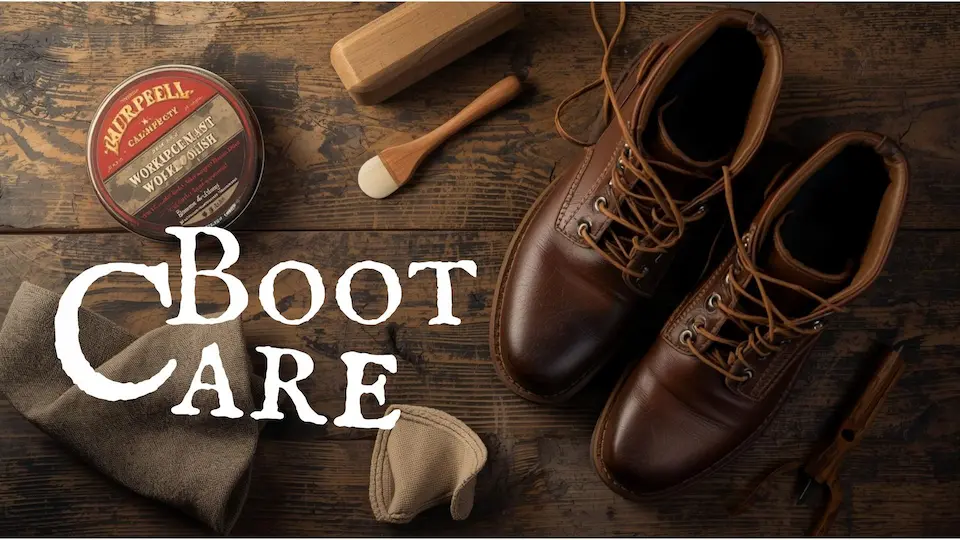
Care Guide: Built for workers trying to get more life out of expensive boots without wrecking the leather, damaging waterproof membranes, or waiting too long to fix small problems.
Skip to quick answerProper work boot care and maintenance can add months, and sometimes years, to the life of your boots. This guide covers the full system: daily care, weekly cleaning, safe drying, waterproofing, leather conditioning, odor control, repair timing, and when replacement makes more sense than another fix.
If any of the care terms on this page feel too technical, our work boot glossary explains common phrases like welt, heel counter, slip resistance, re-sole, and toe cap in plain English.
If you’re still deciding what kind of safety boot construction or protection level you’re maintaining, our guide to choosing between safety boots explains how different builds affect care needs, lifespan, and repair options.
Why Trust This Guide
- Built around real failure points like moisture damage, midsole compression, cracked leather, sole separation, and uneven heel wear.
- Separates full-grain leather, membrane boots, wedge soles, and other builds that need different care.
- Links out to specialized guides only where they naturally solve the next problem.
- Updated to support both daily maintenance and long-term replacement decisions.
What Is the Best Way to Maintain Work Boots?
Quick Answer
The best way to maintain work boots is to remove dirt often, dry them slowly after wet shifts, condition leather before it cracks, reapply waterproofing before water starts soaking in, and fix small wear issues before they become structural failures. Most boots die early from neglect, trapped moisture, heat damage, and delayed repairs, not from one hard week alone.
- Brush dirt off regularly
- Dry slowly away from direct heat
- Condition leather before it stiffens
- Repair small issues early
Start Here by Problem
Pick the issue that matches your boots right now and jump straight to the fix.
Boots are dirty
Brush off surface grit, clear the tread, and clean seams before dirt starts grinding the boot down.
Go to CleaningBoots are wet
Open them up, remove the insoles, and dry them slowly before heat damages leather or weakens adhesives.
Go to DryingLeather feels stiff
Add controlled moisture back into the leather before it starts cracking or feeling board stiff at flex points.
Go to ConditioningBoots leak now
Work out whether the problem is worn off water protection or a boot that is already failing structurally.
Go to WaterproofingInside smells bad
Focus on damp insoles, trapped sweat, and inside drying habits instead of covering the odor up.
Go to Inside CareNot sure if they’re done
Check tread, heel wear, cushioning, cracking, and sole separation before spending more time or money on them.
Go to Repair or Replace60-Second Boot Care Check
A quick after-shift routine that prevents most early wear problems.
- Wet today? Remove insoles and let boots dry slowly away from heat.
- Dusty or muddy? Brush the outsole, welt, and seams before storing.
- Leather looks dull? Add light conditioner before stiffness starts.
- Water not beading? Reapply waterproofing early, not after soaking begins.
- Heel wearing unevenly? Catch it before stance starts shifting.
- Smell building inside? Dry interiors instead of masking odor.
Essential Work Boot Care Kit
- Soft brush and stiff outsole brush for uppers, seams, and tread cleaning.
- Leather-safe cleaner for removing dirt without drying the upper out.
- Microfiber cloths for wiping, buffing, and controlled product application.
- Leather conditioner for full-grain and oil-tanned uppers.
- Waterproofing product matched to the boot material such as wax, cream, or membrane-safe spray.
- Newspaper, shoe trees, or boot forms for safe shape support while drying.
- Low-heat boot dryer if your boots get wet often.
- Optional: seam sealer, polish, edge dressing, replacement insoles, and laces.
If repeated wet shifts are part of your life, our guide to boot dryers for work boots helps you choose a safer drying method than guessing with room heaters or sun exposure.
Daily and Weekly Work Boot Care
| When | What to Do | Why It Matters |
|---|---|---|
| After wet shifts | Remove insoles, open the boot up, and dry slowly | Prevents odor, leather damage, and adhesive breakdown |
| After muddy or dusty work | Brush the upper, welt, and outsole | Keeps traction and prevents dirt from grinding into seams |
| Weekly | Inspect heel wear, tread depth, and stitching | Catches small repair issues early |
| Monthly | Condition leather and check water resistance | Prevents cracking and keeps surface protection alive |
How to Clean Work Boots Properly
Cleaning is the first maintenance job because dirt, mud, salt, and slurry shorten boot life fast. They grind into stitching, kill outsole traction, and block waterproofing from bonding properly later.
- Remove laces and insoles.
- Dry-brush loose dirt off first.
- Wipe with a damp cloth and mild cleaner. Do not soak the upper.
- Clean the welt, tongue, and outsole carefully.
- Let the boots dry before conditioning or waterproofing.
If you want the full cleaning workflow, including household-item options and deeper leather cleaning, use our dedicated guide on how to clean work boots.
How to Dry Work Boots Without Damaging Them
Wet boots need airflow and patience. High heat dries them faster, but it also shortens their life.
Bad drying habits kill boots early. Direct heat dries leather too aggressively, weakens adhesives, and can shorten the life of direct-attach or cemented soles.
Do This
Avoid This
If your boots regularly come home soaked or damp inside, see our full guide to drying work boots safely with a boot dryer.
Waterproofing: Match the Product to the Boot
The right treatment depends on the material. One product does not suit every work boot.
Full-grain leather, membrane-lined boots, nubuck, and suede all respond differently. Match the product to the material or you can reduce breathability, darken the upper badly, or get poor water resistance.
Full-Grain or Oiled Leather
- Clean the upper first
- Let it dry to the touch
- Apply a thin wax or cream evenly
- Buff lightly after it absorbs
Best for: traditional leather work boots that need surface protection and conditioning support.
Membrane Boots
- Use a membrane-safe cleaner
- Apply a breathable spray reproofer
- Avoid heavy waxes that reduce breathability
Best for: waterproof work boots that rely on breathable liners and lighter reproofing products.
Nubuck or Suede
- Brush the surface first
- Use a nubuck- or suede-safe spray
- Restore texture with a brush after drying
Best for: softer textured uppers that need water resistance without flattening the finish.
If you need the full step by step version by material type, use our guide on how to waterproof work boots.
Conditioning Leather Without Overdoing It
Leather needs moisture back at the right time. Too much product is just as unhelpful as none at all.
Conditioning keeps leather from drying out, stiffening, and cracking at flex points. The mistake is thinking more product always means better care. Heavy buildup can oversoften the upper, reduce support, and leave the boots feeling greasy without actually improving long-term durability.
Simple Conditioning Method
- Test first on a hidden area in case the product darkens the leather.
- Apply only a thin coat to dry, clean leather.
- Focus on flex points and seams where drying usually shows up first.
- Let it absorb properly before adding anything else.
- Buff lightly so the finish does not stay sticky or overloaded.
Watch Out
If your boot has a waterproof membrane, use membrane-friendly care products. Heavy oils and grease can reduce breathability and make the inside feel damper over time.
Inside Care, Odor Control, and Sweat Management
Outer care keeps the boot looking decent. Inside care is what keeps it wearable. Sweat, damp insoles, trapped odor, and bacteria are what make a lot of boots feel “worn out” long before the upper actually fails.
- Remove and dry insoles separately.
- Rotate pairs when possible.
- Use moisture-wicking socks.
- Replace tired insoles regularly, especially on concrete-heavy jobs.
- Use light deodorizing methods like baking soda overnight when needed.
If odor and internal sweat buildup are already a real problem, use our guide on how to wash smelly work boots instead of just spraying over the issue.
If heat and moisture are a constant problem in your workday, our guide to work boots for sweaty feet is a useful companion when deciding what kind of boot is easier to maintain in the first place.
Care Differences by Construction Type
| Construction | Re-soleable? | Drying Sensitivity | Main Care Focus |
|---|---|---|---|
| Goodyear Welt | Usually yes | Moderate | Protect welt stitching and re-sole before upper damage spreads |
| Direct Attach | Rarely | High | Avoid heat and protect the sole bond |
| Cemented | Usually no | High | Dry carefully and watch for early separation |
If you are unsure what kind of safety boot construction you are working with, our guide to types of safety boots helps explain the broader categories and what they mean in practice.
Common Work Boot Care Mistakes That Kill Boots Early
Most boots do not die from one brutal week. They wear out faster because the same avoidable mistakes keep repeating.
These are the habits that quietly shorten boot life, flatten comfort, and turn small maintenance issues into bigger repair bills. If your boots never seem to last as long as they should, one of these is usually part of the reason.
Over Conditioning Leather
Too much oil, grease, or conditioner can oversoften the upper and weaken support around flex points, heel structure, and high stress areas.
Using Direct Heat
Radiators, heaters, stoves, and harsh sunlight dry leather too aggressively and can weaken adhesives faster than most people realize.
Using the Wrong Waterproofing Product
Heavy waxes and grease on membrane boots can reduce breathability, trap moisture inside, and leave the boots feeling wetter in use.
Ignoring Heel Wear
Uneven heel wear changes stance, comfort, and how the boot lands under load. It is cheaper to deal with early than after alignment gets worse.
Waiting Too Long to Repair
Small stitching failures, loose soles, worn heel blocks, and minor leaks are much easier to fix before they become full structural problems.
Storing Boots Damp
Putting boots away while moisture is still trapped inside speeds up odor, lining wear, leather stress, and internal breakdown between shifts.
Why Work Boots Fail Early
Most early failure comes from repeated stress patterns rather than one hard shift.
Moisture Damage
Repeated wet use without proper drying weakens adhesives, stresses leather, and breaks the boot down from the inside out.
Midsole Compression
Concrete and warehouse floors flatten cushioning long before the upper looks finished.
No Recovery Time
Wearing the same pair every day prevents lining foam and insoles from drying and rebounding properly.
Neglected Outsole Wear
Packed tread and uneven heel wear reduce traction and slowly change how the boot supports your stance.
Wrong Care Products
Heavy grease or incompatible waterproofing can shorten boot life almost as fast as neglect.
Delayed Repairs
Minor leaks and stitching damage spread quickly once structural integrity begins weakening.
If your newer boots feel stiff or uncomfortable rather than structurally worn, our guides on how to break in work boots and how to stretch work boots help separate early fit problems from real maintenance failures.
Repair or Replace?
Some boots are worth fixing. Others are already past the point where more money or effort makes sense.
The right call depends on structure, not just appearance. A boot can look rough and still be worth repairing. It can also look decent on top while the cushioning, sole bond, or internal support is already finished.
Repair If
- Tread is worn but the upper is still sound
- Heel blocks are worn but the structure is intact
- Eyelets, stitching, or seams need minor work
- Leaks are small and clearly repairable
- The boot still feels supportive underfoot
Replace If
- The toe cap is deforming or showing through
- The midsole feels dead even after insole replacement
- Leather is cracked deeply at flex points
- The outsole is separating at the midfoot or heel
- Heel wear is badly shifting your stance
- Leaks persist after proper cleaning and waterproofing
If replacement is the smarter move, our guide to the best place to buy work boots can help you avoid repeating the same fit or quality mistakes next time.
Simple Work Boot Care Schedule
| When | What to Do | Why It Helps |
|---|---|---|
| Daily | Brush off dirt, remove insoles, air dry if needed | Prevents odor, grit damage, and moisture buildup |
| Weekly | Clean uppers and outsoles, inspect seams and heel wear | Catches small issues before they spread |
| Monthly | Condition leather and check waterproofing | Keeps leather healthy and surface protection active |
| Seasonally | Deep clean, full reproof, tread and midsole assessment | Extends lifespan and improves replacement timing |
Work Boot Care FAQ
How often should I condition leather work boots?
Light use usually needs conditioning every 2 to 3 months. Daily heavy use often needs it about monthly, depending on how dry the leather looks and feels.
Can I use heavy grease on waterproof membrane boots?
Usually no. Heavy grease can reduce breathability. Use membrane-safe sprays and lighter compatible products instead.
Is a boot dryer safe?
Yes, if it uses low heat or gentle airflow. High direct heat is what damages leather and adhesives.
How can I make my work boots last longer?
Clean them regularly, dry them properly, condition leather before it cracks, fix small issues early, and rotate pairs when possible.
Should I repair or replace worn work boots?
Repair them if the upper and structure are still solid. Replace them if cushioning is dead, the outsole is separating badly, or the upper has deep cracks and structural damage.