
How to wash work boots — safe ways to clean leather, synthetic, and waterproof boots, remove odor, and wash the inside without damaging the upper, lining, or adhesives.
Evaluated for odor removal, material-safe washing, insole cleaning, moisture control, and safe drying after sweaty, dirty, or wet jobsite use.
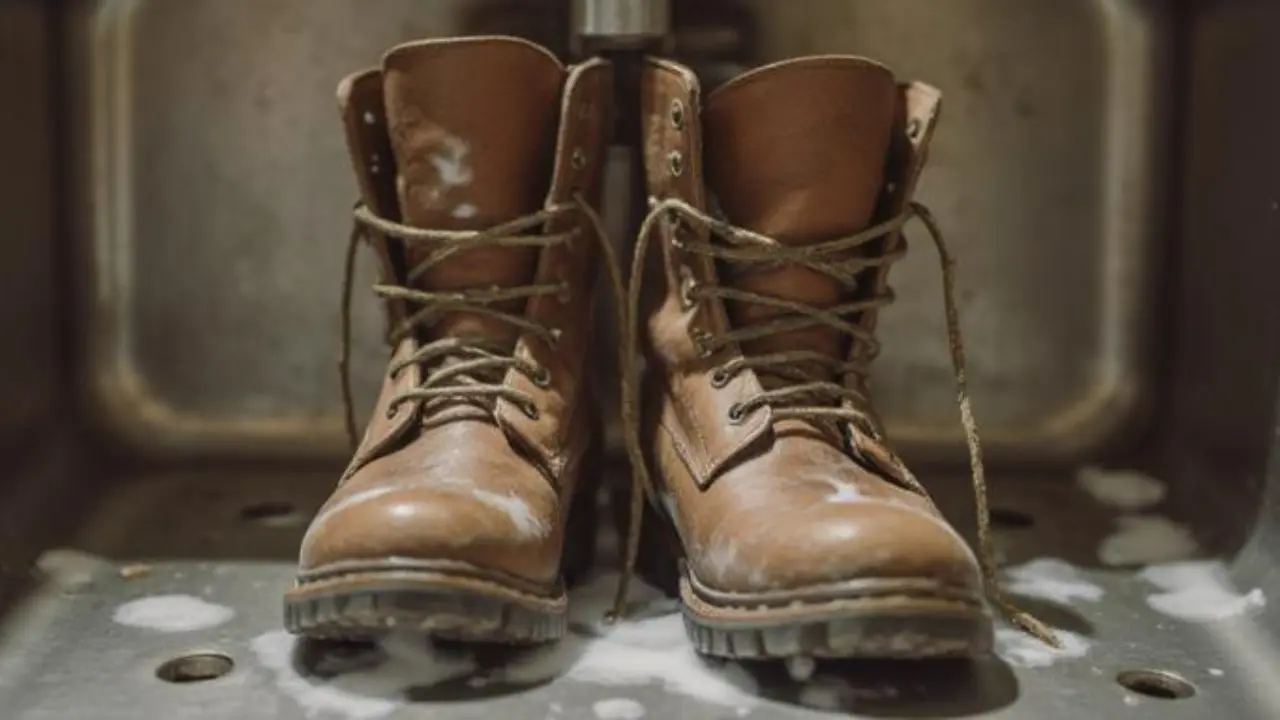
Wash Guide: Built for workers trying to clean sweaty, smelly, dirty boots without ruining leather, waterproof linings, or glued construction.
Skip to quick answerIf your boots smell rough even after airing out, or the inside feels grimy after long hot shifts, it may be time to wash your work boots, not just wipe them down. This guide explains how to wash work boots safely, how to remove odor from the lining and insoles, and how to dry everything properly so the smell does not come straight back.
If your problem is mostly mud, concrete dust, or heavy dirt on the outside, start with our guide on how to clean work boots. This page focuses more on deeper washing, odor control, and inside-the-boot care.
If your boots started making noise after a deep wash or after drying unevenly, the problem is often trapped moisture or internal friction rather than dirt itself. This guide shows how to fix squeaky work boots without making the outsole slippery or over-treating the leather.
Why Trust This Guide
- Covers leather, synthetic, and waterproof boots separately where needed.
- Built around real boot-washing questions: odor, sweaty insides, bacteria, damp linings, and safe drying.
- Keeps washing advice separate from general cleaning and waterproofing so the page stays focused.
- Updated twice per year to keep care advice current.
What Is the Best Way to Wash Work Boots?
Quick Answer
The best way to wash work boots is to remove the insoles and laces, clean the inside and outside separately, use mild soap with minimal water, and then dry the boots slowly with plenty of airflow. Leather boots need gentler washing and conditioning afterward, while synthetic and waterproof boots usually need careful inside cleaning without soaking the lining or membrane.
- Remove insoles and laces first
- Wash inside and outside separately
- Use mild soap, not harsh chemicals
- Dry fully before wearing again
Why Work Boots Start to Smell
Work boots usually smell because heat, sweat, dead skin, and trapped moisture create the perfect environment for bacteria. Sweat itself is not the real problem. The smell comes from bacteria feeding on moisture and skin buildup inside the lining, in the insole, and around the toe box.
Smell gets worse when boots stay damp between shifts, when insoles never fully dry out, or when the lining traps heat all day. Long warehouse routes, hot construction days, insulated boots, waterproof liners, and non-breathable materials can all make the problem worse.
When to Wash Boots and When to Just Clean Them
| Problem | Best Response | Why |
|---|---|---|
| Mud, dust, dried grime on the outside | Clean them | Surface dirt usually does not require a full wash |
| Strong odor inside the boot | Wash them | The lining, insole, and inside moisture need attention |
| Sweaty insoles and damp interior | Wash them | Airing out alone usually is not enough |
| Salt, grease, or stubborn surface marks | Clean first, then spot-wash if needed | A full wash is not always the best first move |
| Cracked lining, damaged insoles, worn-out smell that returns immediately | Replace insoles or consider replacement | Washing cannot fix worn-out internal materials |
How to Wash Work Boots Step by Step
- Remove the laces and insoles. This opens the boot up and lets you clean the inside properly.
- Brush off loose dirt first. Remove mud, dust, and debris before adding water.
- Mix mild soap with warm water. Use only a small amount so you do not leave a heavy residue behind.
- Clean the outside with a cloth or soft brush. Do not soak the upper.
- Wipe the inside carefully. Use a damp cloth to clean the lining and toe box without flooding the interior.
- Wash the insoles separately. Insoles often hold the worst smell and need their own wash and dry time.
- Rinse lightly if needed. A clean damp cloth is usually enough to remove soap residue.
- Dry slowly and fully. Open the boots up and let them dry with airflow, never direct heat.
How to Wash Leather Work Boots Safely
Leather work boots need more care than fabric or synthetic models. You can wash them, but you should use as little water as possible and never soak the leather. Too much water strips oils, stiffens the upper, and raises the risk of cracking later.
- Brush off dirt first. Dry dirt should come off before you introduce moisture.
- Use a damp cloth with mild soap. Wipe gently instead of scrubbing aggressively.
- Clean seams and flex points carefully. That is where grime collects fastest.
- Wipe away residue with a clean damp cloth.
- Air dry fully. Keep leather away from heaters, radiators, and clothes dryers.
- Condition after drying. Leather usually needs conditioner after washing so it does not dry out.
After washing leather boots, it often makes sense to follow up with our guide on how to waterproof work boots, especially if the surface no longer beads water.
How to Wash Synthetic or Fabric Work Boots
Synthetic and fabric work boots usually tolerate washing a little better than leather, but they still should not be saturated carelessly. The goal is to wash sweat, grime, and odor out without trapping moisture in the padding or lining.
- Remove insoles and laces.
- Brush off loose dirt.
- Use mild soapy water with a cloth or soft brush.
- Wipe the lining and inside walls carefully.
- Rinse lightly with a clean damp cloth.
- Dry with good airflow and patience.
How to Wash Waterproof Boots Without Damaging Them
Waterproof boots need an especially gentle approach because soaking them can stress the lining, membrane, or seam construction. Clean the outside with a damp cloth or soft brush, wash the inside carefully without flooding the boot, and dry them slowly afterward.
If your waterproof boots no longer repel water well after repeated use, compare our guide to the best waterproof work boots and our full work boot waterproofing guide to restore protection after washing.
How to Get the Smell Out of Work Boots
If odor is the main problem, washing the lining and insoles is usually more effective than only spraying deodorizer into the boot. Odor control works best when you combine washing, full drying, and moisture control between shifts.
- Wash or replace the insoles. Insoles often hold the deepest smell.
- Use baking soda overnight. It helps absorb moisture and stale odor between wears.
- Wipe the inside with rubbing alcohol carefully. This can help reduce bacteria, but do not overdo it.
- Rotate your boots. A second pair helps each pair dry fully.
- Wear moisture-wicking socks. The wrong socks trap sweat and restart the whole cycle.
How to Wash Insoles and Laces
| Part | Best Washing Method | Important Note |
|---|---|---|
| Insoles | Hand wash with mild soap and warm water | Dry fully before putting them back in |
| Laces | Hand wash or soak briefly in soapy water | Replace if stiff, frayed, or permanently grimy |
| Inside lining | Wipe with damp cloth and mild soap | Do not flood the interior |
How to Dry Work Boots After Washing
Drying matters as much as washing. If you wash boots and then leave moisture trapped inside, the smell usually comes back fast. Damp interiors also wear linings out faster and can make boots uncomfortable the next day.
- Remove insoles and loosen the tongue.
- Use a low-heat or no-heat method. A proper boot dryer is the safest option for frequent use.
- Use newspaper or dry towels as a short-term absorber.
- Never use a clothes dryer.
- Do not wear the boots again until the inside is fully dry.
What Not to Do When Washing Work Boots
- Do not put most work boots in a washing machine. It can damage structure, adhesives, and shape.
- Do not put them in a clothes dryer. Heat can crack leather and weaken glue.
- Do not soak leather boots. Leather responds better to controlled wiping than immersion.
- Do not rely only on deodorizer spray. If the boot interior is still dirty and damp, the smell will return.
- Do not ignore the insoles. They are often the main source of persistent odor.
When Washing Is Not Enough
Sometimes the smell is no longer just surface bacteria. If the insoles are breaking down, the lining stays damp for too long, or odor returns immediately after washing, it may be time to replace the insoles or the boots themselves.
Workers doing long hot shifts on concrete or in non-breathable waterproof boots often benefit from changing socks mid-day, rotating pairs, and switching to more breathable models when possible. If heat and sweat are the real issue, compare our picks for the most breathable steel toe work boots or work boots for sweaty feet.
If the smell keeps returning even after washing and drying, tired insoles may be part of the problem. Replacing them with better insoles for safety shoes can help with moisture control, comfort, and day-to-day freshness.
- Washing removes grime and odor, but it does not restore worn tread or damaged safety protection.
- Do not scrub internal linings so aggressively that you damage waterproof membranes or padding.
- Replace boots with failing structure instead of repeatedly trying to wash around the problem.
If you are unsure what safety labels like ASTM F2413 or EH mean for replacement decisions, see our guide to work boot safety standards.
Related Guides
- How to Clean Work Boots
- How to Waterproof Work Boots
- Best Boot Dryers
- Best Work Boots for Sweaty Feet
- Most Breathable Steel Toe Work Boots
- Work Boot Care and Maintenance
FAQ — Washing Work Boots
Can I wash work boots with soap and water?
Yes, but use mild soap and controlled moisture. Most work boots should be hand washed rather than soaked or machine washed.
Can I put work boots in the washing machine?
Usually no. Most leather, safety-toe, and glued-construction work boots are safer to wash by hand.
Can I put work boots in the dryer?
No. Direct heat and clothes dryers can damage leather, adhesives, liners, and overall shape.
How do I get the smell out of work boots?
Wash the inside carefully, wash or replace the insoles, dry everything fully, and use moisture control methods like baking soda or boot rotation between shifts.
How often should I wash work boots?
Only as needed. If odor, sweat buildup, or interior grime are the problem, wash them. For general outside dirt, regular cleaning is usually enough.
How do I wash leather work boots safely?
Brush off dirt first, wipe with mild soapy water using a damp cloth, avoid soaking the leather, then dry naturally and condition afterward.
Should I remove insoles before washing work boots?
Yes. Insoles usually hold the most moisture and odor, so removing and washing them separately gives better results.
Final Verdict
The best way to wash work boots is to remove the insoles and laces, clean the upper and lining carefully with mild soap, and dry everything slowly with plenty of airflow. Leather needs the gentlest handling, synthetic boots need controlled moisture, and odor problems usually require more attention inside the boot than outside it.
If you stay on top of washing, drying, sock choice, and insole care, you can keep boots fresher for much longer. But once the internal materials break down or the smell returns immediately after washing, it is usually a sign that the boot or insole is reaching the end of its useful life.
About the Author & Testing
Compiled by The Foot Facts using practical wear-and-care logic from sweaty, dirty, wet, and odor-prone work environments. We focus on inside-the-boot moisture, lining hygiene, insole buildup, material-safe washing, and safe drying after long shifts.
The goal is simple: help workers wash boots without ruining them, reduce odor properly, and know when deeper washing will help versus when the boot is simply too worn inside to stay fresh.