
Best work boots for flat feet — structured arch support, stable heels, shock absorption, and orthotic-friendly fit for concrete, construction, warehouse, and long-shift work.
Evaluated for arch support, heel stability, overpronation control, concrete comfort, removable insoles, width options, and long-shift fatigue.
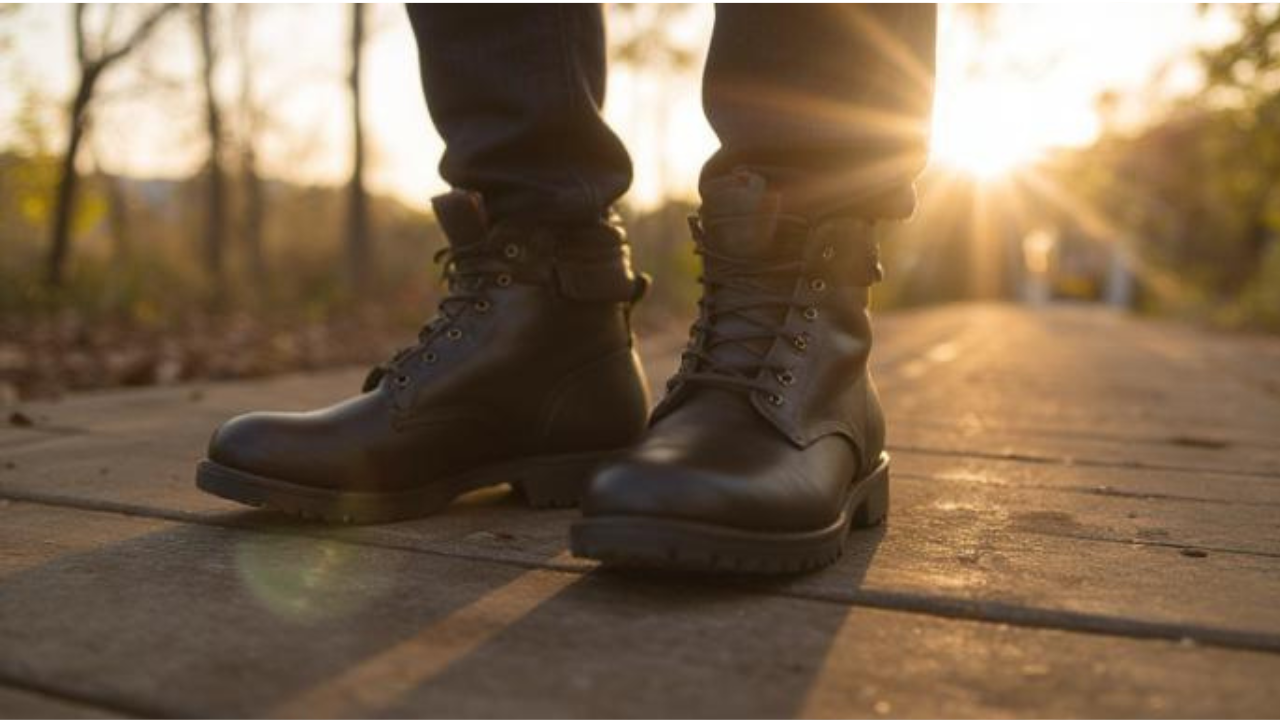
Support-Tested: Picks chosen for flat arches, overpronation control, heel stability, and long-shift comfort on concrete.
Skip to #1 pick — WolverineFlat feet need structure, not just softness. The best work boots for flat feet help control inward roll, stabilize the heel, support the arch, and reduce fatigue during long shifts on concrete, shop floors, gravel, and jobsite surfaces.
Many workers with flat feet notice discomfort increasing as the shift goes on. Without enough arch structure, the foot can collapse inward, which can increase strain through the ankles, knees, hips, and lower back.
Why Trust This Guide
- Evaluated using arch support, heel stability, midsole structure, and overpronation-control criteria.
- Focuses on boots suitable for flat feet, wide feet, concrete work, warehouse shifts, and safety-toe environments.
- Includes orthotic-friendly models with removable insoles and stable heel counters.
- Updated twice per year to reflect product changes, fit feedback, and long-shift comfort data.
What Are the Best Work Boots for Flat Feet in 2026?
Quick Answer
The best work boots for flat feet combine firm arch support, a stable heel counter, shock absorption, and enough interior volume for orthotics. For most workers, Wolverine Overpass is the best overall pick because it balances support, flexibility, composite-toe protection, and removable insole compatibility.
- Best overall: Wolverine Overpass
- Best pain relief: Orthofeet Granite
- Best industrial boot: Carhartt CMF6366
- Best value platform: Timberland PRO Pit Boss
- Best outdoor boot: KEEN Utility Flint
Flat Feet 101
What to Prioritize in Work Boots
- Structured midsoles: firmer foam or shanks reduce mid-foot collapse on concrete.
- Arch support: built-in footbeds help, but removable insoles let you run custom orthotics.
- Heel control: a snug heel counter limits over-pronation and knee stress.
- Roomy forefoot: a wide toe box prevents splay pain; consider Wide/EE if needed.
- Surface match: wedge soles = smooth, stable on concrete; lugs = bite on gravel/dirt.
Overpronation can increase knee load, so consider boots that reduce knee strain on hard surfaces if discomfort is traveling upward.
Some workers do not have true flat-foot pain but still struggle to find safety footwear that feels good through a full shift. If your main goal is broad all-day wearability rather than foot-type-specific support, see our guide to comfortable steel toe safety shoes, which compares cushioned and supportive options for concrete, warehouse, and active jobsite use.
Quick Test: Do You Have Flat Feet or Overpronation?
- Wet Foot Test: Step onto cardboard with a wet foot. If you see a full footprint with little inward curve, you likely have low arches.
- Shoe Wear Check: Heavy inner heel wear usually signals overpronation.
- Midday Collapse: If arches ache after 4–6 hours on concrete, your current boots lack structure.
If these signs match your experience, prioritize firmer midsoles and orthotic-ready footbeds over soft foam cushioning.
Workers with flat feet often need more than just a comfortable boot upper. The right insert can improve support inside steel toe footwear and reduce strain through the arch and heel. See our guide to inserts for steel toe boots for work-ready insole options.
What Makes a Work Boot Support Flat Feet Properly?
The best work boots for flat feet focus on structure rather than softness. Supportive midsoles help control inward roll (overpronation), stabilize the heel, and prevent midfoot collapse during long shifts on concrete and jobsite surfaces.
Many workers choose ultra-soft cushioning first, but soft foam compresses quickly under load. Over a full shift, firmer arch structure usually reduces fatigue more effectively than extra padding.
If your discomfort is centered in the heel rather than the arch, you may benefit more from footwear designed specifically for fascia support. See our guide to work boots for plantar fasciitis and heel pain.
If pressure sensitivity or circulation concerns affect your boot choice, models built to reduce friction and compression may help more than standard support-focused designs. Our guide to diabetic safety toe work boots explains those options.
Match Job Scenario to Support Features
| Scenario | Prioritize | Toe / PPE | Good Matches |
|---|---|---|---|
| All-day concrete (warehouse/fab) | Wedge or flatter sole, firm arch posting, shock absorption | CT/ST if required | Carhartt CMF6366, Pit Boss |
| Mixed terrain (yard/outdoors) | Lug traction + breathable liner, arch cradle footbed | ST/CT per site | KEEN Flint |
| Long shifts with orthotics | Removable insole, roomy volume, stable heel counter | CT preferred for weight | Wolverine Overpass |
| Chronic pain (PF/arthritis) | Premium orthotic insole, rocker profile, wide toe box | Soft toe OK if PPE allows | Orthofeet Granite |
Best Boots for Flat Feet and Overpronation on Concrete
Flat feet and overpronation go hand in hand. When working on concrete, that inward roll becomes more aggressive because hard floors offer zero give. The best boots for flat feet and overpronation use firmer midsoles, medial arch posting, and stable heel counters to control collapse.
If you work primarily on hard floors, choose models labeled for concrete, warehouse, or industrial use. The best work boots for flat feet on concrete combine shock absorption with structural arch support — not just padding.
- Wolverine Overpass: composite-toe, orthotic-friendly support on concrete
- Orthofeet Granite: pain-relief first for sensitive flat arches
- Carhartt CMF6366: supportive chassis for industrial shifts
- Pit Boss: stable welted platform when soft-toe is fine
- KEEN Flint: arch cradle + breathability outdoors
Steel Toe & Composite Safety Boots for Flat Feet
Many specifically search for steel toe shoes for flat feet or safety boots for flat feet. The key difference is weight and fatigue. Steel toes add protection but also increase front-end load. Composite toe shoes for flat feet reduce weight and often feel easier on long shifts.
The most comfortable work boots for flat feet balance three things: arch structure, heel stability, and proper width. People with wide flat feet should prioritize EE or Wide options to prevent toe compression and lateral pressure.
If you have wide flat feet, always check that the boot offers removable insoles and adequate forefoot volume. A secure heel with a roomy toe box prevents both pronation fatigue and nerve compression.
What to Avoid if You Have Flat Feet
Not every comfortable-feeling boot actually supports flat arches over a full shift. These common features often make overpronation worse or reduce long-term stability on concrete and jobsite surfaces.
- Ultra-soft midsoles: feel good short-term but collapse under load during long standing shifts.
- Narrow toe boxes: increase forefoot compression and restrict natural splay in wide flat feet.
- Zero-structure athletic boots: lack arch posting and heel control needed for stability.
- Non-removable insoles: prevent proper orthotic upgrades when additional support is needed.
If one of these issues matches your current boots, the sections below explain which support features work best for your job and foot condition.
Flat Feet Advice by Trade & Work Conditions
Different jobs stress flat feet in different ways. Match the boot structure to your surface, movement pattern, and support needs before choosing a pair.
- Concrete & warehouse shifts: hard floors increase arch collapse and heel fatigue. See our boots for standing on concrete floors guide for wedge soles and fatigue-reducing midsoles.
- Lineman and pole climbing work: flat feet need strong midfoot rigidity when climbing. Our lineman work boots guide explains why shank support matters on hooks and ladders.
- Carpentry and jobsite movement: kneeling, framing, ladder work, and subfloor movement need stable but flexible support. See our guide to work boots for carpenters.
- Heel pain or plantar fasciitis: flat feet can overload the plantar fascia. Start with our work boots for plantar fasciitis guide if heel pain is the main issue.
- Knee or lower-back strain: overpronation can travel upward through the knees, hips, and back. Our guide to work boots for back pain covers support choices for that chain reaction.
- Boots feel close but still tight: wide flat feet often need more forefoot volume. Use our work boot stretching guide only when the boot is nearly right, not structurally wrong.
Comparison Table
Best Work Boots for Flat Feet
Use this table to compare the best work boots for flat feet by support structure, heel stability, safety toe type, and best job fit before reading the full reviews below.
| Boot | Why it’s good | Best For | Price |
|---|---|---|---|
| Best Overall Wolverine Overpass | ContourWelt® flex + athletic fit; waterproof; orthotic-friendly removable insole. | Construction on concrete; long shifts needing support + mobility. | |
| Best Pain Relief Orthofeet Granite | Podiatrist-designed orthotic insole, wide toe box, cushioned sole for pain relief. | Flat feet with chronic pain; light-duty shops/inspection roles. | |
| Best Industrial Carhartt CMF6366 | Rugged Flex® + cushioned midsole; composite toe without the weight. | Industrial/warehouse; fabrication and mechanical work. | |
| Best Value Timberland PRO Pit Boss | Comfort Suspension™ reduces fatigue; Goodyear welt for longevity. | General labor/shops when no toe cap is required. | |
| Best Outdoor KEEN Utility Flint | Metatomical footbed (arch cradle) + breathable liner; roomy asymmetrical toe. | Outdoor/landscaping, mixed terrain, warm weather. |
Note: All models listed above feature removable insoles, making them suitable for custom orthotics or firmer posted support inserts if additional arch control is needed.
Some people with flat feet improve comfort by pairing supportive footwear with supportive inserts for work boots. Inserts can help stabilize the foot inside safety boots and reduce fatigue during long standing shifts.
Workers with flat feet often need more than arch support alone. Forefoot shape matters too. If cramped safety caps are part of the problem, these steel toe shoes with wider toe boxes are worth looking at for a roomier, more natural fit.
Support Score Summary:
- Best arch structure: Orthofeet Granite
- Best heel stability: Wolverine Overpass
- Best balance (support + durability): Carhartt CMF6366
- Best value platform: Timberland PRO Pit Boss
Full Reviews Below: Use the comparison table above for a quick shortlist, then read the full reviews below for arch support feel, heel stability, fit notes, orthotic compatibility, and where each boot works best for flat feet.
Wolverine Overpass 6″ Composite Toe — Best Overall for Flat Feet on Concrete
TFF Rating:
Best For: construction and maintenance crews who need support + flexibility on hard floors.
ContourWelt® flex and an athletic fit move with your stride while the composite toe keeps weight down. Waterproof leather and a removable insole make it easy to run your own orthotics without fighting the footbed.
Field notes: “Concrete days felt easier on the arches. Stock insole is fine, but a firmer posted insert stopped the mid-day collapse.”
Key Features:
- Composite toe (ASTM F2413)
- Waterproof full-grain leather
- ContourWelt® flexible construction
- Slip/oil/abrasion-resistant outsole
- Removable, orthotic-friendly insole
Pros
- Structured midsole supports flat arches
- Flexible forefoot eases gait
- Light for a safety-toe boot
Cons
- Runs a touch small for some
- Stock laces are basic
- All-day concrete: swap to a firmer support insole if arches collapse by hour 6–8.
- Hot days: waterproof liners run warmer—air out between shifts.
Sizing & Fit: True-to-length but some go ½ size up; standard width fits most. Orthotics: remove stock insole for volume.
Best For (recap): concrete shifts needing support + flexibility, with room for orthotics.
Orthofeet Granite — Best Pain Relief & Orthotic-Level Support
TFF Rating:
Best For: flat feet with plantar fasciitis/arthritis or persistent heel/arch pain in lighter-duty roles.
Orthofeet’s podiatrist-designed insole and wide toe box reduce pressure hot-spots. Cushioning and a rocker-style profile help you roll through the step without stressing the midfoot.
Field notes: “Wide toe box killed the squeeze pain. Rocker sole helped roll through steps on long inspection routes.”
Key Features:
- Premium orthotic insole (removable)
- Pressure-free wide toe box
- Shock-absorbing ergonomic sole
- Soft leather upper; seam-free lining
Pros
- Excellent arch/heel support out of the box
- Comfort-first design for long days
- Great for sensitive feet
Cons
- Not ideal for rugged, muddy sites
- Pricey vs. typical work boots
- Heavy abrasion: leather scuffs faster than logger-grade boots.
- Safety requirements: soft toe—verify your site’s PPE rules.
Sizing & Fit: True-to-size with ample forefoot volume; multiple widths available make dialing fit easier for flat feet.
Best For (recap): chronic arch/heel pain in lighter-duty roles where soft toe is acceptable.
Carhartt CMF6366 Composite Toe — Best for Industrial Environments
TFF Rating:
Best For: fabrication, warehouse, and mechanical work needing a supportive chassis with toe protection.
Rugged Flex® moves with your step while the cushioned midsole and supportive platform keep your arches from collapsing under load. Composite toe cuts fatigue vs. steel.
Field notes: “Supportive platform without feeling stiff. Aftermarket posted insole made it a concrete marathon boot.”
Key Features:
- Composite toe (ASTM)
- Rugged Flex® construction
- Cushioned EVA midsole
- Oil/slip-resistant dual-density outsole
Pros
- Great comfort-to-durability ratio
- Natural flex helps flat-footed gait
- Orthotic-friendly footbed
Cons
- Water resistance is modest
- Insole may be upgraded for 12-hour shifts
- Wet sites: add a waterproofer/leather care routine.
- Heavy pronation: consider a posted (medial support) insole.
Sizing & Fit: True-to-size; moderate instep/heel hold. Works well with aftermarket support insoles.
Best For (recap): industrial/warehouse work needing CT protection with a supportive chassis.
Timberland PRO Pit Boss 6″ Soft Toe — Best Value for General Work
TFF Rating:
Best For: shops/warehouses without impact hazards where fatigue reduction matters most.
Comfort Suspension™ absorbs shock while the welted build keeps the platform stable under flat arches. Not waterproof and a bit heavier than some—tradeoffs for durability.
Field notes: “Stable heel counter tamed the inward roll. Heavier, but stance felt locked-in on shop floors.”
Key Features:
- Comfort Suspension™ anti-fatigue
- Goodyear welt construction
- Oil/slip/abrasion-resistant outsole
- Soft toe
Pros
- Stable platform helps over-pronation
- Durable welted build
- Great brand/service network
Cons
- Not waterproof
- Heavier than athletic hybrids
- Long concrete days: upgrade insoles for firmer arch posting.
- Wet work: add leather waterproofing or choose a waterproof model.
Sizing & Fit: True-to-size; standard instep. Wide sizes available for forefoot splay.
Best For (recap): soft-toe shop/warehouse days where a stable welted base beats ultralight feel.
KEEN Utility Flint Mid (Steel Toe) — Best for Outdoor Crews
TFF Rating:
Best For: landscaping/utility crews who want a metatomical arch cradle and breathable comfort.
KEEN’s metatomical footbed supports the arch and aligns your step, while the asymmetrical steel toe preserves toe room. Great in heat; lighter build than heavy industrial boots.
Field notes: “Breathes well in heat. Arch cradle noticeable on long walks; great toe room with orthotics.”
Key Features:
- Steel toe (ASTM)
- Metatomical arch footbed; removable
- Moisture-wicking liner
- Dual-density EVA midsole; slip-resistant outsole
Pros
- Arch-friendly last with roomy forefoot
- Breathes well in warm weather
- Lighter feel for miles on foot
Cons
- Not built for heavy slag/oilfield abuse
- Cushioning compresses faster for heavier users
- Rough concrete: rotate insoles to keep arch support fresh.
- Mud packs: brush lugs to maintain traction on smooth floors.
Sizing & Fit: True-to-length; generous toe box. Wide available. Works well with custom insoles.
Best For (recap): outdoor/light-duty routes in warm weather; miles on foot with arch cradle support.
Quick Picks (TL;DR)
- Best overall (support + flex): Wolverine Overpass
- Best pain relief (soft toe, lighter duty): Orthofeet Granite
- Best industrial: Carhartt CMF6366
- Best budget classic: Timberland PRO Pit Boss
- Best outdoor/heat: KEEN Utility Flint Mid
Care, Insoles & Sock Pairing for Flat Feet
- Refresh support insoles: replace work boot insoles every 3–6 months if you stand on concrete daily.
- Remove stock footbeds: pull factory insoles before adding orthotics to prevent heel lift and toe crowding.
- Use supportive socks: mid-weight merino or compression crew socks help reduce friction and improve heel hold.
- Match sock height to boot shaft: crew socks work for 6″ boots, while taller boots usually need over-the-calf socks to prevent shin rub.
- Rotate boots when possible: alternating pairs gives midsoles time to rebound between long shifts.
- Lock the heel: use lace-lock lacing if your heel slips or your foot rolls inward during the day.
Sock choice will not correct flat feet by itself, but it can reduce friction, improve heel hold, and make supportive boots feel better through long shifts. For moisture control and cushioning options, see our guide to the best socks for work boots.
Pro Tips for Flat Feet on the Job
- Insole swap: a posted (medial support) insole can tame over-pronation fast—see our best insoles guide.
- Heel slip fix: firmer heel grips or thicker socks at the Achilles help lock the rearfoot.
- Rotate pairs: alternating boots lets midsoles rebound for steadier arch support.
- Surface matters: wedge soles rock on concrete; choose lugs for gravel/dirt sites.
- Care: condition leather and keep tread clear—see our cleaning guide.
Scenario Picks — What to Wear When
| Scenario | Works Well? | Prioritize |
|---|---|---|
| All-day warehouse concrete | ✅ | Wedge/flat sole, firm arch insole → Overpass / CMF6366 |
| Light duty + pain relief | ✅ | Orthotic insole, rocker sole, wide toe → Granite |
| Outdoor heat/miles | ✅ | Arch cradle + breathability → Flint |
| Soft-toe shops | ✅ | Stable welt chassis → Pit Boss |
Safety & Standards
Match your site’s PPE requirements before choosing soft toe, steel toe, or composite toe variants. Verify ASTM F2413, toe protection, puncture resistance, and EH ratings on the exact boot model you buy. For official language, see OSHA Foot Protection Standard (29 CFR 1910.136).
- PPE first: confirm site rules before choosing soft toe, steel toe, or composite toe boots.
- Orthotics & volume: remove stock insoles before adding support inserts so the boot does not feel too tight.
- Heel lock: use a runner’s loop or lace-lock method to reduce rearfoot movement and pronation fatigue.
- Break-in check: return or exchange the boot if heel rub, toe pressure, or arch collapse continues after indoor testing.
Final Verdict
Best overall: Wolverine Overpass. Best pain relief: Orthofeet Granite. Best industrial: Carhartt CMF6366. Best budget classic: Timberland PRO Pit Boss. Best outdoor/heat: KEEN Utility Flint Mid.
FAQ — Work Boots for Flat Feet
What makes a work boot good for flat feet?
Structured midsoles, firm arch support, and a stable heel counter. Removable insoles let you add custom orthotics for extra posting.
Do I need orthotics if a boot has “arch support” already?
If your arches collapse by midday, a posted orthotic can add the medial support most factory insoles lack. Choose boots with removable footbeds.
Steel toe vs. composite toe—what’s easier on flat feet?
Composite toes are lighter and reduce fatigue; both must meet ASTM F2413. Pick based on site rules and weight tolerance.
What are the best work boots for wide flat feet?
The best work boots for wide flat feet combine firm arch support with EE or Wide sizing options. Look for removable insoles, structured midsoles, and stable heel counters to control pronation while allowing natural forefoot splay.
Best soles for standing on concrete all day?
Wedge or flatter profiles feel more stable on concrete. Pair with a firm support insole to curb over-pronation.
Will supportive boots help my knees or back?
Often yes. Better arch control can improve alignment up the chain (ankle → knee → hip), reducing joint stress over long shifts.
Are flat feet the same as plantar fasciitis?
No. Flat feet describe arch structure, while plantar fasciitis is inflammation of the plantar fascia. Many flat-footed workers experience heel pain, but the conditions are not identical. Supportive boots with firm midsoles and orthotic options can help both.
Should people with flat feet choose wide width boots?
Often yes. Flat feet typically mean a lower arch and increased forefoot splay. Choosing Wide or EE widths can reduce side pressure and prevent toe compression during long shifts. Always prioritize heel lock along with forefoot room.
How We Test — Arch Support & Stability Scoring
We test boots on polished concrete, dusty floors, and mixed outdoor surfaces, combining on-foot wear, spec checks, and verified user feedback from flat-footed crews. We evaluate arch support, midsole structure, heel hold, weight, and long-shift comfort across 8–12 hour days. We also assess midsole compression over repeated loading cycles to simulate extended concrete shifts where support breakdown is common.
| Model | Arch Support | Heel Hold | All-Day Comfort | Break-in | Weight |
|---|---|---|---|---|---|
| Wolverine Overpass | Very Good | Very Good | Very Good | Short | Light-Mod |
| Orthofeet Granite | Excellent | Good | Excellent | None | Light |
| Carhartt CMF6366 | Very Good | Very Good | Very Good | Short | Moderate |
| Timberland PRO Pit Boss | Good | Very Good | Good | Short | Heavier |
| KEEN Flint | Very Good | Good | Very Good | None | Light |
About the Author & Testing
Compiled by The Foot Facts with feedback from construction, warehouse, and field crews. We evaluate arch support, midsole structure, outsole slip on wet concrete and dust, and long-shift comfort. Fit notes blend spec sheets, user reports, and our wear-testing where noted.
At the end of the day, it’s not the logo on your heel that matters—it’s how your knees and lower back feel when you clock out on concrete. That’s the test every boot has to pass.