Best plumbing work boots built for wet basements, crawlspaces, trenching, and long service days — waterproof protection, non-slip grip, and ASTM safety toe options.
Evaluated for waterproofing, slip resistance, kneeling comfort, ASTM / EH safety in wet plumbing environments.
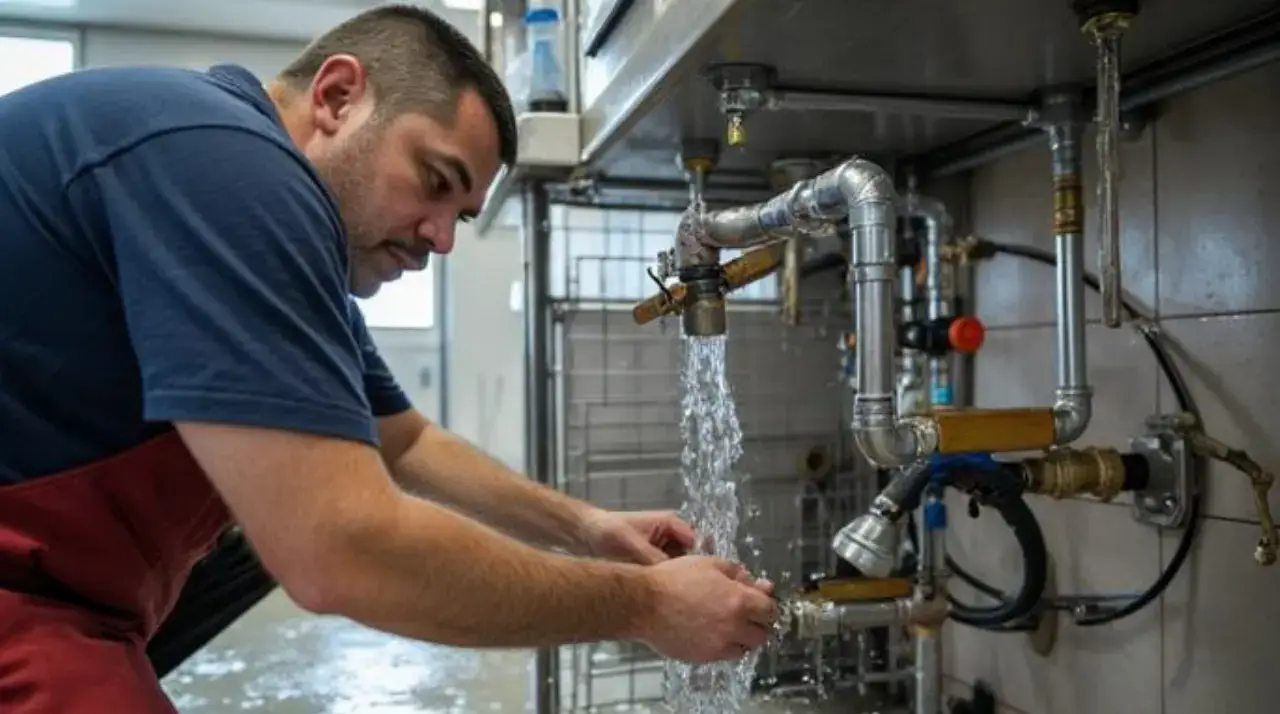
Plumber-Tested: These picks come straight from crews working in leaks, crawlspaces, and wet floors.
Skip to #1 pick — Irish SetterIf you’ve ever fished a wrench out of a flooded crawlspace, you know boots can make or break your day. The best plumbing work boots balance waterproofing, non-slip traction, and the right safety toe for wet floors, unexpected leaks, and dropped tools.
Below we shortlist the top waterproof, non-slip safety shoes for plumbers—from steel-toe workhorses to quick pull-ons and all-day wedge comfort. These are top-rated waterproof safety boots designed for wet basements, crawlspaces, and commercial plumbing environments.
Why Trust This Guide
- Evaluated using waterproofing, slip resistance, kneeling comfort, and long-shift wear criteria.
- Built around real plumber job scenarios including wet basements, crawlspaces, trenching, and service calls.
- Safety specifications checked against ASTM F2413 and EH requirements where relevant.
- Updated twice per year to reflect product changes and field-use feedback.
What Are the Best Plumbing Work Boots in 2026?
Quick Answer
The best plumbing work boots combine waterproof protection, slip-resistant rubber, and the right safety toe for wet floors, crawlspaces, and commercial installs. The strongest options for plumbers also balance kneeling comfort, easy entry, and enough grip for slick tile, smooth concrete, and standing water.
- Waterproof membranes and sealed seams
- Slip-resistant rubber with wet-floor grip
- ASTM F2413 toe protection where required
- Kneeling comfort for long service days
Built for Wet Basements, Crawlspaces & Standing Water
The best boots for wet basements use sealed waterproof membranes, slip-resistant rubber with siping for slick tile, and ASTM F2413 safety toes when required. For plumbers working in standing water or leak response situations, EH-rated waterproof steel or composite toe boots provide the safest and most reliable protection.
Plumbing work is different from general construction. You’re constantly moving between wet basements, tight crawlspaces, active leak response situations, and commercial installs where floors are slick and unpredictable. The best plumbing work boots aren’t just comfortable — they’re built for standing water, slick tile, trenching, and sewer exposure.
If you’re doing drain cleaning or sewer work, you need sealed waterproof membranes, slip-resistant rubber with siping, and often EH-rated protection for wet work environments. These boots are chosen specifically for plumbers working in moisture-heavy conditions, not just dry job sites.
Even waterproof-rated boots gradually lose surface protection after repeated exposure to leaks and wash-down environments. Periodically treating the upper helps restore water resistance and reduce moisture absorption during long service calls.
Best Boots by Plumbing Job Type
Residential service plumbers usually prioritize lightweight waterproof pull-ons, while commercial install crews often need ASTM-rated steel toe protection. Crawlspace specialists benefit most from flexible waterproof midsoles, and trenching crews need taller shafts with deeper outsole bite.
Plumbers working in wet conditions or moving between muddy exteriors and indoor jobs sometimes prefer pull-on steel toe Wellington boots because they are faster to remove, simpler to hose off, and better suited to messy site transitions than many lace-up boots.
Plumber Boot Basics — What Matters Most
- Waterproofing: membranes and sealed seams for crawlspaces, slab leaks, and rainy callouts.
- Slip resistance: soft slip-resistant rubber with siping designed for slick tile, wet basements, and standing water.
- Safety toe & EH: ASTM F2413 steel/alloy/composite + EH when required.
- Kneel-friendly comfort: cushioning + wedge soles to spread pressure while kneeling.
- Weight & entry: lighter builds and pull-on shafts speed up in/out of homes.
- Fit: locked heel, wiggle room up front; plan for thicker socks on cold, wet days.
For deeper breakdowns of traction compounds and siping patterns, see our guide to the best safety work shoes for concrete floors.
Below is our comparison of the best plumber boots and waterproof plumbing work boots for different job scenarios.
Plumbers working mostly on hard indoor surfaces may prefer lighter options from our guide to boots for standing on concrete floors, while cold-weather service crews should see our picks for winter work boots.
Comparison Table — Best Plumbing Work Boots
| Product | Why it’s good | Best For | Price |
|---|---|---|---|
| NORTIV 8 Waterproof | Waterproof leather + ASTM F2413 steel toe; slip-resistant rubber; EH. | Everyday plumbing in wet conditions | |
| Nasogetch | Lightweight, waterproof synthetic; steel toe + puncture-resistant midsole. | Tight spaces; indoor wet floors | |
| SUREWAY Wedge | Waterproof full-grain leather; cushioned insole; wedge outsole for kneeling. | Comfort-first, long kneel-heavy days | |
| Twisted X Pull-On | Fully waterproof pull-on with CellStretch® cushioning; quick entry. | Fast service calls; light commercial | |
| Irish Setter Marshall | Steel toe + EH; UltraDry™ waterproof; tall shaft for standing water. | Heavy-duty plumbing & trenching |
Choose the Right Plumbing Boot in 60 Seconds
- Pick NORTIV 8 if you want the best all-around waterproof steel toe boot for wet residential and commercial plumbing jobs.
- Pick Nasogetch if you work in tight spaces and want a lighter waterproof safety boot that moves easily indoors.
- Pick SUREWAY Wedge if kneeling comfort and long hours on hard floors matter most.
- Pick Twisted X if you do frequent service calls and want fast pull-on convenience.
- Pick Irish Setter Marshall if you handle trenching, rough-ins, heavier site work, or standing water more often.
Quick Picks — Best Boots for Plumbers at a Glance
- NORTIV 8: waterproof steel toe value for wet jobs
- Nasogetch: lightweight safety for tight indoor spaces
- Irish Setter Marshall: tall-shaft protection for trenching
- Twisted X Pull-On: fastest on/off for service calls
- SUREWAY Wedge: best kneeling comfort on hard floors
Best Plumbing Boots for Crawlspaces & Low Clearance Work
Crawlspaces demand waterproof membranes, flexible forefoot movement, and aggressive slip-resistant rubber that grips damp joists. Lightweight builds like Nasogetch reduce fatigue when crawling, while taller waterproof shafts like Irish Setter Marshall protect against pooled water.
For long crawlspace days, prioritize flexibility over stiffness and ensure your outsole uses siping or softer rubber compounds for wet traction.
Plumbing boots often go from wet to dry to wet again, which can stiffen materials and create internal friction over time. If your pair has started chirping on every step, this guide shows how to quiet noisy work boots without compromising grip or waterproofing.
Who These Boots Are For
- Residential plumbers handling leaks, under-sink repairs, and service calls
- Commercial plumbers working on wet floors, mechanical rooms, and rough-ins
- Crews dealing with crawlspaces, wet basements, trenching, and standing water
- Plumbers who need waterproofing, slip resistance, and all-day comfort in one boot
Who These Boots Are Not Ideal For
- Workers who stay almost entirely on dry indoor floors and do not need waterproof protection
- People wanting ultra-light sneaker-style safety shoes for warehouse-style work
- Jobs where tall waterproof pull-ons would feel bulky and unnecessary
- Users who need deep-mud outdoor traction more than slip grip on wet tile and concrete
If most of your shift happens on dry hard floors rather than around leaks or standing water, lighter work boots for standing on concrete floors or more flexible work shoes for concrete floors may suit you better.
NORTIV 8 — Best Overall for Everyday Plumbing Work
TFF Rating:
Best For: daily service in wet homes, basements, crawlspaces where steel toe + EH help.
Full-grain waterproof leather, EH rating, and a slip-resistant outsole make this a dependable, budget-friendly workhorse. Not the lightest, but it grips slick tile and holds up to wet abuse.
Field notes: “Flooded basement, ankle-deep—feet stayed dry. A bit heavy by hour 10, but traction on glazed tile surprised me.”
Key Features:
- ASTM F2413 steel toe + EH
- Waterproof full-grain leather
- Slip-resistant rubber outsole
- Removable cushioned insole
Pros
- Reliable waterproofing for wet jobs
- Strong slip grip on tile
- Great value with full safety spec
Cons
- On the heavier side
- Snug for wide feet
- All-day kneeling: consider a wedge sole like SUREWAY.
- Dry time: use a boot dryer—don’t heat; preserves membranes.
Sizing & Fit: True-to-length; medium volume. Wide feet may size up ½.
Best For (recap): plumbers needing waterproof, non-slip steel toe work boots for wet basements and commercial job sites.
Nasogetch — Best Lightweight Safety Option for Tight Spaces
TFF Rating:
Best For: under-sink work, cabinets, and narrow mechanical closets where agility matters.
Waterproof synthetic upper keeps weight down; steel toe with a puncture-resistant midsole protects around broken tile and sheet metal. Great for indoor wet floors; not a mud boot.
Field notes: “Crawled three condos in a row—no hot spots, easy flex. Wouldn’t take it trenching, but for indoor leaks it’s money.”
Key Features:
- Lightweight waterproof synthetic
- Steel toe (ASTM)
- Puncture-resistant midsole
- Slip-resistant rubber outsole
Pros
- Very light for a safety boot
- Good indoor traction
- Puncture plate peace of mind
Cons
- Less durable outdoors
- Runs a bit small
- Rough terrain: step up to Marshall for site abuse.
- Vent: pull insoles at lunch on hot days to keep liners dry.
Sizing & Fit: Runs small; many go ½ size up. Medium width.
Best For (recap): plumbers wanting lightweight waterproof steel toe work boots for tight spaces, indoor service calls, and residential plumbing jobs.
SUREWAY 8" Wedge Moc Toe — Best for Kneeling Comfort & All-Day Wear
TFF Rating:
Best For: plumbers who kneel and squat constantly and want pressure-spreading wedge comfort.
Waterproof full-grain leather and a cushioned insole pair with a wedge outsole that distributes weight evenly—great for knees and lower back. No safety toe; check PPE rules first.
Field notes: “All-day rough-in felt easier on the knees. Traction is fine indoors; not my pick for muddy yards.”
Key Features:
- Waterproof full-grain leather
- Comfort wedge outsole for kneeling
- Goodyear welt construction
- Cushioned insole
Pros
- Excellent kneel comfort
- Quick break-in
- Durable welt build
Cons
- No steel/composite toe
- Minimal outdoor lug bite
Sizing & Fit: True to size; medium volume; roomy forefoot.
Best For (recap): plumbers prioritizing all-day comfort and kneeling support with wedge sole work boots for hard surface floors and rough-in installations.
Match Job Scenario to Features
| Scenario | Prioritize | Toe / PPE | Good Matches |
|---|---|---|---|
| Crawlspaces & slab leaks (standing water) | Waterproof membrane, deep siped rubber, taller shaft | Steel/composite + EH (site policy) | NORTIV 8, Irish Setter Marshall |
| Tight cabinets & mechanical closets | Lightweight upper, flexible forefoot, puncture plate | Steel toe if required | Nasogetch |
| Service calls all day (in/out, clean floors) | Quick entry, shock absorption, clean outsole | Soft toe OK if PPE allows | Twisted X Pull-On |
| Kneeling/rough-in, long shifts | Wedge sole pressure spread, cushioned insole | Soft toe unless site requires ST/CT | SUREWAY 8" Wedge Moc |
| Heavy-duty/trenching/mixed trades | High shaft waterproofing, rugged outsole, durability | Steel toe + EH | Irish Setter Marshall |
Twisted X Men’s Pull-On — Best for Fast Entry & Light Commercial
TFF Rating:
Best For: service calls, drain cleaning, and maintenance where speed + comfort matter more than a toe cap.
Fully waterproof pull-on with CellStretch® shock absorption. Easy to step in/out between houses; grips well on tile and garage floors. No safety toe.
Field notes: “In/out of six homes—no laces saved time. Comfortable underfoot; kept socks dry in shallow standing water.”
Key Features:
- Waterproof leather upper
- Pull-on shaft with reinforced handles
- CellStretch® cushioning
- Slip-resistant outsole
Pros
- Quick on/off
- Comfortable for long shifts
- Good indoor traction
Cons
- No safety toe
- Smoother sole not for deep mud
- PPE sites: confirm if ST/EH required; otherwise pick NORTIV 8.
- Fit: consider thin insole swap if heel lift shows up.
Sizing & Fit: True to size; medium width; secure ankle wrap.
Best For (recap): service plumbers needing waterproof pull-on work boots for fast entry, residential calls, and light commercial plumbing work.
Irish Setter Marshall 11″ Pull-On — Best for Heavy-Duty Plumbing & Construction
TFF Rating:
Best For: trenching, rough-ins, heater swaps where steel toe + EH and a taller shaft make sense.
Serious protection: steel toe, EH, and UltraDry™ waterproofing. The tall 11" shaft helps when wading shallow water; rugged outsole handles mud and gravel.
Field notes: “Handled a muddy rough-in without feeling like anchors. Short break-in, then supportive; stayed dry through standing water.”
Key Features:
- ASTM F2413 steel toe + EH
- UltraDry™ waterproof system
- Slip/oil/heat-resistant rubber
- 11″ shaft; removable PU insole
Pros
- High-shaft water protection
- Great site traction
- Durable build for abuse
Cons
- Heavier than light-duty picks
- Higher price bracket
- Indoor miles: consider lighter Nasogetch for cabinet work.
- Heat management: crack the shaft at breaks to vent steam.
Sizing & Fit: True-to-length; medium width; tall shaft lock-in.
Best For (recap): heavy-duty plumbing professionals needing tall waterproof steel toe EH work boots for trenching, rough-ins, commercial installs, and standing water environments.
Care & Maintenance for Plumbers
- Decontaminate fast: after gray/black water, rinse soles, wipe with a mild cleaner; dry fully before next use.
- Membrane care: brush off grit, clean with mild soap; reproof leather every 6–8 weeks if frequently wet.
- Drying: low-heat boot dryer overnight; pull insoles; avoid radiators/direct heat.
- Odor control: swap in dry insoles; use cedar/baking-soda sachets between shifts.
- Insoles: replace every 3–6 months (constant moisture compresses foam faster).
Plumbing boots often deal with damp basements, leaks, and repeated moisture exposure that can leave the inside smelling rough fast. It helps to know how to wash and dry work boots properly so the lining and insoles do not stay musty between shifts.
Best Boots for Drain Cleaning & Sewer Work
Drain cleaning and sewer work expose boots to standing water, chemical runoff, and bio-contaminants. The best boots for drain cleaning use sealed waterproof membranes, tall shafts for shallow pooling, and aggressive slip-resistant rubber designed for slick tile and smooth concrete floors.
Models like NORTIV 8 and Marshall offer steel toe and EH protection for commercial sites, while pull-ons like Twisted X speed up residential service calls.
Pro Tips for Plumbers
- Keep treads clean: scrape slurry/mud so siping can bite on tile.
- Rotate pairs: let liners dry fully—extends waterproofing life.
- PPE check: confirm ASTM F2413 toe/EH requirements before buying.
- Insole refresh: swap every 3–6 months for miles.
- Dry right: use a boot dryer; avoid direct heat to protect membranes.
- Keep a spare pair of dry socks; change midday on leak days.
- Glove up for sewage; wash hands before breaks/vehicle entry.
- Watch for maceration/blisters—clean, dry, and cover early.
- Near standing water + power tools/generators, confirm EH rating and site PPE.
What Makes Plumbing Work Boots Different from Regular Work Boots?
Plumbing work is its own environment. You’re not just walking a jobsite. You’re stepping from dry carpet to wet tile, kneeling under sinks, crawling through damp crawlspaces, and sometimes standing in pooled water during a leak response. That mix of moisture + smooth surfaces + tight body positions changes what matters most in a boot.
- Waterproofing that holds up: plumbers need sealed seams and a waterproof system that survives repeated soak and dry cycles.
- Slip grip on wet tile: softer rubber and siping patterns usually outperform hard lug soles on smooth indoor floors.
- Fast entry and comfort: constant in and out of homes means pull-ons or easy-on boots can save time without sacrificing stability.
- Kneel comfort: wedge soles and cushioned midsoles reduce pressure when kneeling for installs and repairs.
- Right toe and EH rating: many commercial installs require ASTM F2413 safety toes and sometimes EH, especially around wet conditions and power tools.
If your boots are great in mud but slide on wet tile, that’s not a “you” problem. It’s a mismatch. Plumbing boots work best when they’re built for waterproofing, slip resistance, and long-day comfort in mixed indoor and outdoor conditions.
Sock Pairing & Footcare (Plumbers)
- Daily combo: thin moisture-wicking liner + mid-weight merino crew to manage sweat in waterproof boots.
- Hot crawlspaces: ultralight merino/cool-max crews (no cotton).
- Cold/wet dawn: mid-heavy merino; keep a spare dry pair in the van.
- Kneel comfort: pair cushioned socks with a wedge sole (SUREWAY) to spread pressure.
- Care: air-dry overnight; rotate; replace when padding packs out.
If heel pain shows up during long service days, our guide to work boots for plantar fasciitis explains what to look for.
If your feet feel beaten up after wet service days, our Work Boot Fit & Foot Health Guide can help you spot whether the issue is arch support, heel lift, toe-box pressure, or just the wrong boot shape for the job.
Related Guides
- How to Clean Work Boots
- Best Insoles for Concrete
- Work Boots for Plantar Fasciitis
- All Work Boot Guides
Safety & Standards
Many sites require ASTM F2413 toe protection and EH. Always verify the exact model’s markings. Reference: OSHA Foot Protection (29 CFR 1910.136).
If you’re unsure whether steel or composite toe is better for plumbing, read our full guide on what composite toe means.
If you want a plain-English breakdown of toe ratings, EH protection, and common jobsite labels, see our full safety ratings on work boots.
Final Verdict
Best overall: NORTIV 8 Waterproof Steel Toe. Lightweight safety: Nasogetch. Kneeling comfort: SUREWAY Wedge. Fast entry: Twisted X Pull-On. Heavy-duty: Irish Setter Marshall.
Slip Resistance Explained — Why Wet Tile Is So Dangerous
Many plumbing injuries happen not from falling tools, but from slipping on wet tile, smooth concrete, or metal surfaces. The coefficient of friction (COF) of an outsole determines how well it grips when water, soap residue, or drain runoff is present.
Boots designed for plumbing work use softer rubber compounds and siping patterns that channel water away from the contact patch. Deep, hard lugs designed for mud may actually reduce grip on smooth wet floors.
For plumbers working around standing water and power tools, pairing slip-resistant rubber with EH-rated safety standards provides added protection against accidental electrical exposure.
If you’re unsure whether a wedge or lug outsole is better for your job mix, our breakdown of wedge sole work boots explains where each design performs best.
FAQ — Plumbing Work Boots
Do plumbers need a safety toe?
Depends on employer/site policy. For heavy installs, trenching, or commercial jobs, choose ASTM F2413 steel/composite with EH. For residential service calls, soft toe may be fine.
Steel vs composite toe for plumbing?
Composite is lighter and doesn’t conduct cold; steel is slimmer and very durable. Both can meet ASTM—choose based on weight and climate.
What outsole grips best on wet tile?
Softer slip-resistant rubber with siping and flatter contact area grips smooth, wet surfaces better than hard, chunky lugs.
Are wedge soles good for plumbers?
Yes—wedge outsoles spread pressure when kneeling and feel stable on hard floors. For mud, clean them often to keep traction.
How waterproof is “waterproof”?
Membranes block water but still need seam sealing and regular care. Clean, then re-treat leather every 6–8 weeks if you’re in water daily.
How do I dry boots overnight?
Pull insoles and use a boot dryer. Avoid heaters—they can crack leather and damage membranes.
What socks should I wear with waterproof boots?
Merino blend or liner + merino crew. Avoid cotton; it holds moisture and causes blisters.
Can hiking boots work for plumbing?
They can for comfort/traction, but confirm PPE. If steel/composite toe is required, pick a work boot model that’s ASTM-marked.
How often should I replace insoles?
Every 3–6 months with daily miles—or sooner if the heel feels flat or achy by noon.
Any fit tips for long days?
Fit late-day with work socks; keep a thumb’s width at the toe; ensure heel lock. If between sizes, consider wides or a thinner insole.
What are the best boots for wet basements?
The best boots for wet basements use waterproof membranes, sealed seams, and slip-resistant rubber with siping. Plumbers working in standing water should consider steel or composite toe models with EH ratings when required.
Are EH rated boots necessary for wet work?
EH rated boots are recommended when working around electricity in wet environments. Many commercial plumbing installs and leak response situations benefit from EH-rated safety boots for added protection.
How We Test — Wet-Work Methodology & Scoring
We test on wet tile, polished concrete, metal steps, and muddy approaches. Scores blend on-foot wear, spec checks, and verified plumber feedback. We weigh waterproofing, slip grip, kneel comfort, safety/EH, and weight for 8–12 hour shifts.
| Model | Waterproof | Slip Grip | Kneel Comfort | All-Day Comfort | Break-in | Weight |
|---|---|---|---|---|---|---|
| NORTIV 8 | Very Good | Very Good | Good | Good | Short | Moderate |
| Nasogetch | Good | Very Good | Good | Good | None | Light |
| SUREWAY Wedge | Very Good | Good | Excellent | Very Good | Short | Moderate |
| Twisted X Pull-On | Very Good | Good | Very Good | Very Good | None | Light-Moderate |
| Irish Setter Marshall | Excellent | Very Good | Good | Very Good | Short | Heavier |
About the Author & Testing
Compiled by The Foot Facts with input from residential and commercial plumbers. We evaluate waterproofing & seams, slip traction, kneel comfort, PPE compliance, and weight. Fit notes blend spec sheets, real-world reports, and wear-testing where noted.
At the end of the day, it’s not the logo on your heel that matters—it’s how your knees and lower back feel when you stand up from the last crawlspace and latch the van. That’s the test every boot has to pass.