
Best shoes for standing on concrete all day — cushioned midsoles, stable arch support, and breathable uppers designed to reduce fatigue on hard warehouse, retail, and service floors. This guide focuses on cushioned sneakers and walking shoes for jobs where protective safety footwear is not required.
Evaluated for cushioning, arch stability, and long-shift comfort to reduce foot fatigue during 8–12 hour shifts on concrete surfaces.
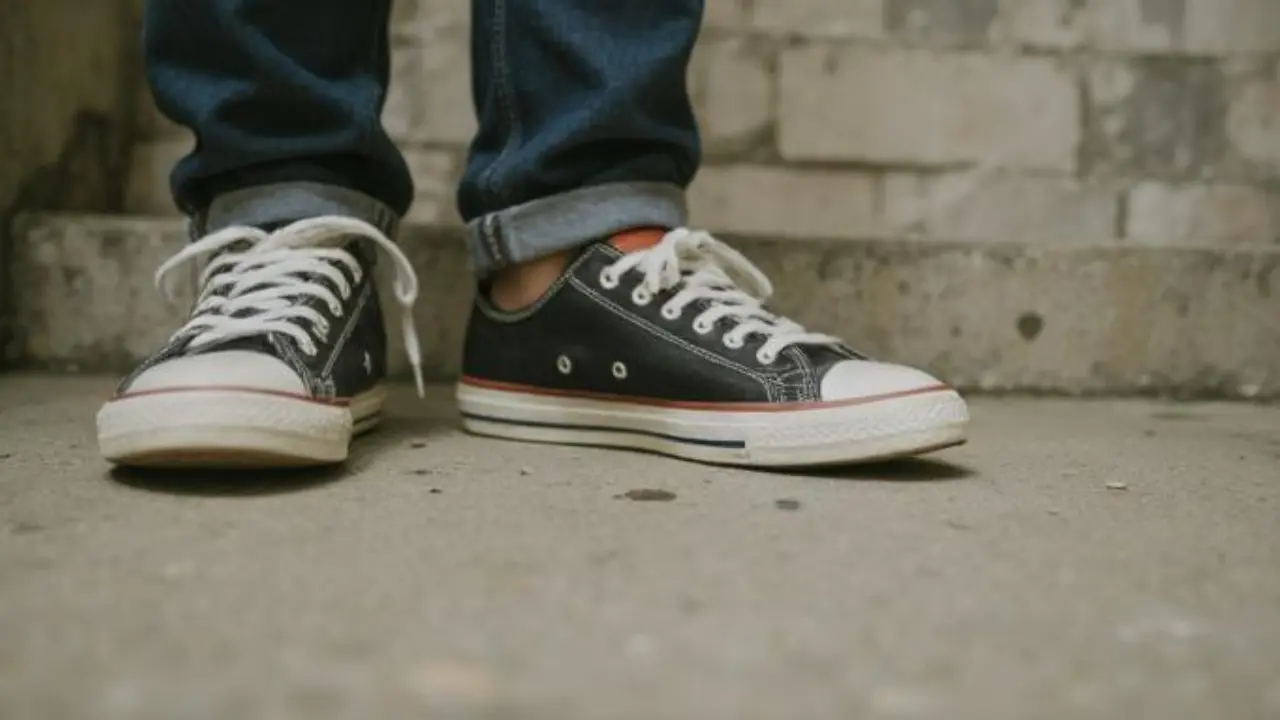
This guide covers the best shoes for standing on concrete all day — including warehouse walking, retail shifts, service jobs, and long-distance concrete walking scenarios.
This guide focuses on lightweight walking shoes and cushioned sneakers designed for comfort during long shifts on concrete floors. If your job requires protective footwear such as steel-toe or EH-rated boots, see our guide to work boots for standing on concrete floors instead.
Concrete-Tested: We prioritized thick cushioning, arch stability, and breathable uppers so your feet stay comfortable through long shifts on hard floors.
Standing or walking on concrete floors all day creates constant impact on your heels, arches, and joints. Unlike softer surfaces like wood or soil, concrete has almost no shock absorption, which means every step sends pressure back through your feet and legs.
That repetitive impact is why many workers start searching for the best shoes for standing on concrete all day. Cushioned walking shoes and supportive sneakers can reduce fatigue by absorbing shock and stabilizing the foot during long shifts.
Workers experiencing heel pain or plantar fasciitis from long concrete shifts may also benefit from footwear designed for foot support in our guide to work boots for plantar fasciitis.Why Trust This Guide
- Evaluated using cushioning performance, arch support stability, and midsole durability on hard concrete floors.
- Incorporates feedback from warehouse workers, retail staff, delivery drivers, and healthcare workers who spend 8–12 hour shifts standing or walking.
- Focuses on walking shoes and sneakers designed to absorb repeated impact on concrete surfaces.
- Updated twice per year to reflect footwear updates and long-shift comfort feedback.
What Are the Best Shoes for Standing on Concrete All Day in 2026?
Quick Answer
The best shoes for standing on concrete all day combine thick cushioning, stable arch support, and durable midsoles that absorb repeated impact from hard floors. Walking shoes and cushioned running shoes perform best because they reduce heel strike pressure and provide long-shift comfort on warehouse, retail, and service floors.
- High-cushion midsoles for shock absorption
- Stable arch support to prevent fatigue
- Wide toe boxes for long standing comfort
- Durable rubber outsoles for traction on concrete
Who This Guide Is For
- Warehouse workers walking concrete aisles all shift
- Retail staff standing on hard floors all day
- Healthcare workers on hospital flooring
- Service jobs with long standing shifts
- Anyone experiencing foot fatigue on concrete floors
Why Standing on Concrete Floors Causes Foot Fatigue
Concrete is one of the hardest surfaces used in modern workplaces. Unlike grass, soil, or wood flooring, it absorbs almost no impact. Every step or minute spent standing sends pressure back through the heel, arch, and forefoot.
Over the course of an 8–12 hour shift, that repeated compression can lead to muscle fatigue, joint stress, and reduced circulation in the feet and legs. Workers in warehouses, retail stores, hospitals, and service environments often notice the effects by the end of a long shift.
This is why many people start searching for the best shoes for standing on concrete all day. Shoes designed with thicker midsoles and structured arch support help absorb impact and distribute pressure more evenly across the foot.
Common Problems From Standing on Concrete All Day
- Heel pain and plantar fasciitis caused by repeated heel strike on hard floors.
- Arch fatigue when unsupported arches collapse during long shifts.
- Knee and lower back strain as impact travels up through the joints.
- Forefoot pressure from standing for extended periods without proper cushioning.
- General leg fatigue after hours on hard concrete surfaces.
Shoes designed for concrete floors reduce these problems by combining cushioning, arch stability, and flexible outsoles that move naturally with the foot during long periods of standing or walking.
If your workplace requires protective footwear instead of sneakers, you will need safety boots designed for the same conditions. Our guide to work boots for standing on concrete floors covers steel-toe and safety-toe options that provide similar cushioning and support for industrial environments.
Key Features to Look for in Shoes for Concrete Floors
Not all shoes are built to handle long hours on hard surfaces. When standing or walking on concrete all day, the right footwear needs to balance cushioning, stability, and durability so support does not collapse during long shifts.
If you are searching for the best shoes for standing on concrete all day, focus on the structural features that reduce fatigue and distribute pressure across the foot.
Cushioning and Shock Absorption
Concrete floors return almost all of the impact from each step, which is why cushioning is the most important feature. Shoes with thick foam midsoles, gel systems, or modern cushioning technologies absorb repeated heel strike and reduce stress on joints.
Highly cushioned walking shoes and running shoes tend to perform best because they combine lightweight foam with responsive support.
Arch Support and Stability
Stable arch support prevents the foot from collapsing inward during long shifts. Without proper support, fatigue builds quickly and can lead to plantar fasciitis or heel pain.
Many shoes designed for long-distance walking include structured midsoles and supportive footbeds that keep the arch aligned during extended standing periods.
Wide Toe Box for Long Shifts
Standing for hours causes the feet to expand slightly. Shoes with a wider toe box allow the toes to spread naturally, which improves balance and prevents pressure on the forefoot.
This becomes especially important for workers who walk long concrete warehouse floors throughout the day.
Durable Outsoles for Hard Floors
Concrete floors quickly wear down thin rubber soles. Durable outsoles with strong traction patterns provide better grip and maintain cushioning longer.
Shoes designed for long walking distances or service work typically use thicker rubber compounds that hold up better on concrete surfaces.
Best Sneakers for Standing on Concrete All Day
Many workers prefer sneakers when spending long shifts on concrete floors because they are lighter and more flexible than traditional work boots. Well-designed sneakers combine cushioned midsoles, breathable uppers, and supportive arch platforms that reduce fatigue during long hours on hard surfaces.
The best sneakers for standing on concrete all day usually come from walking or running shoe categories because those designs focus heavily on shock absorption and long-distance comfort. Thick foam midsoles help reduce heel strike pressure while breathable uppers keep feet cooler during active shifts.
Sneakers are especially popular for workers in warehouses, hospitals, retail environments, and service jobs where protective safety footwear is not required. Models with responsive cushioning and stable arch support can significantly reduce foot fatigue during long shifts.
Among the strongest options, the Hoka Bondi provides maximum cushioning for concrete surfaces, while the Brooks Ghost offers balanced support for workers walking long warehouse floors. Budget-friendly options like the Skechers Max Cushioning can also deliver excellent comfort for retail and hospitality jobs.
Standing vs Walking on Concrete: Does It Matter?
Workers who stand in one place need softer cushioning that spreads pressure evenly across the foot. Workers who walk long warehouse floors benefit from shoes with responsive midsoles that rebound with each step.
- Mostly standing: thick cushioning and stable arch support.
- Mostly walking: responsive foam and flexible forefoot.
- Mixed shifts: balanced cushioning and stability.
Comparison Table
Best Shoes for Standing on Concrete All Day
These are the most comfortable shoes for standing or walking on concrete floors all day. Each model below focuses on cushioning, arch support, and long-shift comfort on hard surfaces.
| Shoe | Why it’s good | Best For | Price |
|---|---|---|---|
⭐ Best Overall Hoka Bondi | Ultra-thick cushioning that absorbs impact on hard floors. | Maximum comfort during long standing shifts. | |
⭐ Best Balance Brooks Ghost | Balanced cushioning and stability for long walking shifts. | Warehouse walking and long retail floors. | |
⭐ Best for Walking ASICS Gel Nimbus | Gel cushioning system reduces heel strike fatigue. | Walking long concrete distances. | |
⭐ Best for Wide Feet New Balance Fresh Foam 1080 | Soft responsive foam with stable arch platform. | Long warehouse walking shifts. | |
⭐ Best Budget Skechers Max Cushioning | Thick foam cushioning designed for long standing jobs. | Budget-friendly comfort for retail and service work. |
Skechers Max Cushioning — Best Budget Comfort for Concrete Floors
TFF Rating:
Best For: Budget-friendly cushioning for retail or service workers.
Skechers Max Cushioning shoes provide thick foam midsoles at a lower price point than most premium running shoes. They work well for retail workers, hospitality staff, and anyone standing on concrete floors for long shifts.
Field notes: Very soft cushioning at a lower price point. Comfortable for retail and hospitality shifts.
Key Features:
- Ultra-thick foam cushioning midsole
- Air-cooled memory foam insole
- Breathable mesh upper
- Lightweight construction
Pros
- Very comfortable cushioning
- Lower price than premium running shoes
- Good option for long standing jobs
Cons
- Less durable than higher-end models
- Stability not as strong as premium brands
- Heavy daily use on rough concrete can compress the foam faster than premium running shoe midsoles.
Sizing & Fit: Fits true to size with moderate width. Comfortable for normal foot shapes.
Best For (recap): budget-friendly cushioning for long standing shifts.
New Balance Fresh Foam 1080 — Best for Long Walking Shifts
TFF Rating:
Best For: Warehouse workers walking long concrete aisles.
The Fresh Foam 1080 is designed for long distance comfort and provides soft yet stable cushioning. Its responsive midsole helps reduce fatigue during long walking shifts on warehouse floors or large retail spaces.
Field notes: Excellent comfort during long warehouse walking shifts with strong width options for wider feet.
Key Features:
- Fresh Foam X cushioning
- Supportive midsole platform
- Stretch knit upper for comfort
- Durable rubber outsole
Pros
- Very comfortable for long distance walking
- Good arch support for extended shifts
- Available in wide and extra-wide sizes
Cons
- Softer cushioning may wear faster on rough surfaces
- Premium price range
- Workers preferring very firm stability may find the foam slightly soft.
Sizing & Fit: True to size with excellent width options.
Best For (recap): long warehouse walking shifts on concrete floors.
ASICS Gel Nimbus — Best Shock Absorption for Concrete Walking
TFF Rating:
Best For: Workers walking long distances on concrete floors.
The ASICS Gel Nimbus combines thick cushioning foam with a gel shock-absorption system designed to reduce heel impact. It works well for warehouse staff and delivery workers who spend hours walking across concrete floors.
Field notes: Gel cushioning noticeably reduces heel strike pressure when walking long concrete distances.
Key Features:
- Gel cushioning system for heel impact
- FF Blast foam midsole
- Engineered mesh upper
- Durable AHAR rubber outsole
Pros
- Excellent shock absorption
- Very comfortable for long walking shifts
- Breathable upper keeps feet cool
Cons
- Premium price range
- Slightly heavier than minimalist walking shoes
- Soft cushioning may compress faster under heavy daily use compared to firmer midsoles.
Sizing & Fit: Runs true to size with comfortable forefoot space. Wide sizes available.
Best For (recap): shock absorption for workers walking long concrete floors.
Brooks Ghost — Best Balance of Cushioning and Stability
TFF Rating:
Best For: Walking long concrete floors in warehouses or retail environments.
The Brooks Ghost is a popular walking and running shoe known for balanced cushioning and reliable stability. It performs well for workers who walk long distances on concrete floors during warehouse or retail shifts.
Field notes: Balanced cushioning that works well for workers walking large warehouse floors throughout the day.
Key Features:
- DNA Loft cushioning midsole
- Segmented crash pad for smooth heel transition
- Breathable engineered mesh upper
- Durable rubber outsole
Pros
- Good balance between cushioning and support
- Lightweight compared to heavily cushioned shoes
- Comfortable for walking long distances
Cons
- Cushioning slightly firmer than ultra-soft models
- Not ideal for very wide feet without wide sizing
- Workers seeking maximum softness may prefer ultra-cushioned models like the Hoka Bondi.
Sizing & Fit: True to size with multiple width options.
Best For (recap): balanced cushioning and stability for long walking shifts.
Hoka Bondi — Best Overall Cushioning for Concrete Floors
TFF Rating:
Best For: Maximum cushioning for workers standing on concrete all day.
The Hoka Bondi is one of the most cushioned walking shoes available and performs exceptionally well on hard surfaces like warehouse floors and retail concrete. Its thick EVA midsole absorbs impact and reduces heel strike fatigue during long shifts.
Field notes: Extremely soft underfoot on concrete. The thick cushioning noticeably reduces heel fatigue during long standing shifts.
Key Features:
- Ultra-thick EVA midsole cushioning
- Rocker sole that reduces walking fatigue
- Wide platform for stability
- Breathable mesh upper
Pros
- Exceptional shock absorption
- Very comfortable for long standing shifts
- Stable platform reduces foot fatigue
Cons
- More expensive than most walking shoes
- Bulky design may not suit all workplaces
- The thick cushioning can feel too soft for workers who prefer firmer stability.
Sizing & Fit: Fits true to size with wide options available.
Best For (recap): maximum cushioning for long standing shifts on concrete.
Quick Picks: Best Shoes for Standing on Concrete
- Best Overall: Hoka Bondi — Maximum cushioning and excellent impact absorption for long shifts on hard floors.
- Best Balance of Cushioning & Stability: Brooks Ghost — Reliable support and comfort for workers walking long warehouse or retail floors.
- Best for Long Distance Walking: ASICS Gel Nimbus — Gel shock absorption reduces heel strike fatigue on concrete.
- Best for Wide Feet: New Balance Fresh Foam 1080 — Excellent width options with soft cushioning for extended standing.
- Best Budget Comfort: Skechers Max Cushioning — Affordable cushioning designed for retail and service work.
Best Shoes for Warehouse Workers on Concrete Floors
Warehouse employees often walk several miles per shift on hard concrete surfaces. Because concrete absorbs almost no impact, workers can experience heel pain, arch fatigue, and lower back strain after long shifts without proper footwear.
The best shoes for warehouse workers on concrete floors combine thick cushioning with stable midsoles that support the foot during constant walking. Shoes designed for long-distance running or walking typically perform well because they absorb repeated impact while remaining lightweight enough for long shifts.
Highly cushioned models like the Hoka Bondi help reduce fatigue during long warehouse shifts, while balanced options such as the Brooks Ghost provide a combination of cushioning and stability for workers walking large distribution floors.
If warehouse safety policies require protective footwear instead of athletic shoes, consider supportive work boots designed for warehouse work that combine cushioning with safety toe protection.
Most Comfortable Shoes for Standing All Day on Concrete
Standing for long hours on concrete floors places constant pressure on the heel, arch, and forefoot. Over time, this pressure can cause fatigue, soreness, and joint stress if shoes lack proper cushioning and support.
The most comfortable shoes for standing all day on concrete typically feature thick foam midsoles, stable arch platforms, and breathable uppers that reduce heat buildup during long shifts. These features help distribute weight evenly and reduce the impact that travels through the legs during prolonged standing.
Highly cushioned shoes like the Hoka Bondi are often preferred by workers who spend most of their shift standing in one place, while balanced models such as the Brooks Ghost work well for jobs that combine standing with frequent walking.
Workers who need additional support can also benefit from using supportive inserts designed for hard floors, which improve arch stability and reduce pressure during long shifts.
Best Shoes for Retail Workers Standing All Day
Retail workers often spend long shifts standing or walking on hard flooring surfaces such as concrete, tile, or polished store floors. Without proper footwear, this constant pressure can lead to heel soreness, arch fatigue, and general leg discomfort by the end of a shift.
The best shoes for retail workers standing all day prioritize cushioning, breathability, and lightweight comfort. Shoes with thick foam midsoles help absorb impact from hard floors, while breathable mesh uppers keep feet cool during active shifts.
Supportive walking and running shoes are usually the best choice for retail environments where safety footwear is not required. Popular options like the Brooks Ghost provide balanced cushioning and stability, while the Skechers Max Cushioning offers a budget-friendly option designed specifically for long standing jobs.
For workers who spend part of their shift walking on warehouse-style concrete floors, highly cushioned models such as the ASICS Gel Nimbus or New Balance Fresh Foam 1080 can provide additional shock absorption.
Best Shoes for Standing All Day at Work
Many jobs require workers to remain on their feet for most of the day. Retail staff, warehouse employees, healthcare workers, and service professionals often spend 8–12 hour shifts standing or walking on hard floors.
The best shoes for standing all day at work provide thick cushioning, stable arch support, and breathable uppers that reduce fatigue during long shifts. Shoes designed for long-distance walking or running typically perform best because they absorb repeated impact while remaining lightweight and flexible.
Highly cushioned options such as the Hoka Bondi are popular for workers who stand in one place for long periods, while balanced models like the Brooks Ghost perform well for jobs that combine standing with frequent walking.
Common Mistakes When Choosing Shoes for Concrete Floors
Many workers assume any comfortable sneaker will work on concrete floors. However, long shifts on hard surfaces quickly expose weaknesses in footwear that lacks proper cushioning or support.
- Choosing thin-soled shoes that cannot absorb repeated impact from hard floors.
- Ignoring arch support, which leads to fatigue and plantar fascia strain.
- Wearing worn-out midsoles that have already compressed from previous use.
- Buying tight shoes that restrict toe movement during long shifts.
- Using minimalist running shoes designed for speed rather than standing comfort.
The best shoes for standing on concrete all day use thick cushioning, stable midsoles, and durable outsoles designed to handle constant pressure from hard surfaces.
Cushioning Technologies That Reduce Concrete Fatigue
Modern walking and running shoes use specialized cushioning systems designed to absorb repeated impact. These technologies help reduce joint stress and foot fatigue during long hours on concrete floors.
- Hoka EVA Cushioning – thick midsoles designed for maximum impact absorption.
- Brooks DNA Loft Foam – balanced cushioning that combines softness with stability.
- ASICS Gel Cushioning – gel inserts that reduce heel strike impact.
- New Balance Fresh Foam – responsive foam designed for long-distance comfort.
- Skechers Max Cushioning – thick foam platforms built for extended standing jobs.
Shoes that combine these cushioning systems with supportive midsoles perform best when standing or walking on concrete floors for long periods.
Pro Tips for Standing on Concrete All Day
- Rotate between two pairs of shoes to allow midsoles to recover between shifts.
- Replace shoes every 6–9 months if you stand on concrete daily.
- Use supportive insoles for concrete floors if additional arch support is needed.
- Choose wide toe boxes to allow natural toe spread during long shifts.
- Avoid worn midsoles since compressed foam stops absorbing impact.
Best Socks for Standing on Concrete Floors
Supportive footwear works best when paired with high-quality work socks. Cushioned socks reduce friction, improve moisture control, and help stabilize the foot during long shifts.
If you spend long hours on hard surfaces, see our guide to the best work socks for long shifts to improve comfort and reduce foot fatigue.
How Long Shoes Last on Concrete Floors
Concrete floors wear down shoe cushioning faster than softer surfaces. Even high-quality walking shoes eventually lose their shock absorption as midsoles compress from repeated impact.
Workers standing or walking on concrete daily typically replace their shoes every 6–9 months depending on shift length and body weight.
- Retail workers: ~8–10 months
- Warehouse walking: ~6–8 months
- Heavy daily use: ~4–6 months
When cushioning begins to feel flat or foot fatigue increases, it is usually a sign that the midsole has compressed and the shoe should be replaced.
Workers experiencing persistent foot fatigue should also review our guide to work boots for sore feet, which explains how arch support and cushioning reduce pain during long shifts.
Are Running Shoes or Walking Shoes Good for Concrete Floors?
Many workers first try athletic footwear when dealing with long hours on hard surfaces. Cushioned running shoes like Hoka, Brooks, or Asics can feel comfortable initially because they provide thick foam midsoles that absorb impact when walking on pavement or sidewalks.
However, when standing on concrete floors for 8–12 hour shifts, most running shoes compress quickly and lose support. Industrial environments also require more durability, slip resistance, and sometimes protective toe caps that athletic shoes do not provide.
For that reason, many workers who start with athletic footwear eventually switch to supportive work boots built for concrete floors which combine cushioning with stronger structural support.
Jobs That Spend All Day Standing on Concrete
Many workers searching for boots for standing on concrete floors work in jobs where hard surfaces are unavoidable. Warehouses, delivery routes, factories, and retail environments all require long hours on unforgiving flooring that increases foot fatigue.
- Warehouse pickers walking miles on sealed concrete floors
- Delivery drivers constantly stepping on pavement and warehouse loading docks
- Retail and service workers standing on polished concrete or tile
- Factory workers spending 8–12 hour shifts on hard production floors
If your job falls into one of these categories, you may also want to explore guides designed for specific roles like warehouse work boots or delivery driver footwear, which focus on long walking distances and constant movement.
FAQ: Shoes for Standing on Concrete Floors
Are running shoes good for standing on concrete all day?
Yes. Many running shoes provide thick cushioning and flexible midsoles that help absorb impact on hard surfaces. Models with strong arch support and durable midsoles often perform well for warehouse workers, retail staff, and service jobs that involve standing on concrete floors for long periods.
What type of shoe is best for concrete floors?
The best shoes for concrete floors typically include thick cushioning, supportive arches, and durable rubber outsoles. Walking shoes and cushioned running shoes are often ideal because they reduce heel strike impact and provide long-shift comfort on hard surfaces.
Why does standing on concrete hurt your feet?
Concrete floors absorb almost no impact. Each step sends pressure back through the heel, arch, and joints. Over long shifts this repeated stress can lead to foot fatigue, heel pain, and plantar fasciitis if shoes lack proper cushioning and support.
Are shoes better than boots for standing on concrete?
Shoes are often lighter and more flexible, which can reduce fatigue during long walking shifts. However, many industrial workplaces require protective footwear. In those situations, workers should use supportive safety boots designed specifically for concrete floors.
How can I reduce foot pain from standing on concrete all day?
Choosing shoes with thick cushioning and arch support is the most important step. Rotating footwear, using supportive insoles, and taking short movement breaks can also help reduce fatigue during long shifts.
Final Verdict: Best Shoes for Standing on Concrete
Standing on concrete floors all day places significant stress on the feet, which is why cushioning and arch support are critical. Shoes designed for long-distance walking or running tend to perform best because they combine shock absorption with lightweight comfort.
For maximum cushioning, the Hoka Bondi is the strongest overall choice. Workers walking long warehouse floors often prefer the balanced comfort of the Brooks Ghost, while those looking for a more affordable option may find the Skechers Max Cushioning provides excellent value.
How We Evaluate Shoes for Concrete Floors
Each shoe in this guide was evaluated based on the features that matter most when standing or walking on concrete all day.
- Cushioning thickness and shock absorption
- Arch support and midsole stability
- Outsole durability on hard surfaces
- Breathability during long shifts
- Long-distance walking comfort
These criteria reflect real-world conditions experienced by warehouse workers, retail employees, healthcare staff, and delivery drivers who spend most of their workday on concrete floors.