
Best work boots for sore feet — shock-absorbing midsoles, supportive arch platforms, orthotic-friendly depth for concrete shifts, warehouses, and long standing jobs.
Evaluated for impact absorption, arch support, heel stability to reduce foot fatigue on 10–12 hour workdays.
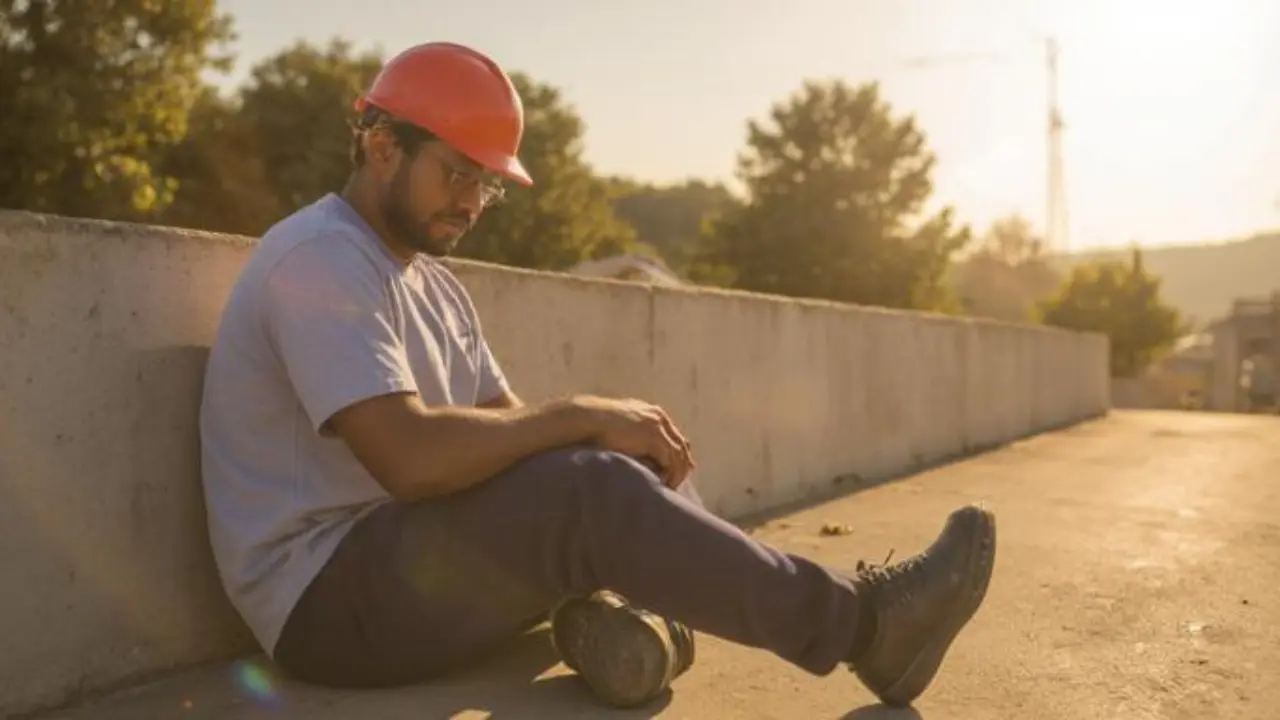
Pain-Relief Tested: Picked with input from crews who stand 8–12 hours on concrete, plus fit checks for arch/heel soreness.
Skip to #1 pick — WolverineIf you’ve ever taken off your boots after a long shift and felt like your feet aged 20 years, you’re not alone. The best work boots for sore feet combine shock-absorbing midsoles, firm arch support, and stable heel platforms to reduce impact on concrete, ladders, and hard job-site surfaces.
Below are the top work boots for foot pain in 2026, selected for long-shift comfort, orthotic compatibility, and real fatigue reduction across construction, warehouse, and standing-intensive jobs.
Why Trust This Guide
- Evaluated using shock-absorption, arch support, and heel stability criteria.
- Incorporates feedback from construction crews, warehouse workers, and patrol officers who spend 8–12 hour shifts on their feet.
- Safety specifications verified against ASTM F2413 and EH ratings where applicable.
- Updated twice per year to reflect product changes and worker feedback.
What Are the Best Work Boots for Sore Feet in 2026?
Quick Answer
The best work boots for sore feet combine shock-absorbing midsoles, firm arch support, and a stable heel platform that reduces impact during long shifts. Boots designed for concrete floors and warehouse work typically include cushioned midsoles, removable insoles for orthotics, and lighter composite safety toes that reduce fatigue during 8–12 hour workdays.
- Shock-absorbing midsoles
- Firm arch support
- Stable heel platform
- Orthotic-friendly depth
Sore Feet Basics — What Matters Most
- Shock absorption: dual-density EVA/PU midsoles and anti-fatigue tech soften repetitive impact on concrete.
- Arch support: firm, removable footbeds let you run posted insoles or custom orthotics.
- Heel control: snug heel counters limit over-pronation that stresses knees/backs.
- Stable platform: wedge or flatter profiles feel planted; lugs for gravel/yard work.
- Weight: composite toes cut fatigue vs. steel; pick the lightest boot that meets your PPE.
If your soreness happens mostly after standing on hard floors rather than walking routes, boots designed specifically for slab environments often perform better. See our guide to work boots for standing on concrete floors for models built to reduce cumulative impact.
A lot of sore-foot problems come from the thin factory insole that comes inside many work boots. Upgrading to a better insert can improve support and reduce all-day pounding, especially in steel toe footwear. Here are some of the better safety shoe insoles if your current pair feels harsh underfoot.
If you have underlying conditions that affect circulation or sensitivity, standard work boots may not be enough. In those cases, choosing footwear designed with extra care and protection in mind becomes more important. See our guide to diabetic work boots with safety toes for options that focus on comfort and reduced pressure.
Common Causes of Sore Feet at Work
Sore feet during long shifts usually come from repeated impact, poor arch support, worn midsoles, or boots that do not match your work surface. Concrete floors, ladders, and uneven job sites place constant pressure on the heel and forefoot.
Most Common Causes
- Hard concrete floors: repeated impact compresses heel padding and stresses joints.
- Poor arch support: flat or collapsed footbeds allow the foot to roll inward during long shifts.
- Heavy boots: steel toes and thick outsoles increase fatigue during walking and ladder work.
- Worn midsoles: compressed EVA or PU foam loses shock-absorbing ability over time.
- Incorrect fit: boots that are too narrow or loose can cause pressure points and heel instability.
What This Usually Means for Your Boots
- If your arches ache, start with boots for flat feet that provide firmer structure.
- If new boots feel stiff and punishing, follow these steps for breaking in work boots properly .
- If one spot keeps rubbing, relieve pressure points without damaging the upper.
- If the boot feels decent but your feet still ache, compare supportive insoles for concrete work .
Comparison Table
Best Work Boots for Sore Feet
Use this comparison table to quickly identify the best work boots for sore feet based on shock absorption, arch support, weight, and jobsite compatibility before reading the detailed reviews below.
| Product | Why it’s good | Best For | Price |
|---|---|---|---|
| Best Overall Wolverine Overpass | ContourWelt® flex, waterproof, removable insole for orthotics. | Construction & outdoor labor on concrete | |
| Best Warehouse KEEN Utility Lansing | KEEN.Dry waterproof, dual-density footbed, slip-resistant. | Warehouse/industrial shifts on hard floors | |
| Best Chronic Pain Orthofeet Granite | Orthotic insole, deep heel cup, rocker profile; waterproof. | Chronic heel/arch pain; light-duty roles | |
| Best Light Duty Skechers Relment-Pelmo | Memory-foam insole + cushioned midsole; waterproof suede. | Light-duty work; long hours standing | |
| Best Patrol NORTIV Tactical | Lightweight chassis, side-zip, cushioned insole. | Security/law enforcement; miles on foot |
Full Reviews Below: Use the comparison table above for a quick shortlist, then read the full reviews below for shock absorption, arch support, fit notes, safety-toe details, and where each boot works best for sore feet during long shifts.
If you’re comparing multiple types of safety footwear across job roles, our main guide to the best work boots for different jobs explains how different boot designs perform across construction, warehouse, and outdoor work environments.
Wolverine Overpass 6″ Composite Toe — Best Overall for Sore Feet on Concrete
TFF Rating:
Best For: construction/maintenance crews who need support + flexibility on hard floors.
ContourWelt® flex moves with your stride while the composite toe trims weight. Waterproof leather and a removable insole make orthotic swaps easy—key for mid-day arch fatigue.
Field notes: “Concrete double-shift—heels felt fresher by checkout. Firmer posted insert took it from good to great.”
Key Features:
- Composite toe (ASTM F2413)
- Waterproof full-grain leather
- ContourWelt® flexible construction
- Slip/oil/abrasion-resistant outsole
- Removable, orthotic-friendly insole
Pros
- Excellent impact dampening for concrete
- Orthotic-friendly volume
- Lighter than many steel-toe options
Cons
- Runs a touch snug for thick socks
- Short break-in
- Arch collapse by hour 6–8: swap to a posted (medial) insole.
- Warm weather: waterproof liners run warmer—air out at lunch.
Sizing & Fit: True-to-length; some go ½ size up. Standard width; remove stock insole for custom orthotics.
Best For (recap): concrete-heavy shifts needing CT protection and real shock absorption.
KEEN Utility Lansing Mid (Steel Toe) — Ideal for Warehouse & Industrial
TFF Rating:
Best For: indoor industrial shifts needing steel-toe protection and dependable cushioning.
KEEN.Dry waterproof membrane blocks spills while breathing. Dual-density footbed and slip-resistant outsole help on slick floors when fatigue sets in.
Field notes: “Grippy on dusty concrete. Heavier than composite, but the arch cradle took pressure off my heels.”
Key Features:
- Steel toe (ASTM)
- KEEN.Dry waterproof membrane
- Removable dual-density footbed
- Oil/slip-resistant outsole
- Reflective webbing
Pros
- Reliable indoor traction
- Comfortable underfoot for long shifts
- Roomy asymmetrical toe box
Cons
- Heavier than CT alternatives
- Lacing hardware can wear over time
- Weight sensitivity: consider a CT model if fatigue is your #1 issue.
- Footbed packing: rotate/replace to keep arch support fresh.
Sizing & Fit: True-to-length; generous forefoot. Works with custom insoles.
Best For (recap): warehouse/industrial safety with shock absorption for sore heels.
Orthofeet Granite — Best for Chronic Foot Pain & Plantar Fasciitis
TFF Rating:
Best For: plantar fasciitis/arthritis or persistent heel/arch pain in lighter-duty roles.
Orthotic insole with anatomical arch support and a deep heel cup aligns the foot and softens impact. Rocker profile smooths transitions when every step hurts.
Field notes: “Wide forefoot killed the squeeze. Heel cup and rocker made long inspections doable.”
Key Features:
- Premium orthotic insole (removable)
- Pressure-free wide toe box
- Shock-absorbing ergonomic sole
- Waterproof leather; seam-sealed
- Composite toe option (check listing)
Pros
- Excellent out-of-box pain relief
- Orthotic-level arch/heel support
- Multiple widths available
Cons
- Not for heavy site abuse
- Premium price
- Abrasion: leather scuffs faster than logger-grade builds.
- PPE: confirm toe/EH variant matches site policy.
Sizing & Fit: True-to-size; ample volume for orthotics; widths help flat/wide feet.
Best For (recap): chronic pain relief where soft-toe or light CT is acceptable.
Skechers Relment-Pelmo — Best for Light-Duty Work & Long Standing
TFF Rating:
Best For: light-duty roles and service work where plush underfoot cushioning beats toe caps.
Memory-foam insole molds to pressure points; waterproof suede and padded collar keep things comfortable. Relaxed fit helps when feet swell late-day.
Field notes: “On my feet all day—no hot spots. Not a construction boot, but perfect for long indoor routes.”
Key Features:
- Memory-foam insole (removable)
- Waterproof suede upper
- Padded collar/tongue
- Lugged rubber outsole
Pros
- Plush, instant comfort
- Light and easy to wear
- Great for static standing
Cons
- No safety toe
- Not for heavy construction
- Support drift: memory foam can compress—refresh insoles regularly.
- Site rules: verify PPE if impact hazards exist.
Sizing & Fit: True-to-size; relaxed forefoot. Works with aftermarket support insoles.
Best For (recap): long hours standing in light-duty/service roles.
NORTIV 8 Tactical — Best for Security & Tactical Professions
TFF Rating:
Best For: patrol/security shifts where light weight + quick entry reduce foot fatigue.
Side zipper speeds on/off; cushioned insole and flexible sole help on long perimeter walks. Grippy rubber handles slick pavement—ideal for miles on foot.
Field notes: “12-hour patrol—light on the legs, no hotspots. Wouldn’t take it into heavy rain; not waterproof.”
Key Features:
- Lightweight chassis
- Side-zip entry
- Cushioned insole
- Slip-resistant rubber outsole
Pros
- Very light; reduces fatigue
- Fast on/off at checkpoints
- Comfortable for long walks
Cons
- Not waterproof
- No safety toe
- Weather: choose a waterproof patrol boot for rainy posts.
- PPE: not suited for impact-hazard sites.
Sizing & Fit: True-to-size; medium width. Consider thin insole swap if heel lift appears.
Best For (recap): dry-weather patrol/security where mobility and comfort matter most.
Quick Picks (TL;DR)
- Best overall (concrete): Wolverine Overpass
- Industrial indoor: KEEN Lansing Mid
- Chronic pain relief: Orthofeet Granite
- Light-duty standing: Skechers Relment-Pelmo
- Patrol/security: NORTIV 8 Tactical
Best Work Boots for Standing All Day
Standing all day on concrete, warehouse floors, hospital flooring, or manufacturing surfaces creates constant pressure through the heel, arch, and forefoot. The best work boots for standing all day reduce fatigue with shock-absorbing midsoles, stable arch support, and removable insoles.
What Standing All Day Usually Means for Your Boots
- Concrete floors: choose shock-absorbing midsoles and stable wedge-style platforms.
- Warehouse shifts: prioritize lightweight safety toes and slip-resistant soles.
- Hot surface work: road crews and paving workers need heat-tolerant outsole protection.
- End-of-day swelling: pull-on boots can reduce pressure across the instep for some workers.
For slab-floor work, see our guide to safety shoes for concrete surfaces. For road crews and paving, compare asphalt paving boots. For easier on/off comfort, see our guide to the most comfortable pull-on work boots.
How Work Boots Reduce Foot Fatigue
The best work boots for sore feet reduce repeated impact on the heel and forefoot during long shifts. When you stand or walk on hard surfaces for hours, the midsole, footbed, and heel platform absorb pressure that would otherwise travel into the feet, ankles, knees, and lower back.
If most of your shift happens on slab floors or warehouse concrete, see our guide to work boots for standing on concrete floors for wedge soles and midsole designs built for hard surfaces.
Key Boot Features That Help Reduce Sore Feet
- Shock-absorbing midsoles: reduce repeated heel and forefoot impact on hard floors.
- Supportive arch structure: helps stabilize the foot and limit excess inward roll.
- Removable insoles: allow supportive inserts or custom orthotics when factory footbeds are too flat.
- Stable heel platform: keeps the rearfoot aligned and can reduce stress traveling into the knees and back.
- Lighter safety toes: composite toes can reduce walking fatigue compared with heavier steel-toe boots.
If knee pain is also part of the problem, our guide to work boots for bad knees explains how alignment and midsole support can improve joint comfort.
Foot fatigue often spreads upward through the legs and into the lower back during long shifts on hard surfaces. Workers dealing with both issues may benefit from footwear designed to improve alignment and reduce spinal load. For deeper support strategies, see our guide to work boots for back pain.
Match Job Scenario to Pain-Relief Features
| Scenario | Prioritize | Toe / PPE | Good Matches |
|---|---|---|---|
| All-day concrete (construction/maintenance) | Firm arch posting, shock-absorbing midsole, flatter outsole | CT/ST if required | Wolverine Overpass, Pit Boss |
| Warehouse/industrial (indoor) | Anti-fatigue footbed, breathable liner, slip-resistant sole | ST per site rules | KEEN Lansing |
| Chronic heel/arch pain | Orthotic insole, deep heel cup, rocker profile | Soft/CT depending on role | Orthofeet Granite |
| Light-duty/long standing | Plush insole + cushioned midsole, relaxed fit | Soft toe OK | Skechers Relment-Pelmo |
| Security/tactical miles | Light weight, easy on/off, heel/forefoot cushioning | Soft toe (check policy) | NORTIV 8 Tactical |
Comfort Technology Explained
(What Actually Reduces Foot Pain)
Modern work boots use a combination of cushioning materials, structural support, and ergonomic design to reduce fatigue during long shifts. Understanding how these technologies work can help you choose boots that protect your feet over thousands of steps on concrete or job-site terrain.
Shock-Absorbing Midsoles
Most comfort-focused work boots use EVA or polyurethane midsoles that compress slightly under load. This cushioning helps absorb the repeated impact that occurs when walking or standing on concrete floors all day.
Composite vs Steel Toe Weight
Composite safety toes are often lighter than traditional steel toes. If you are comparing protection types, our guide explaining what a composite safety toe is breaks down how they differ from steel and aluminum safety toes.
Orthotic-Friendly Footbeds
Many workers with sore feet benefit from supportive inserts. Boots with removable insoles allow custom orthotics or supportive aftermarket inserts to improve arch stability and reduce heel pain.
Heel Stabilization
A firm heel counter helps prevent excessive inward rolling of the foot during walking. This improves alignment and can reduce stress on the knees and lower back over long workdays.
- Wolverine Overpass: composite-toe concrete comfort with orthotic room
- KEEN Lansing Mid: steel-toe indoor safety + anti-fatigue feel
- Orthofeet Granite: orthopedic relief for chronic heel/arch pain
- Skechers Relment-Pelmo: plush, light-duty all-day standing
- NORTIV 8 Tactical: ultra-light miles for patrol/security
Who These Work Boots Are Best For
(Sore Feet & Long Shifts)
Work boots designed for sore feet are best suited for workers who spend long hours standing, walking, or carrying loads on hard surfaces. Jobs that involve concrete floors, warehouse routes, ladders, or repeated walking tend to put the most strain on the heel and arch, which is why proper shock absorption and arch support become critical over a full shift.
- Construction workers: concrete slabs and uneven ground create repeated impact that quickly leads to foot fatigue without proper cushioning.
- Warehouse pickers and logistics staff: constant walking on polished floors can cause heel and arch soreness over long shifts. If most of your day involves warehouse routes, our guide to work boots for warehouse pickers explains which outsole types and midsoles reduce fatigue the most.
- Maintenance and facility workers: long hours standing or walking between job areas often lead to sore arches and tired feet without supportive footwear.
- Service and retail roles: workers who stand for most of the day benefit from supportive midsoles and cushioned insoles that reduce pressure on the heel and forefoot.
- Workers dealing with chronic foot fatigue: if your soreness is linked to conditions like heel pain or plantar fasciitis, boots with removable insoles allow better orthotic support. Our guide to work boots for plantar fasciitis explains which designs help reduce heel strain.
Common Mistakes When Buying Work Boots for Sore Feet
Many workers try to solve sore feet by simply choosing softer boots, but the real solution usually comes from the right combination of support, cushioning, and fit. The wrong boot design can actually increase fatigue and foot pain over the course of a long shift.
- Choosing overly soft cushioning: very soft foam may feel comfortable at first, but it can collapse quickly and fail to support the arch. Boots designed for long shifts usually combine cushioning with a firm support structure.
- Ignoring arch support: flat insoles allow the foot to roll inward during walking, which increases strain on the arch and heel. Many workers improve comfort by using supportive inserts.
- Wearing worn-out boots too long: midsoles gradually compress over time. Once cushioning loses its rebound, impact transfers directly into the feet and joints.
- Choosing heavy boots for walking jobs: excessive boot weight increases fatigue over thousands of steps. For jobs that involve constant movement, lighter composite-toe boots often reduce cumulative strain.
- Buying the wrong sole type for the job: aggressive lug soles work well outdoors but can feel unstable on flat concrete. Workers spending most of the day on slab floors often benefit from wedge soles and shock-absorbing midsoles.
Avoiding these common mistakes can dramatically reduce foot fatigue and make long workdays more manageable.
Real Worker Foot Pain Problems
(and What Causes Them at Work)
Many workers searching for pain-relief boots are not just looking for comfort — they are trying to solve a specific problem that shows up after long shifts. Understanding the cause of the pain can make it much easier to choose the right boot design.
- “My heels feel bruised after standing on concrete all day.”
This usually happens when midsoles lose their shock-absorbing ability or the boot lacks enough cushioning. Workers spending most of the day on slab floors often benefit from boots designed specifically for standing on concrete. - “My arches ache halfway through my shift.”
Arch fatigue often comes from flat or worn-out insoles that allow the foot to collapse inward. Supportive insoles or boots with stronger arch platforms can reduce this type of soreness. - “My feet feel fine in the morning but hurt by the end of the day.”
This is usually caused by cumulative impact from thousands of steps during a shift. Boots with shock-absorbing midsoles and lighter composite safety toes can reduce fatigue over time. - “My boots feel heavy and my feet get tired faster.”
Excessive boot weight increases fatigue during walking jobs. Workers who cover long distances often benefit from lighter safety footwear or composite-toe designs. - “My foot pain spreads into my knees or lower back.”
Poor foot alignment can travel up the kinetic chain and affect other joints. Workers experiencing both foot and knee discomfort may want to review our guide to work boots for bad knees.
By identifying the cause of your foot pain, it becomes easier to choose work boots that actually solve the problem rather than just masking the discomfort with extra cushioning.
Why Do Some Work Boots Cause Sore Feet?
Sore feet from work boots usually happen when the midsole loses its shock absorption or the insole fails to support the arch. Boots that feel comfortable when new can start causing fatigue once the cushioning compresses or the footbed flattens over time.
Best Sole Types for Sore Feet
(Wedge vs Lug vs Rocker)
The outsole design of a work boot has a major impact on foot fatigue during long shifts. Different sole shapes distribute pressure in different ways, which affects how much stress is placed on the heel, arch, and forefoot. Choosing the right sole type for your work environment can significantly reduce soreness by improving stability and shock absorption.
Wedge Soles
Wedge soles are one of the most comfortable options for workers standing on concrete floors all day. Instead of aggressive lugs, the sole forms a flat platform that spreads body weight more evenly across the foot. This design reduces pressure on the heel and helps limit fatigue during long shifts.
For jobs involving warehouse floors or slab construction, wedge soles are often the most comfortable option. Our guide to wedge sole work boots explains which designs provide the best stability and cushioning for hard surfaces.
Lug Soles
Lug soles use deeper tread patterns designed for traction on dirt, gravel, and uneven terrain. While they perform well outdoors, they can sometimes feel less stable on flat indoor surfaces. Workers who split their time between outdoor sites and concrete floors often prefer boots with moderate lugs combined with shock-absorbing midsoles.
Rocker Soles
Rocker-style soles use a slightly curved shape that helps the foot roll forward more smoothly during walking. This design reduces pressure on the heel and forefoot, which can be helpful for workers dealing with chronic foot fatigue or heel pain. Rocker soles are often recommended for people experiencing plantar fasciitis or long-term arch strain.
Where These Boots Perform Best
(Real Work Scenarios)
Workers experience foot fatigue for different reasons depending on their job environment. The boots in this guide perform best in roles where repeated impact, long standing hours, or constant walking place stress on the heel and arch.
- Concrete construction: shock-absorbing midsoles and supportive arches reduce impact during long slab or foundation work.
- Warehouse and logistics work: cushioned midsoles and slip-resistant outsoles help reduce fatigue during constant walking on polished floors.
- Maintenance and facility roles: supportive footbeds help workers who alternate between walking routes and long standing periods.
- Security and patrol work: lightweight boots reduce fatigue during shifts that involve several miles of walking.
- Workers dealing with plantar fasciitis or chronic foot pain—especially those walking long routes in distribution centers—may also want to review our guide to work boots for warehouse pickers, which focuses on footwear built for high-mileage shifts.
How to Make Work Boots Last Longer
(and Stay Comfortable)
- Insole refresh: replace every 3–6 months—packed foam stops absorbing shock.
- Orthotic fit: remove stock insoles to prevent heel lift; re-lace with a runner’s loop.
- Midsole recovery: rotate pairs so foam rebounds between shifts.
- Surface swap: wedge/flat soles for concrete; lugs for gravel/yard work.
- Leather care: clean/condition quarterly to keep the platform supportive.
Pro Tips for Sore Feet
- Posted insoles: add medial support to curb over-pronation fast.
- Heel slip fix: lace-lock + thin heel grips stabilize the rearfoot.
- Fit late-day: feet swell—dial boot fit with work socks you’ll actually wear.
- Zero-drop? works for some; most sore feet like slight heel-to-toe drop for shock absorption.
Some workers eventually do better in flatter, foot-shaped footwear, especially if narrow raised-heel boots feel restrictive. If you want to explore that route, see our guide to zero drop work boots for models built around a level sole and natural toe room.
Foot discomfort is not always just about the boot or the insole. Moisture buildup and friction from poor-quality socks can also make things worse over time. See our guide to work socks for long shifts for better options.
When Work Boots Alone Don’t Solve Foot Pain
Even the best work boots cannot fully solve foot pain if the underlying cause is poor arch support, worn midsoles, or long hours on hard surfaces. Workers who spend most of their shift on concrete floors often benefit from combining supportive boots with aftermarket insoles designed to stabilize the arch and cushion the heel.
If your boots still feel harsh after several hours on the job, replacing the factory insole can dramatically improve comfort. Our guide to the best work boot inserts explains which types help reduce fatigue during long shifts.
Safety, PPE & Support Setup
Supportive boots reduce fatigue, but socks and PPE fit still matter. Match your site requirements and choose moisture-managing socks that reduce friction and heat buildup during long shifts.
- Daily combo: mid-weight merino crew with a firm arch band.
- Hot shifts: ultralight merino or Coolmax blends reduce sweat buildup.
- Concrete work: cushioned heel/forefoot zones help absorb repeated impact.
- PPE check: confirm ASTM F2413 toe protection and EH ratings when required.
- Orthotic swaps: re-check heel lock and toe clearance after installing inserts.
See OSHA Foot Protection (29 CFR 1910.136) for workplace footwear requirements.
Quick Buyer Fit Checklist
- Standing on concrete all day? Look for wedge soles and shock-absorbing midsoles.
- Arch pain or plantar fasciitis? Choose boots with removable insoles and firm arch support.
- Walking long warehouse routes? Lightweight composite-toe boots reduce fatigue.
- Knee or lower-back pain? Stable heel platforms help improve alignment.
- Feet swell during shifts? Consider boots with wider toe boxes and flexible uppers.
Final Verdict
Best overall: Wolverine Overpass. Warehouse/industrial: KEEN Lansing Mid. Chronic pain relief: Orthofeet Granite. Light-duty standing: Skechers Relment-Pelmo. Patrol/security: NORTIV 8 Tactical.
FAQ — Work Boots for Sore Feet, Joints & Back
What makes a work boot good for sore feet?
Impact-damping midsoles, firm arch support, and a stable heel counter. Removable insoles let you use posted orthotics.
Steel vs composite toe—what’s easier on sore feet?
Composite is lighter and cuts fatigue; both can meet ASTM F2413. Follow site rules first.
Best soles for standing on concrete all day?
Wedge/flatter profiles feel planted and distribute pressure; pair with a supportive insole.
Can supportive boots help knees/back?
Often yes—better arch control improves alignment (ankle → knee → hip), reducing joint stress over long shifts.
Zero-drop boots for sore feet?
They help some workers; many prefer slight heel-to-toe drop for extra shock absorption and arch support.
Why do my work boots hurt my feet?
Work boots often cause foot pain when they lack proper arch support, have worn-out midsoles, or do not match the shape of the foot. Long hours on hard surfaces like concrete can amplify the problem, especially if the boot does not absorb impact effectively.
How We Test — Pain-Relief Methodology & Scoring
We evaluate on polished concrete, dusty shop floors, and mixed outdoor surfaces. Scores blend on-foot wear, spec checks, and verified crew feedback. We weigh shock absorption, arch support, heel hold, all-day comfort, and weight.
Concrete fatigue hits mechanics hard because shop floors do not give much back through the heel. If your feet feel beaten up by mid-shift, these mechanic work boots show which models hold up best on oily epoxy, concrete, and washdown-heavy bays.
| Model | Shock Absorb | Arch Support | Heel Hold | All-Day Comfort | Weight |
|---|---|---|---|---|---|
| Wolverine Overpass | Very Good | Very Good | Very Good | Excellent | Light-Mod |
| KEEN Lansing Mid | Very Good | Good | Very Good | Very Good | Heavier |
| Orthofeet Granite | Excellent | Excellent | Good | Excellent | Light |
| Skechers Relment-Pelmo | Very Good | Good | Good | Very Good | Light |
| NORTIV 8 Tactical | Good | Good | Good | Good | Very Light |
About the Author & Testing
Compiled by The Foot Facts with feedback from construction, warehouse, and patrol crews. We evaluate shock absorption, arch support, heel hold, slip on wet/dusty floors, and long-shift comfort—blending spec sheets, verified user reports, and wear-testing where noted.
Workers dealing with wet cement, slurry, or concrete pours face additional strain on their feet because standard leather boots quickly become saturated and heavy. In those situations waterproof PVC footwear is usually the safer choice. See our guide to work boots for pouring concrete designed specifically for wet cement and slurry conditions.
End of shift test: if your feet don’t complain when you hit the car, the boots did their job.