Best work boots for back pain — anti-fatigue midsoles, supportive arch platforms, and shock-absorbing heels to reduce spinal load during long shifts on concrete floors.
Evaluated for shock absorption, arch stability, heel control to reduce lower-back strain on 10+ hour workdays.
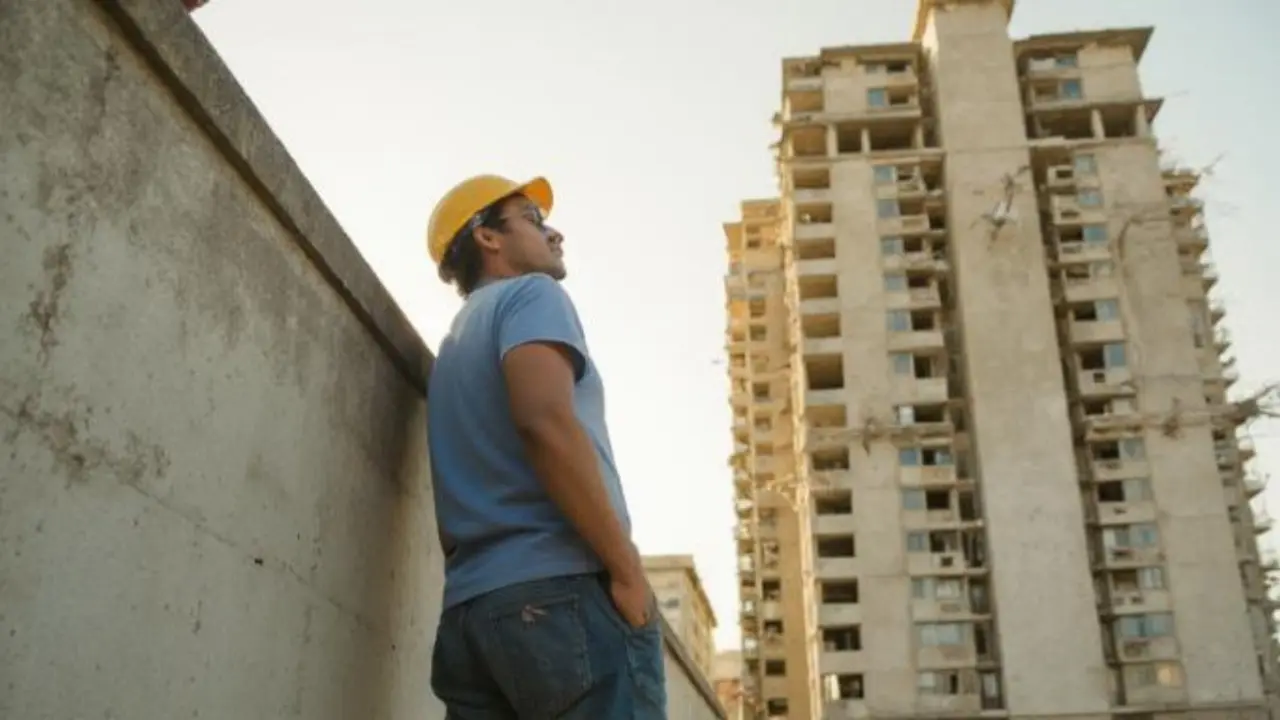
Back-Friendly Tested: Anti-fatigue midsoles, firm arch/heel control, and slip-resistant traction evaluated on real concrete shifts.
Skip to #1 pick — FuruianIf you’re searching for the best work boots for back pain, you’re likely dealing with concrete floors, long shifts, and lower-back fatigue that builds through the day. The right boots reduce heel impact, support the arch, and keep your stride stable so less stress travels upward into the lower spine.
If most of your pain shows up after standing on hard floors, review our guide to work boots for standing on concrete floors. If sore feet are part of the same pattern, see our guide to safety boots for feet in pain.
Below, we compare back-friendly work boots by shock absorption, arch support, heel stability, weight, and long-shift comfort.
Why Trust This Guide
- Evaluated using shock-absorption, arch support, and heel stability criteria.
- Incorporates feedback from construction crews, warehouse workers, and tradespeople working long concrete-floor shifts.
- Safety specifications verified against ASTM F2413 and EH ratings where applicable.
- Updated twice per year to reflect product changes and worker feedback.
Who These Boots Help Most
- Workers standing or walking on concrete floors for long shifts
- Construction, warehouse, and service workers dealing with lower-back fatigue
- People who need anti-fatigue midsoles and stable arch support
- Anyone experiencing back strain from standing all day at work
These boots are best for load management, alignment, and fatigue reduction. They are not a replacement for medical care if pain is severe, radiating, or linked to loss of strength.
Looking for more options across different trades and safety requirements? Browse our full guide to the best work boots for demanding jobs to compare safety toes, wedge soles, waterproof builds, and concrete-ready designs.
What Are the Best Work Boots for Back Pain in 2026?
Quick Answer
The best work boots for back pain use anti-fatigue midsoles, firm arch support, and stable heel platforms that absorb impact from standing or walking on concrete floors during long work shifts. Boots designed for concrete floors and warehouse work typically include shock-absorbing midsoles, removable insoles for orthotics, and lighter safety toes that reduce fatigue during 8–12 hour workdays.
- Anti-fatigue midsoles
- Firm arch support
- Stable heel platform
- Orthotic-friendly design
Work Boots for Back Pain — What to Prioritize
Back-friendly work boots manage the chain from foot strike to lower spine. The goal is controlled cushioning, stable alignment, and enough support to reduce fatigue over long concrete shifts.
What Reduces Back Strain
- Anti-fatigue midsoles: reduce repeated heel impact on hard floors.
- Firm arch support: helps limit overpronation that can affect hips and lower back.
- Stable heel control: keeps your stride from wobbling under load.
What Matters on Long Shifts
- Wedge or rocker soles: improve stability and smoother movement on concrete.
- Orthotic-friendly depth: leaves room for supportive inserts.
- Lower boot weight: reduces cumulative fatigue across 10–12 hour workdays.
Real Worker Problems That Cause Back Pain
Back pain at work rarely starts in the spine. It usually begins with repeated impact from hard surfaces, poor arch support, or unstable footwear that forces the body to compensate throughout the day.
- Standing on concrete all day creates constant heel-strike impact.
- Arch collapse or overpronation shifts alignment through the knees and hips.
- Heavy or unstable boots increase fatigue across long shifts.
- Worn-out midsoles stop absorbing shock after months of daily use.
That’s why the boots in this guide focus on anti-fatigue midsoles, stable heel platforms, and orthotic-friendly designs that reduce stress traveling up the body.
Match Your Symptoms to the Right Features
| Problem | Prioritize | Good Matches |
|---|---|---|
| Lower-back ache on concrete | Anti-fatigue EVA/PU, wedge or rocker sole, posted insoles | Blundstone 510, 1460 SR |
| Overpronation / flat feet | Firm arch, locked heel counter, orthotic-friendly design | Blundstone 510 |
| Standing still for hours | Rocker sole, cushioned forefoot, lighter weight | Dansko Professional |
| Heavy lifts / uneven sites | Lighter safety toe, shock-absorbing midsole, puncture plate | Furuian Steel Toe |
- Furuian Steel Toe: best overall safety + back relief
- Blundstone 510: long indoor standing on concrete
- Dr. Martens 1460 SR: service/urban grip + support
- Skechers Burgin-Tarlac: budget safety with cushioning
- Dansko Professional: rocker comfort for healthcare
Choose in 60 Seconds
| If you need… | Go to |
|---|---|
| Maximum safety with back support | Furuian Steel Toe |
| All-day standing comfort | Blundstone 510 |
| Service industry traction | Dr. Martens 1460 SR |
| Budget steel-toe comfort | Skechers Burgin |
| Healthcare long-standing support | Dansko Professional |
Comfort Technology That Helps Reduce Back Pain
- Anti-fatigue midsoles: reduce repeated heel impact during long shifts.
- Wedge soles: create a broad, stable platform on concrete floors.
- Rocker soles: promote smoother stride and reduce lumbar strain.
- Orthotic-friendly footbeds: allow custom arch support for alignment.
- Shock-absorbing heels: help prevent impact from traveling up the spine.
Comparison Table
Best Work Boots for Back Pain
Use this table to compare back-friendly work boots by support style, best use case, and price.
| Boot | Why it’s good | Best For | Price |
|---|---|---|---|
| Best Overall Furuian Steel Toe | Lightweight safety build with shock absorption and puncture protection. | Job-site safety + back relief. | |
| Best Indoor Blundstone 510 | Stable pull-on boot with arch support and removable footbed. | Standing all day indoors. | |
| Best Service Dr. Martens 1460 SR | Anti-fatigue footbed with slip-resistant indoor traction. | Service and urban work. | |
| Best Budget Skechers Burgin-Tarlac | Budget steel toe with cushioning and EH-rated protection. | Factory and warehouse floors. | |
| Best Healthcare Dansko Professional | Rocker sole, firm arch, and stable heel counter. | Healthcare and lab standing. |
Full Reviews Below
How These Back-Friendly Work Boots Compare in Real Use
The table gives you the quick shortlist. The full reviews below explain how each boot handles shock absorption, arch support, heel control, break-in, safety ratings, and long-shift comfort.
Furuian Steel Toe — Best for Job-Site Safety with Back Relief
Best For: construction and demo crews needing ASTM F2413 toe + puncture resistance without heavy, back-taxing weight.
Steel protection with a Kevlar plate underfoot keeps hazards out, while the lighter build and shock-absorbing midsole reduce spinal fatigue on rough sites.
Field notes: “On a demo floor with scattered screws, the Kevlar plate earned its keep. By hour 9 the stock insole felt thin, but swapping in a posted insert took the sting out of concrete.”
Key Features:
- ASTM steel toe; Kevlar puncture-resistant midsole
- Slip/oil-resistant outsole for dusty concrete
- Breathable lining; lightweight chassis
Pros
- Lighter than many steel-toe options
- Underfoot plate adds confidence on debris
- Good platform for orthotic upgrades
Cons
- Stock insole is basic for 10–12 hr days
- Not fully waterproof
- Concrete shifts: add a firmer support insole to stabilize arches and reduce lumbar load.
- Wet sites: treat upper or choose a waterproof model if needed.
Sizing & Fit: True-to-length; standard width. Remove OEM footbed if running thick orthotics.
Best For (recap): lighter-feel job-site safety with ASTM steel toe + puncture plate, plus shock absorption for back relief.
Blundstone 510 — Best for Long Hours on Hard Floors
Best For: standing all day on tile/concrete where arch support, heel stability, and easy on/off matter more than a toe cap.
The elastic-sided pull-on keeps pressure off the instep, while the removable footbed invites custom orthotics for lumbar support. Break-in is brief; durability is excellent for indoor use.
Field notes: “First week felt snug across the instep, then they disappeared on the second shift. With a firm insole, my lower back didn’t bark when shelving for 10 hours.”
Key Features:
- Removable, supportive footbed (orthotic-friendly)
- Water-resistant leather upper
- Slip-resistant outsole; low weight
Pros
- Arch-supportive platform helps posture
- Fast pull-on entry; lightweight feel
- Works well with support insoles
Cons
- No safety toe
- Not ideal for rugged, muddy terrain
- Flat arches: upgrade to a posted insole to curb overpronation.
- Wet floors: keep tread clear to maintain slip rating.
Sizing & Fit: True-to-size; medium volume. Wide feet: consider half-size up.
Best For (recap): long indoor shifts on hard floors—easy pull-on + orthotic-friendly support for lower-back comfort.
Dr. Martens 1460 SR — Best for Service & Urban Work
Best For: bartenders, retail, maintenance—anyone pacing hard indoor floors needing anti-fatigue comfort and grip.
The SR outsole is tuned for slick surfaces, while the ergonomic insole reduces pressure on the lower back. Plan for a short break-in before full shifts.
Field notes: “Break-in was real—two short shifts—then the SR outsole gripped wet tile. Adding a thin support insert made the difference after lunch.”
Key Features:
- Slip-resistant SR outsole
- Anti-fatigue/ergonomic footbed
- Industrial leather upper
Pros
- Great indoor traction
- Comfort layer eases lumbar strain
- Easy-clean leather
Cons
- Not waterproof
- Break-in required
- Concrete marathons: consider adding a firmer support insole after break-in.
- Low volume shoes: remove OEM footbed to prevent toe rub.
Sizing & Fit: True-to-length; medium width. Works with most aftermarket insoles.
Best For (recap): service/urban work on slick tile—SR traction and anti-fatigue comfort; add a thin firm insert as needed.
Skechers Burgin-Tarlac (Steel Toe) — Best Budget Safety for Warehouses
Best For: factory/warehouse workers wanting steel toe, EH safety, and cushioned comfort to reduce back fatigue.
Air-Cooled Memory Foam softens impact while the EH rating covers electrical environments. Not waterproof; leather scuffs faster than premium uppers.
Field notes: “The memory foam is comfy out of the gate. By day three on concrete I wanted a firmer arch—swap fixed it and my back felt steadier.”
Key Features:
- Steel toe (ASTM); EH rated
- Air-Cooled Memory Foam insole
- Slip-resistant rubber outsole
Pros
- Great cushioning per dollar
- Safety coverage for industrial floors
- Comfortable for long shifts
Cons
- No membrane; not ideal outdoors
- Upper scuffs with heavy abuse
- High mileage: rotate pairs so midsoles rebound and maintain support.
- Arch collapse: upgrade to a firmer posted insole to protect alignment.
Sizing & Fit: True-to-size; moderate volume. Remove OEM footbed for thick orthotics.
Best For (recap): budget steel-toe + EH coverage for factories/warehouses with cushioned impact to ease back fatigue.
Dansko Women’s Professional — Best for Healthcare & Long Standing
Best For: nurses and healthcare pros who need rocker-bottom relief, firm arch, and a stable heel for lumbar comfort.
The rocker sole smooths toe-off to reduce lower-back strain while the firm arch resists collapse during static standing. Not a safety-toe boot—prioritize cleanability and support.
Field notes: “Six hours on a med-surg floor, the rocker kept me rolling instead of locking my lower back. Easy wipe-down during spills.”
Key Features:
- Rocker sole eases stride on hard floors
- Firm arch + supportive heel counter
- Durable, easy-wipe leather upper
Pros
- Excellent for posture and alignment
- All-day comfort for clinics/labs
- Simple to sanitize
Cons
- No safety toe
- Fit can feel narrow—try Wide if available
- Toe room: confirm volume if adding thick socks or insoles.
- Slick tile: keep outsoles clean for consistent grip.
Sizing & Fit: Medium volume; some prefer Wide for forefoot splay.
Best For (recap): healthcare and lab standing—rocker sole + firm arch to reduce lumbar strain (no safety toe).
Best Insole Pairings for Back Support
- Furuian Steel Toe → firmer, posted support insoles for concrete floors help stabilize arches and reduce lower-back strain.
- Dr. Martens 1460 SR → thin, firm insert (remove OEM footbed) to keep volume clear under the toe.
- Skechers Burgin-Tarlac → posted support insole if memory foam feels “mushy” by hour 9.
Pro Tips for Reducing Back Pain with Work Boots
- Insole upgrade: add a support insole (posted arch) to limit overpronation on concrete.
- Surface match: wedges feel stable on concrete; lugs for gravel. Stability → better posture.
- Rotation: alternate pairs so midsoles rebound—keeps anti-fatigue effect alive.
- Fit first: a locked heel prevents gait wobble that aggravates the lumbar spine.
- Weight matters: if allowed, pick composite toe over steel to reduce end-of-shift fatigue.
- Workers with arch collapse should consider work boots for flat feet, which provide stronger arch support and improved alignment.
- If knee pain is part of the problem, supportive footwear designed for workers with bad knees can help improve alignment from the ground up.
Anti-Fatigue Work Boots for Long Shifts
Many workers searching for boots for standing all day are actually dealing with the same fatigue patterns that lead to lower-back pain, especially on concrete floors where repeated heel impact travels upward through the spine.
That’s why many modern anti-fatigue work shoes use specialized midsoles designed to reduce impact during long shifts. Construction crews, warehouse workers, and delivery drivers often benefit from shoes built specifically for standing and walking on hard concrete floors.
- Anti-fatigue midsoles reduce repeated heel-strike impact.
- Shock-absorbing platforms protect joints during long shifts.
- Stable heel counters help maintain proper posture.
- Orthotic-friendly insoles improve alignment for workers with flat feet or overpronation.
Fit & Setup Checklist (Back-Saver Basics)
- Remove OEM insole before adding orthotics—prevents toe-cap rub and keeps heel seated.
- Heel-lock test: two-finger room at the instep is usually too loose; tighten or size down.
- Break-in plan: 2–3 short shifts, rotate pairs so midsoles rebound (maintains anti-fatigue).
- Socks matter: thin merino/tech socks manage moisture and improve heel hold.
- Weight wins: where allowed, composite toe often reduces end-of-shift fatigue vs steel.
Back-Friendly Picks by Job
Back pain often shows up in jobs that mix hard floors, lifting, kneeling, stairs, and uneven surfaces. Match the boot to the surface and movement pattern first.
| Job Type | Prioritize | Good Match |
|---|---|---|
| Warehouse / pickers | Lightweight build, flat outsole, anti-fatigue midsole | Blundstone 510 or Skechers Burgin |
| Service / retail | Slip resistance, ergonomic footbed, indoor traction | Dr. Martens 1460 SR or Dansko Professional |
| Construction on concrete | Shock absorption, lighter safety toe, underfoot protection | Furuian Steel Toe |
| Carpentry | Wedge stability, flexibility, kneeling comfort | Carpenter work boots |
| Fire / wildland work | Role-specific protection, ankle stability, terrain grip | Firefighter boots or wildland fire boots |
Care & Maintenance for Back Relief
- Insoles: replace every 6–12 months (or 60–90 days on concrete marathons) to keep arch/heel support lively.
- Rotation: keep two pairs and alternate so midsoles rebound—maintains the anti-fatigue effect.
- Orthotics setup: remove the OEM footbed first; use a runner’s heel-lock lacing for a planted heel.
- Traction check: keep outsoles clear of dust/oil for stable heel landings and posture.
- Micro-breaks: quick calf/hip flexor stretches during shift changes reduce lumbar load.
Safety & Standards
Supportive boots don’t replace PPE. If your site requires ASTM F2413 toe/EH protection, verify the exact model’s markings. Reference: OSHA Foot Protection (29 CFR 1910.136).
- Verify ASTM F2413 toe and EH on the exact variant if your site requires it.
- After insole/orthotic swaps, confirm heel lock and toe clearance before full duty use.
- Break in indoors; exchange if heel rub or arch collapse persists—instability feeds back pain.
Final Verdict
- Best overall for back pain + safety: Furuian Steel Toe
- Best for standing indoors: Blundstone 510
- Best service/urban grip: Dr. Martens 1460 SR
- Best budget safety: Skechers Burgin-Tarlac
- Best healthcare rocker: Dansko Professional
Common Mistakes When Choosing Work Boots for Back Pain
- Choosing soft cushioning without support. Very soft foam can feel comfortable at first but allows the foot to collapse, increasing strain on knees and the lower back.
- Ignoring arch alignment. Workers with flat feet or overpronation often need structured support or orthotic-friendly boots to maintain proper posture.
- Wearing worn-out midsoles. Anti-fatigue cushioning compresses over time. Rotating pairs or replacing boots regularly helps maintain shock absorption.
- Using heavy boots unnecessarily. When safety regulations allow it, composite toe models can reduce overall fatigue compared to steel toe boots.
FAQ — Work Boots & Back Pain
What boot features help lower-back pain most?
Anti-fatigue midsoles, firm arch posting, a stable heel counter, and slip-resistant traction. Rocker or wedge soles improve stability and gait on concrete.
Do insoles actually help with back pain?
Yes—posted support insoles reduce overpronation and improve alignment from feet → knees → hips → lumbar spine.
Steel toe or composite toe for back pain?
Composite is lighter and can reduce fatigue if allowed. Either must meet ASTM F2413 when required.
Can flat feet cause back pain?
Yes. Flat arches can cause overpronation, which shifts alignment through the knees, hips, and lower back. Boots with firm arch support or orthotic-friendly designs help stabilize posture during long shifts.
Are wedge-sole work boots better for back pain than lug soles?
Often on concrete, yes. Wedges create a broad, stable platform that spreads load and reduces micro-tilt at the heel—good for posture. Use lugs for gravel/yard traction.
Do composite toes reduce back fatigue vs steel?
Composite toes are lighter, which can help reduce total daily load. If your site allows it and the boot meets ASTM F2413, composite is a solid pick for long shifts.
What heel-to-toe drop is best for lower-back pain?
Moderate drop (not ultra-low or very high) tends to feel natural and avoids stressing calves or lumbar posture. Most work boots land in a stable, moderate range.
Best boots if I also have flat feet?
Orthotic-friendly models with firm arch posting and a locked heel counter. Start with Blundstone 510 plus a posted insole.
How We Test — Methodology & Scoring
We field-test boots on concrete floors, tile, and mixed indoor sites for 10–12 hour shifts. Scores blend on-foot testing, spec reviews, and user reports. We focus on anti-fatigue midsoles, arch/heel control, stability on concrete, orthotic-friendliness, and slip resistance. Note: This guide is informational—not medical advice.
| Model | Anti-Fatigue (1–10) | Arch/Heel Control | Concrete Stability | Orthotic Space | Break-in |
|---|---|---|---|---|---|
| Furuian Steel Toe | 8.5 | Good | Good | Ample | Short |
| Blundstone 510 | 8.0 | Very Good | Very Good | Good | Short |
| Dr. Martens 1460 SR | 7.8 | Good | Good | Moderate | Medium |
| Skechers Burgin-Tarlac | 7.9 | Moderate | Good | Good | Short |
| Dansko Professional | 8.6 | Very Good | Excellent (rocker) | N/A (fixed) | Short |
Dansko has a fixed footbed; orthotic space not applicable.
About the Author & Testing
Compiled by The Foot Facts with feedback from construction, warehouse, and healthcare pros. We evaluate anti-fatigue midsole performance, arch/heel support, traction on wet/dusty concrete, and long-shift comfort. Fit notes blend spec sheets, user reports, and wear-testing where noted.
If your lower back feels steady when you clock out, the boots did their job.