
How to stretch work boots — safer ways to ease a tight toe box, snug instep, stiff heel, or narrow shaft without wrecking the leather, weakening the structure, or turning a bad fit into a worse one.
Evaluated for stretch-safe materials, pressure-point relief, toe-box adjustment, heel fit, shaft flexibility, and when stretching helps versus when the boot is simply the wrong shape.
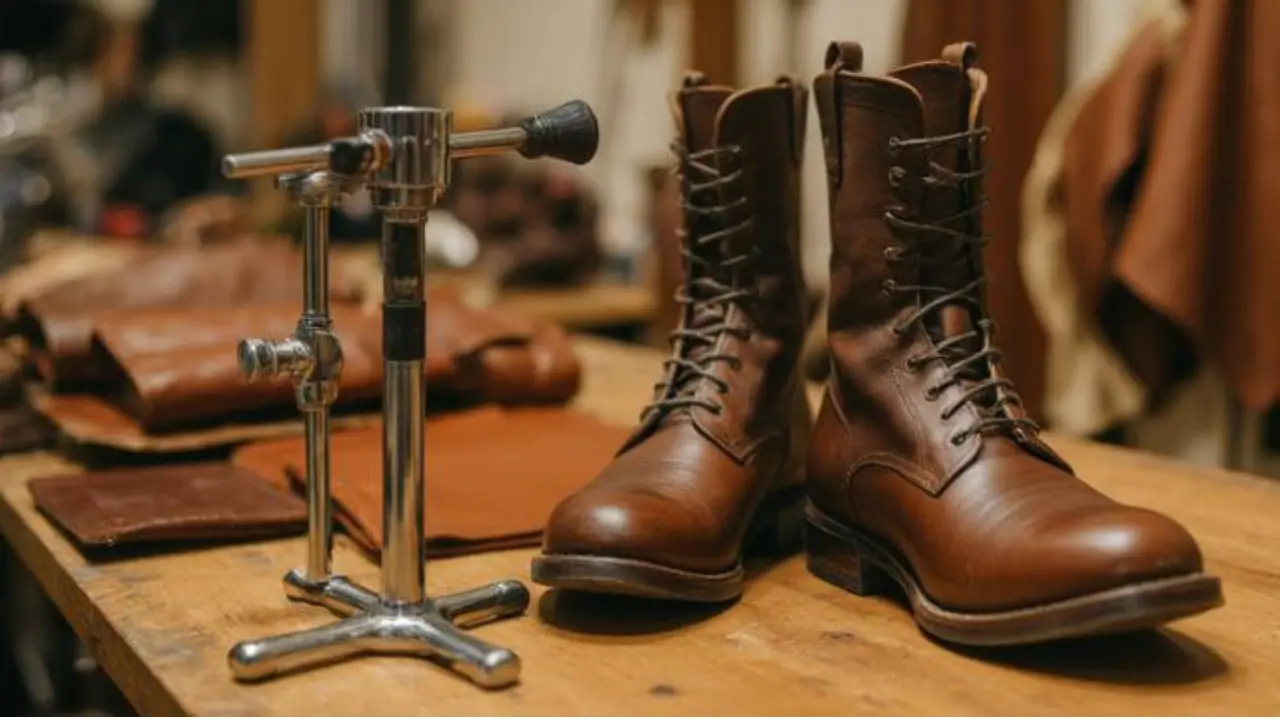
Stretching Guide: Built for workers trying to relieve one tight spot without damaging the boot or forcing a pair that was never the right fit to begin with.
Skip to quick answerSometimes a boot is almost right. The length works, the heel feels decent, but the toe box pinches, the instep presses down, or one side rubs harder than it should. This guide explains how to stretch work boots safely, where stretching can genuinely help, and when it is smarter to stop fighting the boot and return it.
Stretching can help with a specific tight spot, but it is only one part of the early comfort puzzle. If you want the bigger picture on socks, conditioner, wear time, and hot-spot control, see our guide on how to break in work boots.
Why Trust This Guide
- Covers leather, synthetic, and safety-toe stretching separately where needed.
- Built around real fit problems workers run into: tight toe boxes, snug insteps, heel pressure, and shaft discomfort.
- Focuses on safe stretching methods rather than damaging hacks.
- Updated twice per year to keep fit and stretching guidance current.
What Is the Best Way to Stretch Work Boots?
Quick Answer
The best way to stretch work boots is to start with controlled wear, then use a proper boot stretcher or stretching spray only if one area still feels too tight. Leather boots usually stretch better than synthetic ones, but stretching works best for small pressure-point fixes, not major size mistakes. If the length, arch, or safety-toe shape is wrong, stretching usually will not solve the real problem.
- Stretch only where needed
- Leather responds better than synthetic materials
- Use boot stretchers for targeted relief
- Do not expect stretching to fix a wrong size
When Stretching Helps and When It Will Not
Stretching helps most when the boot is basically the right size but has one pressure point that needs easing. Common examples are a slightly tight toe box, a snug instep, a stiff shaft, or a small sidewall pinch that shows up only after a few wears.
Stretching will not fix a boot that is too short, badly shaped for your arch, too narrow through the whole forefoot, or wrong around a safety toe. It also will not rescue a heel cup that never grips properly. When the shape is wrong, more stretching usually just wastes time and makes returns harder.
Normal Break-In vs a Stretching Problem
| What You Feel | Usually Break-In | Usually Needs Stretching or Return |
|---|---|---|
| Mild stiffness at the flex point | Yes | No |
| One tight spot over the toe box or instep | Sometimes | Possibly |
| Sharp pressure from a safety toe edge | No | Often a shape mismatch |
| Whole boot feels cramped front to back | No | Usually wrong size |
| Heel rubbing from one rigid seam | Sometimes | Maybe, depending on fit |
| Boot feels slightly better with each wear | Yes | No concern |
How to Stretch Work Boots Safely
- Confirm the problem first. Identify whether the issue is the toe box, instep, heel, shaft, or overall width.
- Start with normal wear and good socks. Some tightness improves naturally once the upper starts moving.
- Use a proper stretcher if one spot still feels wrong. Targeted tools work better than random DIY force.
- Use stretching spray only if appropriate for the material. Match the product to leather or synthetic uppers.
- Stretch gradually. Small controlled adjustments are safer than trying to force a big overnight change.
- Test the fit again before repeating. Overstretching can ruin lockdown and create new problems.
How to Stretch Leather Work Boots
Leather is the most responsive material for stretching because it softens and adapts over time. That does not mean you should flood it, bake it, or attack it with gimmicks. Controlled stretching works better and keeps the boot usable long-term.
- Wear them for short sessions first. Leather often loosens naturally at pressure points.
- Use leather stretching spray or conditioner lightly. Focus only on the area that needs help.
- Use a boot stretcher overnight if needed. Especially useful for toe-box or forefoot pressure.
- Condition afterward if the leather dries out. That helps preserve flexibility.
If your boots are stiff all over rather than tight in one spot, the better answer may be break-in, not stretching. See our guide on how to break in work boots for the safer full-boot approach.
How to Stretch Synthetic or Non-Leather Work Boots
Synthetic materials usually do not stretch as much as leather, and when they do, the results are often smaller and less permanent. That means you need to be more realistic. Minor relief is possible. Full reshaping usually is not.
- Use only synthetic-safe stretching spray.
- Use a stretcher gently and gradually.
- Do not expect large size changes.
- Stop early if the upper is fighting back. Forcing synthetic materials often damages them before they meaningfully loosen.
How to Stretch the Toe Box
The toe box is one of the most common problem areas, especially when the boot length is technically right but the forefoot feels too narrow or too low. A toe-box stretcher can help if the pressure comes from the leather or upper shape around the toes.
- Use a toe-box stretcher for targeted width relief.
- Stretch gradually over time.
- Do not expect the protective toe cap itself to change shape.
- Stop if your toes are still being crushed after small adjustments. That usually points to the wrong model or width.
How to Stretch the Instep or Top of Foot Area
Instep pressure often feels like the laces are digging down into the top of your foot or the boot is pressing too hard across the vamp. Sometimes better lacing helps. Sometimes the upper just needs a small amount of controlled give.
- Check your lacing first. Over-tightening often causes avoidable pressure.
- Use a stretcher that opens the forefoot and vamp area gently.
- Wear the boots in short sessions after stretching.
- If the arch placement feels wrong, stretching will not fix that.
How to Stretch the Heel or Shaft Area
Heel discomfort usually comes from one of two things: a seam or rigid counter rubbing, or a heel cup that is simply the wrong shape. Shaft discomfort is more common in pull-ons, western-style boots, and taller leather builds.
- Use heel pads for friction control first. Sometimes the problem is rubbing, not tightness.
- For shafts, use a shaft stretcher if the leather is genuinely too snug.
- Do not overstretch the heel area. Too much give there can make heel slip worse.
If you are dealing with pull-on fit issues specifically, compare our guide to comfortable pull-on work boots so you are not fighting a shape that was never right for your foot in the first place.
Can You Stretch Steel Toe or Composite Toe Boots?
Only partly. You can sometimes stretch the material around the safety toe, but the toe cap itself will not meaningfully change shape. That means relief is limited. If the cap pinches badly across the sides or crushes the top of your toes, the boot may simply be wrong for your foot.
| Boot Type | What Can Stretch | What Usually Will Not |
|---|---|---|
| Steel toe | Leather or upper material around the cap | The steel cap itself |
| Composite toe | Surrounding upper material | The composite cap shape |
| Soft toe | Upper material more generally | Major shape changes if the whole boot is wrong |
If forefoot pressure is a recurring problem, it may be worth comparing softer-feeling alternatives like comfortable steel toe safety shoes or reading our plain-English guide to what a composite toe actually is.
What Not to Do When Stretching Work Boots
- Do not soak boots in water. That damages leather and weakens structure.
- Do not bake them with high heat. Heat can dry leather out, damage adhesives, and ruin the fit.
- Do not force major size changes. Stretching is for adjustment, not transformation.
- Do not attack safety toes aggressively. That can create comfort issues without solving the actual shape mismatch.
- Do not keep stretching a clearly wrong boot. Sometimes the answer is return, not persistence.
When Insoles Help More Than Stretching
Some “tight” boots are not actually too narrow. The real problem is underfoot strain, poor support, or awkward foot positioning inside the boot. Better insoles can sometimes stabilize your foot enough that the upper stops feeling as hostile.
If your discomfort feels more like fatigue, arch pressure, or heel impact than one obvious pinch point, better insoles for safety shoes may help more than more stretching attempts.
When You Should Return the Boots Instead
You should usually stop stretching and return the boots if:
- Your toes are crushed front to back
- The safety toe shape is wrong for your foot
- The heel slips badly even when laced correctly
- The arch or flex point lands in the wrong place
- The boot feels worse each time you wear it
Stretching is useful for small corrections. It is not a reliable fix for a boot that is fundamentally the wrong shape, last, or size.
If you are still early in the return window, it may be smarter to exchange the pair than keep forcing a bad fit. Our guide to the best place to buy work boots compares retailers that make sizing mistakes easier to fix with better returns and fit support.
- Stretch only the area causing trouble. Overadjusting one zone can create new fit problems elsewhere.
- Do not assume safety-toe discomfort will disappear just because the leather softens around it.
- Minor relief is realistic. Full reshaping usually is not.
If you are still figuring out whether the issue is width, toe shape, or overall construction, our guide to types of safety boots can help narrow down what kind of boot you actually need.
Where Stretching Matters Most on the Job
Stretching matters most when one tight area is turning an otherwise solid boot into a problem during long standing hours, stair climbing, delivery work, or hard-surface shifts. Small pressure points become a much bigger issue when you spend 8 to 12 hours moving in them.
If your discomfort is mostly from concrete fatigue, compare our guide to work boots for standing on concrete. If the issue is more about painful forefoot pressure or sore arches, our page on work boots for sore feet can also help you choose a better next pair.
Related Guides
- How to Break in Work Boots
- Work Boot Fit and Foot Health
- Insoles for Safety Shoes
- Comfortable Steel Toe Safety Shoes
- What Is a Composite Toe?
- Most Comfortable Pull-On Work Boots
FAQ — Stretching Work Boots
Can work boots be stretched?
Yes, sometimes. Leather work boots usually stretch the best, especially for small pressure-point adjustments. Synthetic materials usually give less.
How much can leather work boots stretch?
Usually only a modest amount. Stretching can help with width or pressure in one area, but it will not transform a badly sized boot into the right fit.
Can I stretch the toe box of work boots?
Yes, if the pressure comes from the upper around the toes. A toe-box stretcher can help, but safety-toe caps themselves will not really change shape.
Can steel toe boots be stretched?
Only partially. The surrounding leather may give a little, but the steel cap itself will not meaningfully stretch.
Can composite toe boots be stretched?
Only around the cap, not through the cap itself. Relief is usually limited if the cap shape is wrong for your foot.
Should I use heat or water to stretch work boots?
No aggressive heat and no soaking. Those methods can damage the boot and often create more problems than they solve.
What is the safest way to stretch work boots?
The safest method is targeted stretching with the right tool, gradual adjustment, and realistic expectations about what can and cannot change.
Final Verdict
The best way to stretch work boots is to treat stretching as a small fit correction, not a rescue mission. Use controlled methods, target only the area that needs help, and be honest about whether the boot is basically right or fundamentally wrong.
Good stretching can relieve a pressure point. It cannot turn the wrong size, wrong toe shape, or wrong last into the perfect work boot.
About the Author & Testing
Compiled by The Foot Facts using practical fit-adjustment logic from real work boots that were close to right but needed small corrections. We focus on pressure-point relief, material response, safety-toe limitations, and whether a fit issue is actually stretchable or just a bad boot match.
The goal is simple: help workers get relief where stretching can help, avoid damaging shortcuts, and stop wasting time on boots that were never going to fit properly.