
How to break in work boots — safer ways to soften stiff leather, reduce blisters, ease heel rub, and shorten the break-in period without damaging the boot or wrecking your feet.
Evaluated for leather stiffness, toe-box pressure, heel friction, flex-point comfort, break-in speed, and real-world wear on concrete, ladders, steel, and long shifts.
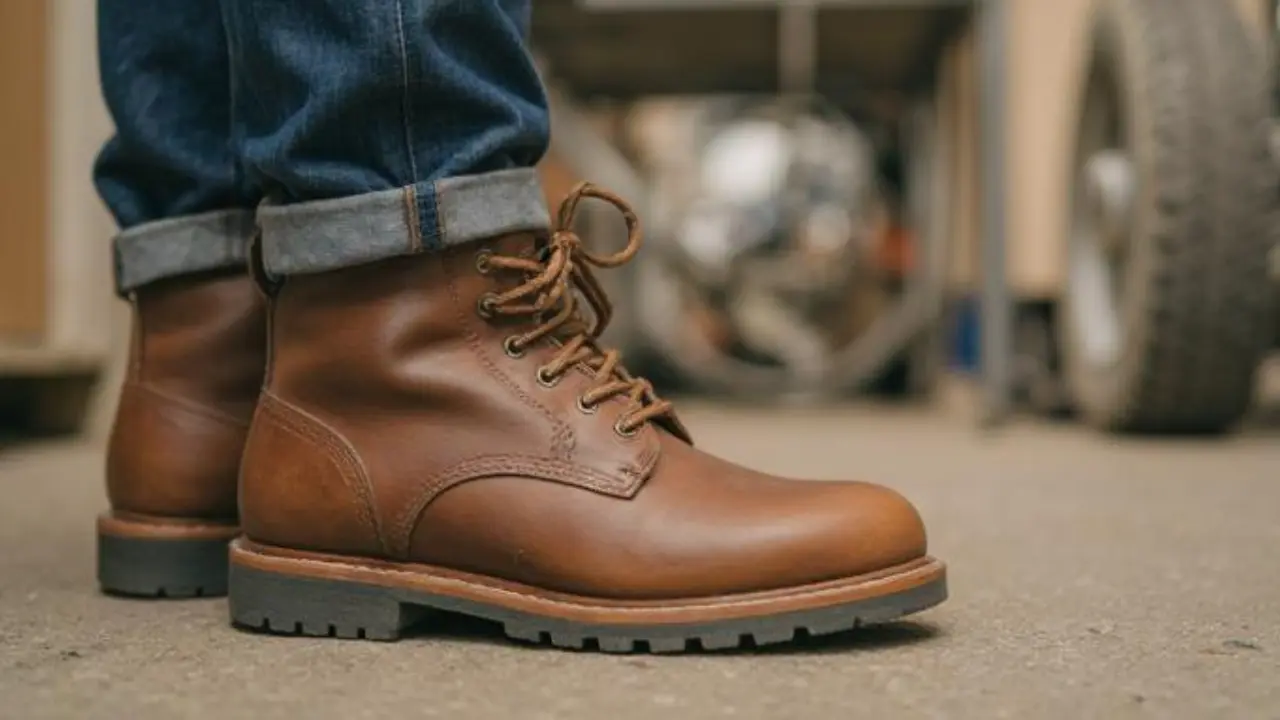
Break-In Guide: Built for workers trying to soften stiff boots, reduce hot spots, and get through the first week without heel rub, toe pain, or wasted time.
Skip to quick answerBreaking in work boots is not just a comfort issue. A stiff boot that rubs your heel, jams your toes, or fights your natural stride can turn a long shift into a miserable one fast. This guide explains how to break in work boots properly, how to shorten the process without damaging the boot, and how to tell the difference between normal break-in discomfort and a boot that simply does not fit right.
If your boots already feel wrong because of sizing, width, or toe-box shape, break-in will only help so much. For broader fitting advice, see our guide to work boot fit and foot health before trying to force a bad pair to work.
Why Trust This Guide
- Covers leather, steel toe, and general work boot break-in separately where needed.
- Built around real break-in problems workers deal with: heel slip, toe pressure, stiff leather, and sore arches.
- Focuses on safe break-in methods rather than gimmicks that damage boots.
- Updated twice per year to keep fit and break-in advice current.
What Is the Best Way to Break in Work Boots?
Quick Answer
The best way to break in work boots is to wear them in short sessions first, soften stiff leather only where needed, use proper socks, and build up wear time gradually instead of jumping straight into full hard shifts. A good break-in should feel better day by day. If the boots keep causing sharp pain, crushed toes, or major heel slip, the fit is probably wrong.
- Start with short wear sessions
- Use conditioner lightly on stiff leather
- Protect hot spots with better socks or heel pads
- Stop if the fit is clearly wrong
Some new boots make a little noise before the leather, tongue, and internal layers settle down, especially in stiffer builds. If you are dealing with new work boots squeaking, this guide helps you figure out whether it is harmless break-in noise or something that actually needs fixing.
Why Breaking in Work Boots Matters
New work boots are often stiff because the leather, padding, insole, and sole construction have not yet adapted to your foot shape or movement pattern. That stiffness can cause heel blisters, pressure over the instep, rubbing at the ankle collar, or soreness underfoot if you try to force a full shift too early.
A properly broken-in boot usually flexes more naturally at the forefoot, grips the heel better, feels less harsh at pressure points, and moves with your stride instead of against it. That matters even more on concrete, ladders, loading docks, steel, and other surfaces where your boots work as hard as you do.
Normal Break-In Discomfort vs a Bad Fit
| What You Feel | Usually Normal | Usually a Bad Sign |
|---|---|---|
| Stiffness at the flex point | Yes | No, unless it causes sharp pain |
| Minor heel rubbing at first | Sometimes | No, if it quickly turns into major blistering |
| Toes lightly brushing the front at first | Sometimes | No, if toes are crushed or curled |
| Numbness, circulation loss, or sharp toe pain | No | Yes |
| Severe heel slip after several wears | No | Yes |
| Boot feels slightly better each wear | Yes | No concern |
| Boot feels worse every day | No | Yes |
How to Break in Work Boots Step by Step
- Start with short wear periods. Wear the boots around the house, in the yard, or on lighter-duty days before trusting them for a full hard shift.
- Use the right socks from day one. Thick, cushioned work socks reduce friction and help you spot fit problems earlier.
- Lace them properly. A lot of heel rubbing comes from loose lockdown, not just stiff materials.
- Condition stiff leather lightly if needed. Focus on the flex zone, ankle bend, and other rigid areas instead of saturating the whole boot.
- Increase wear time gradually. Build from short sessions to half days, then full days if comfort is improving.
- Address hot spots early. Heel grips, moleskin, or thicker socks can prevent small rub points from turning into blisters.
- Stop if pain is clearly structural. Break-in should improve the boot, not rescue a completely wrong fit.
How to Break in Leather Work Boots Safely
Leather boots usually need the most patience, especially if the upper is thick full-grain leather or the boot has a more structured build. The goal is to soften the boot where it needs to move, without weakening the structure that gives it long-term durability.
- Use leather conditioner lightly. Focus on stiff flex zones, not the whole boot in heavy layers.
- Wear them for controlled sessions. Let the leather adapt gradually.
- Do not soak them in water. That old trick can damage shape, stitching, and long-term durability.
- Do not blast them with high heat. Heat can dry the leather out and stress adhesives.
If your new boots are also drying out quickly after exposure to water or mud, follow up later with our guide on how to waterproof work boots once the break-in period settles down.
If the problem is one stubborn pressure point rather than overall stiffness, targeted stretching can help more than endless extra wear time. Our guide on how to stretch work boots covers safer ways to ease a tight spot without wrecking the boot.
How to Break in Steel Toe Work Boots
Steel toe boots often feel harder to break in because the toe box flexes less and the forefoot structure is more rigid. That does not always mean the boot is wrong, but it does mean width and toe shape matter more from the start.
- Check side pressure early. A steel toe that squeezes from day one often stays a problem.
- Do not expect the steel cap itself to stretch. The surrounding materials may soften, but the cap shape will not change much.
- Pay attention to toe height and width. A poor cap shape match can create lasting discomfort.
- Use better socks and insoles if needed. Sometimes break-in pain is really impact or support strain, not just stiffness.
If you struggle with forefoot pressure in safety-toe boots, compare our guides to comfortable steel toe safety shoes and composite toe work boots for lighter or more forgiving alternatives.
How to Shorten the Break-In Period
You cannot eliminate break-in completely on a stiff boot, but you can shorten it safely.
| Method | Why It Helps | Use With Care |
|---|---|---|
| Short wear sessions | Lets the boot adapt gradually | Do not jump straight to full hard shifts |
| Leather conditioner | Softens stiff flex zones | Too much can over-soften or darken leather |
| Thick work socks | Reduces friction and hot spots | Do not use sock thickness to hide a seriously bad fit |
| Heel pads or moleskin | Helps control early rubbing | Best for minor hot spots, not major fit issues |
| Aftermarket insoles | Improves support and impact control | Can reduce internal volume if the boot is already tight |
What Not to Do When Breaking in Work Boots
- Do not soak boots in water. It weakens structure and can shorten life.
- Do not use ovens, clothes dryers, or high heat. That can damage leather and adhesives fast.
- Do not force a painfully tight boot. Break-in does not fix every fit problem.
- Do not trust gimmicks. Most “instant break-in hacks” do more harm than good.
- Do not ignore blisters and sharp pain. That usually means something needs correcting.
How Insoles and Socks Change Break-In Comfort
A lot of break-in pain is not just leather stiffness. It also comes from impact, arch strain, heel movement, and friction. Better socks and better insoles can make the first week much easier.
If your break-in pain feels more like underfoot fatigue than upper stiffness, better insoles for safety shoes can help absorb shock and reduce the punishment on concrete or steel decks. And if your socks are thin or stay wet, switch to work socks that cushion the heel and wick moisture properly.
When a Boot Will Probably Never Break in Right
Some boots are just wrong for your feet. If your toes are crushed, your heel will not lock in, the arch hits in the wrong place, or the safety toe shape is wrong for your forefoot, break-in may improve the feel a little but will not solve the real problem.
This is especially true with narrow steel toes, badly matched widths, or very stiff builds that never line up with your movement pattern. If that is happening, it is usually smarter to return the pair early than keep trying to force it.
- Do not wear painfully stiff new boots straight into long critical shifts if you can avoid it.
- Hot spots and heel rub are warning signs. Fix them early before they become blisters.
- Fit problems around a safety toe usually need sizing or model changes, not just “more break-in time.”
If you are still unsure whether the problem is fit, safety-toe shape, or general construction, our guide to types of safety boots can help you sort out what kind of boot you actually need.
Where Break-In Matters Most on the Job
Break-in matters most when your work involves long standing hours, ladders, constant walking, or awkward foot positions. Concrete shifts punish stiff midsoles quickly, while roofing, steel, delivery, and trade work often expose heel slip or ankle stiffness fast.
If you spend most of your day on hard floors, compare our picks for work boots for standing on concrete. If your pain is more about sore arches or tired feet during break-in, our guide to work boots for sore feet may also help you choose a more forgiving pair next time.
Related Guides
- Work Boot Fit and Foot Health
- Insoles for Safety Shoes
- What Is a Composite Toe?
- Comfortable Steel Toe Safety Shoes
- Best Work Boots for Standing on Concrete Floors
- Best Work Boots for Sore Feet
FAQ — Breaking in Work Boots
How long does it take to break in work boots?
That depends on the leather, sole construction, and fit. Some boots improve after a few wears, while heavier leather builds can take a couple of weeks of gradual use.
What is the fastest safe way to break in work boots?
The safest fast method is short wear sessions, proper socks, light conditioner on stiff leather, and gradual increases in wear time. Avoid soaking or high heat.
Can I use leather conditioner to break boots in faster?
Yes, lightly. Conditioner can help soften stiff leather flex zones, but too much can over-soften or darken the upper.
Do steel toe boots take longer to break in?
Often yes. The extra forefoot structure makes them feel stiffer, and a poor cap shape match can make break-in feel worse than it should.
Should new work boots hurt at first?
Some stiffness and mild rubbing can be normal. Sharp pain, crushed toes, numbness, or worsening discomfort usually mean the fit is wrong.
Can insoles help during break-in?
Yes. Insoles can reduce impact and improve support, especially if your discomfort is more about underfoot fatigue than stiff leather.
Can I break in boots by soaking them in water?
No. That old trick can damage leather, stitching, shape, and long-term durability.
Final Verdict
The best way to break in work boots is to wear them gradually, soften stiff leather only where needed, protect hot spots early, and stop forcing the process if the fit is clearly wrong. Good break-in should make the boot feel more natural with each wear, not more punishing.
Patience matters, but so does honesty. Some boots need time. Some boots need returning. Knowing the difference will save your feet a lot of grief.
About the Author & Testing
Compiled by The Foot Facts using practical break-in logic from real work environments where stiff boots get exposed quickly. We look at leather flexibility, toe-box pressure, heel rub, support strain, and whether comfort improves or keeps fighting back over repeated wears.
The goal is simple: help workers shorten the painful part of the break-in period, avoid damaging shortcuts, and recognize when the boot is the real problem, not their feet.