
Slip resistant work boots explained in plain English — what slip resistance ratings actually mean, which outsole types grip best on wet or oily surfaces, and when traction matters more than toe protection.
Reviewed for outsole materials, tread design, surface contamination risks, warehouse and concrete-floor traction needs, and how grip changes as boots wear down.
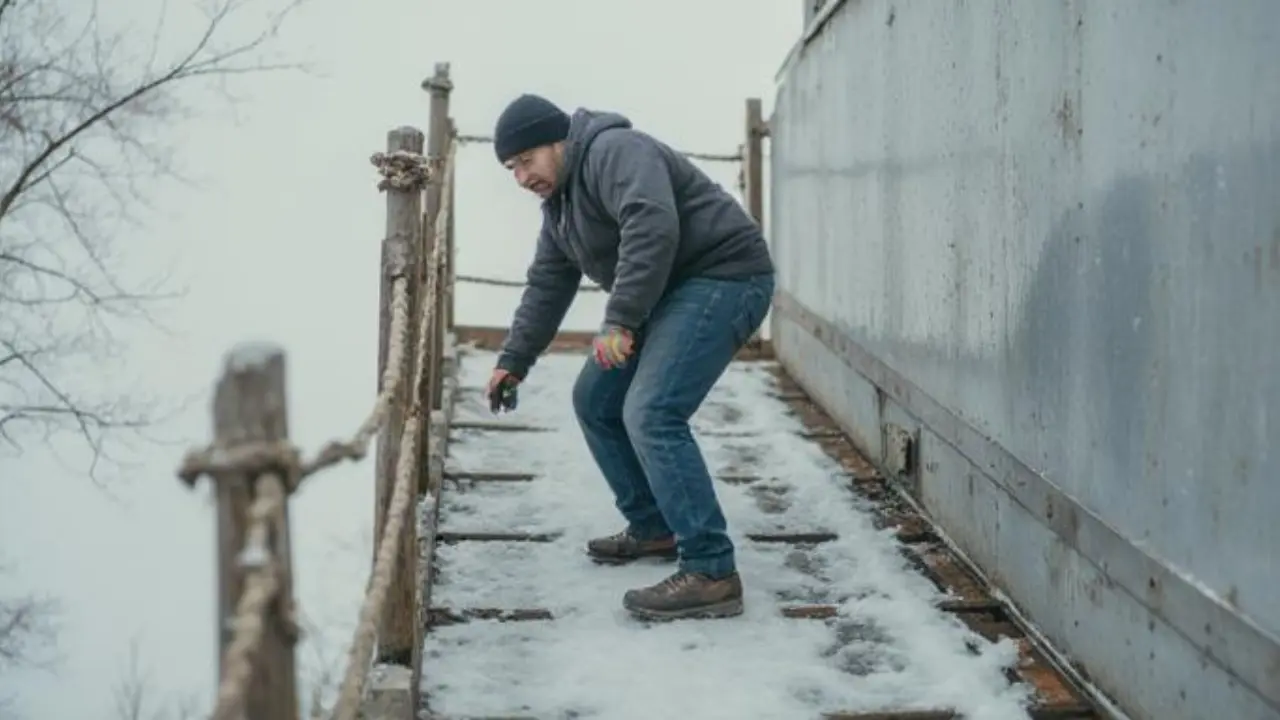
Slip Resistance Guide: Built for workers dealing with wet concrete, oily floors, mud, smooth indoor surfaces, or packed dust where traction loss becomes a safety risk before the boot itself wears out.
Skip to quick answerWhy Trust This Guide
- Built around real slip-risk environments like wet concrete, dusty warehouses, oily shop floors, and smooth indoor surfaces.
- Separates outsole grip, oil resistance, tread design, and surface contamination instead of treating “slip resistant” like one simple label.
- Focuses on how traction behaves in real use, including wear, packed tread, hardened rubber, and changing floor conditions.
- Designed to help readers choose the right traction setup before slips become a safety problem.
What Does Slip Resistant Mean on Work Boots?
Quick Answer
Slip resistant work boots use specialized outsole rubber compounds and tread patterns designed to improve grip on wet, dusty, smooth, or oily surfaces. They reduce the chance of slipping, but no boot can prevent all falls, especially when tread is worn or contamination builds up underfoot.
- Improves traction on smooth surfaces
- Helps stabilize footing on wet concrete
- Reduces sliding on dusty floors
- Depends heavily on outsole condition
Start Here by Surface Type
Traction problems usually come from the surface first, then from the outsole design.
Wet Concrete
Look for softer rubber and strong surface contact. Harder compounds often feel less secure once water films over the floor.
Oily Floors
Choose outsoles that pair traction with oil-resistant compounds. General grip wording alone is not enough here.
Packed Dust
Dust behaves like loose grit underfoot. Tread channels matter because packed soles lose grip quickly indoors.
Mud or Outdoor Sites
Deep lugs clear debris better than flatter indoor soles, but they are not always the best answer on polished surfaces.
Smooth Indoor Floors
Wedge soles and high-contact rubber often perform better than aggressive outdoor tread patterns.
Cold Wet Conditions
Rubber flexibility matters more once temperatures drop. A traction pattern that works in mild weather can feel worse in the cold.
How to Choose the Right Slip Resistant Boot Fast
Fast Match
| If your main issue is… | Start with… | Then check for… |
|---|---|---|
| Wet concrete | Soft rubber outsole with strong surface contact | Wedge vs lug shape, heel wear, and indoor comfort |
| Oily floors | Oil-resistant rubber compound | Actual traction performance, not just oil-resistance wording |
| Dusty warehouse floors | Outsole channels that clear fine debris well | Packed tread buildup and outsole hardness |
| Outdoor mud and debris | Lug outsole | Self-cleaning tread depth and flexibility |
| Indoor smooth floors plus long standing | Wedge sole or flat-contact outsole | Cushioning, fatigue, and site safety-toe rules |
Slip Resistant vs Oil Resistant vs SRC Ratings
Quick Reference
| Label | What It Means | Best For |
|---|---|---|
| Slip Resistant | General traction-focused outsole design | Everyday warehouse and indoor work |
| Oil Resistant | Rubber compound resists breakdown from petroleum exposure | Mechanical shops and industrial floors |
| SRC Rated | Tested on wet tile and steel surfaces under lab conditions | High-risk indoor slip environments |
If you want to see how slip resistance fits alongside ASTM hazard markings like EH, PR, and Mt, our guide to work boot safety standards explains how those labels work together on real footwear.
What ASTM F3445 Slip Resistance Means
ASTM F3445 is the newest U.S. traction test standard replacing older slip-resistance labeling approaches.
ASTM F3445 is the modern testing method used to evaluate slip resistance on safety footwear. It measures outsole traction performance on controlled wet surfaces to confirm whether the boot meets minimum grip thresholds for workplace safety environments.
- Applies to slip resistance only, not impact or compression protection.
- Uses standardized wet-surface testing for consistent comparisons between footwear.
- Often appears alongside ASTM F2413 markings on modern safety boots.
- Helps identify traction-tested footwear rather than marketing-only slip resistant labeling.
If you want to understand how this rating fits alongside EH, PR, Mt, and toe protection categories, see our full guide to ASTM safety boot standards.
How Slip Resistance Is Usually Tested
Traction claims often come from controlled lab testing, but real floors still behave differently once dust, oil, water, and wear enter the picture.
Slip resistance is often tested on standardized surfaces such as wet tile or steel under controlled conditions. That helps compare outsoles more fairly, but it does not fully recreate the messier reality of warehouses, shop floors, wet concrete, packed dust, or mixed contamination underfoot.
- Wet tile testing helps show how the outsole behaves on smooth, slick indoor surfaces.
- Steel surface testing can reveal how the sole responds on harder industrial surfaces with less natural grip.
- Lab ratings are useful, but they do not guarantee the same result once tread wears down or contamination builds up.
- Real traction still depends on maintenance, outsole condition, and whether the boot matches the actual floor type.
Slip resistance labels are useful starting points, but they work best when you treat them as part of a bigger safety decision rather than the whole answer by themselves.
Outsole Types That Improve Grip
Slip resistance comes from a mix of rubber compound, tread shape, and how much outsole stays in contact with the floor.
Soft Rubber
Usually grips wet concrete and smooth indoor floors better than harder, longer-wearing compounds.
Nitrile Rubber
Useful around oils and heat, especially where the outsole needs to hold up under tougher industrial exposure.
TPU Outsoles
Durable and long-wearing, but not always the best performer on smooth wet surfaces.
Wedge Soles
More surface contact indoors, often helpful on concrete, smooth floors, and long standing shifts.
Lug Soles
Better for mud, gravel, and outdoor terrain, but not always the best choice for polished indoor surfaces.
Siped Patterns
Fine cuts in the outsole can improve grip on wet surfaces by helping the sole flex and channel water.
If you spend most of the day on hard indoor surfaces, outsole shape affects fatigue as well as traction. Our guide to work boots for concrete floors explains how wedge soles change stability and comfort over long shifts.
Outsole Grip Cheat Sheet
Quick Reference
| Outsole Type | Usually Best On | Usually Weaker On |
|---|---|---|
| Wedge Sole | Smooth indoor floors, concrete, long standing shifts | Mud, loose gravel, outdoor debris |
| Lug Sole | Mud, gravel, mixed outdoor terrain | Polished indoor floors, smooth wet tile |
| Siped Rubber | Wet smooth surfaces, damp indoor floors | Heavy packed debris if channels clog up |
| Harder TPU Style Outsole | Abrasion-heavy work, longer outsole life | Smooth wet concrete and slick polished floors |
Jobs Where Slip Resistance Matters Most
Traction becomes a primary feature when the surface itself creates more risk than the impact hazard.
| Job Type | Why Traction Matters | Usually Best Starting Point |
|---|---|---|
| Warehouse and picking | Smooth floors, dust, long walking routes, fast turning | Lightweight traction-focused outsole |
| Delivery routes | Wet steps, pavement changes, repeated van entry | Slip-resistant flexible outsole |
| Food service and kitchens | Wet tile, grease, smooth indoor floors | High-contact rubber outsole |
| Indoor construction finishing | Dust, smooth surfaces, mixed indoor debris | Slip-resistant outsole with job-appropriate toe protection |
| Wet utility maintenance | Moisture, concrete, metal walkways, unstable footing | Traction plus site-required safety package |
If your job also involves impact hazards, electrical risk, or puncture exposure, our guide to types of safety boots explains how traction fits into the wider safety boot protection system.
Why Work Boots Lose Traction Over Time
Most traction loss happens gradually as the outsole wears, hardens, or gets packed with contamination.
- Packed tread reduces contact with the floor
- Heel wear shifts your stance angle
- Rubber hardens as boots age
- Oil contamination coats the outsole surface
- Dust fills tread channels and acts like loose gravel
If traction is getting worse even though the boots still look usable, our guide to work boot care and maintenance explains how cleaning and inspection habits directly affect traction performance.
Signs Your Work Boots Are Losing Grip
Many boots stop feeling safe underfoot before the upper looks worn out.
- Heel edges are rounding off and the boot no longer lands evenly.
- Tread channels stay packed with dust, slurry, or oily residue.
- The outsole looks smoothed over in the highest-contact zones.
- Rubber feels harder than before, especially on older boots exposed to heat and repeated drying.
- You notice slipping during pivots or quick direction changes even on surfaces that used to feel manageable.
Common Slip Resistance Buying Mistakes
The biggest mistakes usually come from trusting labels more than surfaces, wear patterns, or real job conditions.
- Assuming oil resistant means high traction. Oil resistance and slip resistance are related, but not the same thing.
- Choosing outdoor lug soles for smooth indoor floors. Deeper tread is not automatically better on polished surfaces.
- Ignoring outsole wear. Traction can disappear before the upper looks finished.
- Buying for the label instead of the floor. Wet concrete, dust, grease, and mud all need different outsole behavior.
- Treating slip resistance as permanent. Contamination, hardened rubber, and heel wear all reduce grip over time.
Which Jobs Need Slip Resistance Most?
Some jobs need traction as a core safety feature, not just a nice extra.
| Job Type | Why Traction Matters | Best Starting Point |
|---|---|---|
| Warehouse Picking | Smooth floors, dust, fast pivots, long walking routes | Lightweight outsole with strong indoor grip |
| Delivery Work | Wet steps, pavement changes, repeated van entry and exit | Flexible slip-resistant sole with stable heel contact |
| Food Production or Kitchens | Smooth wet floors, grease, fast movement in tight spaces | High-contact rubber outsole |
| Plant or Shop Maintenance | Mixed surfaces, oils, metal walkways, moisture exposure | Slip-resistant outsole with job-required safety package |
| Indoor Construction Finishing | Dust, smooth floors, changing surfaces, indoor debris | Grip-focused outsole matched to site toe requirements |
When Slip Resistance Matters More Than Safety Toe Protection
On some jobs, losing traction is the more immediate risk.
Indoor concrete floors, food-service environments, and wet warehouse surfaces often make outsole grip the priority feature. On those jobs, the safest boot is not always the heaviest or the most aggressively lugged. It is the one that actually keeps stable contact with the floor you work on every day.
- Warehouse picking floors
- Delivery routes with wet entryways
- Food-service safety footwear
- Utility maintenance environments
- Indoor construction finishing work
If your job still requires toe protection alongside traction, our guide to types of safety boots explains how protection categories combine in real-world safety footwear.
If moisture exposure is part of your work environment, compare our guide to best waterproof work boots to see how waterproofing and grip interact in real use.
FAQ
Common questions about slip resistant work boots, outsole grip, and what these labels really mean in daily use.
Are slip resistant work boots actually non-slip?
No. Slip resistant boots improve traction, but no boot can completely prevent slipping. Wet contamination, worn tread, and the wrong outsole for the surface can still lead to falls.
Are oil resistant boots the same as slip resistant boots?
No. Oil resistant refers to how the outsole material holds up around petroleum exposure, while slip resistant refers to traction performance. A boot can be one, both, or neither depending on the outsole design and testing.
Do wedge soles improve traction?
Often yes on smooth indoor floors and concrete, because wedge soles create more surface contact. They are usually less effective than deep lugs in mud, gravel, and loose outdoor terrain.
Do worn boots lose slip resistance?
Yes. As tread wears down, heels cup out, or dust and oil stay packed into the outsole, traction drops. A boot can still look usable from above while the outsole is already much less stable. If heel wear or packed tread are already visible, our work boot care guide shows how to check whether traction loss is reversible or a replacement signal.
Are slip resistant boots required on construction sites?
Sometimes, but it depends on the employer, task, and site PPE rules. Many jobsites care more about toe protection, puncture resistance, or EH ratings first, while some indoor or wet-surface roles place more emphasis on traction.
What outsole works best on wet concrete?
Soft rubber outsoles with strong surface contact usually grip better on wet concrete than harder compounds. Tread design matters too, especially if dust, slurry, or oil are involved.