
Your go-to library for understanding safety standards, fit, and care — so every pair of boots works as hard as you do.
Updated February 2026
The right boots do more than cover your feet — they protect against impact, puncture, electrical hazards, and slips while keeping you comfortable through long shifts. This work boot resource hub brings together safety boot types, ASTM standards explained, fit guidance, foot health advice, and care tips so you can choose the right work boots by trade and make them last longer on the job.
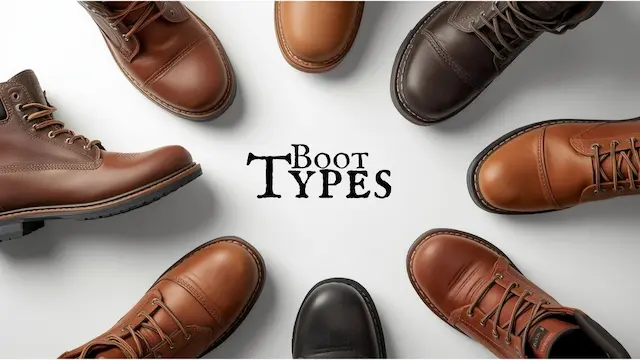
Types of Safety Boots 2026 Guide
Steel, composite, alloy, EH-rated, waterproof & more — explained in plain English with job-based guidance.
Read the guide →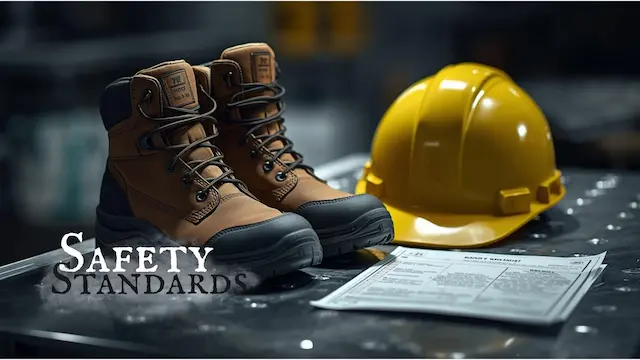
Boot Safety Standards (ASTM / ANSI / EH)
Plain-language breakdown of ASTM F2413, legacy ANSI, EH, PR and more — what each code means on site.
View standards →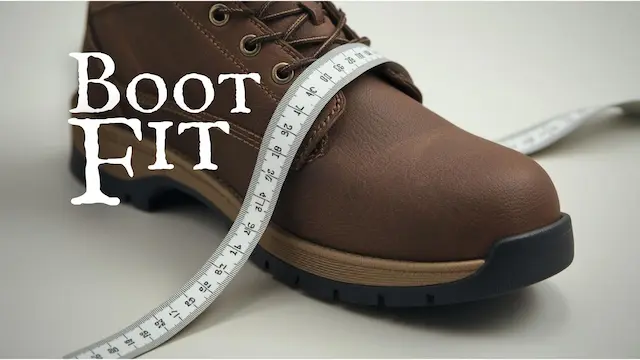
Work Boot Fit & Foot Health Guide
Widths (D/EE/EEE), break-in, blister prevention, insoles, and considerations for plantar fasciitis & diabetes.
Check fit tips →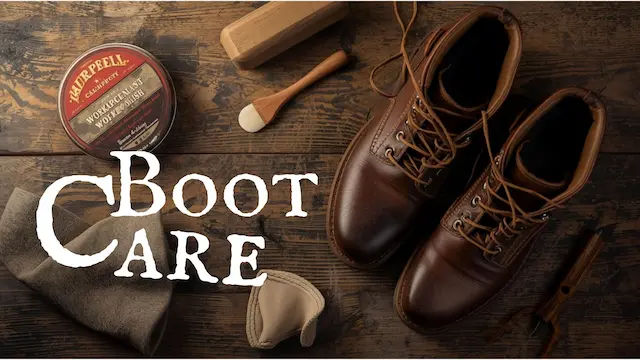
Work Boot Care & Maintenance
Cleaning, drying, waterproofing, conditioning, resoling — plus a simple “replace or repair” checklist.
Care guide →
Work Boots by Trade — All Guides
Construction, roofing, warehouse, trucking, railroad & more — our most-requested roundups in one place.
Browse trades →
Work Boot Glossary (A–Z)
Clear definitions for welt, EH, shank, met guard, outsole compounds, ASTM codes, and more.
View glossary →How to Use This Work Boot Resource Hub
Start with hazards first. If your site requires ASTM-rated protection, review our safety standards guide. If foot pain or long concrete shifts are your main issue, begin with the fit and foot health guide. For extending boot life, jump to care and maintenance. And if you’re unsure what terms like EH, PR, welt, or shank mean, the glossary breaks them down clearly.
This page acts as the central knowledge base for The Foot Facts — connecting every trade-specific guide, safety explanation, and comfort deep dive in one place.