
Best wildland fire boots for fireline crews — NFPA 1977 certified options, hotshot-ready leather builds, Danner comparisons, and the most comfortable boots for long shifts in steep terrain.
Evaluated for NFPA 1977 compliance, steep-terrain stability, heat-rated outsole performance, break-in demands, and long-shift fireline comfort.
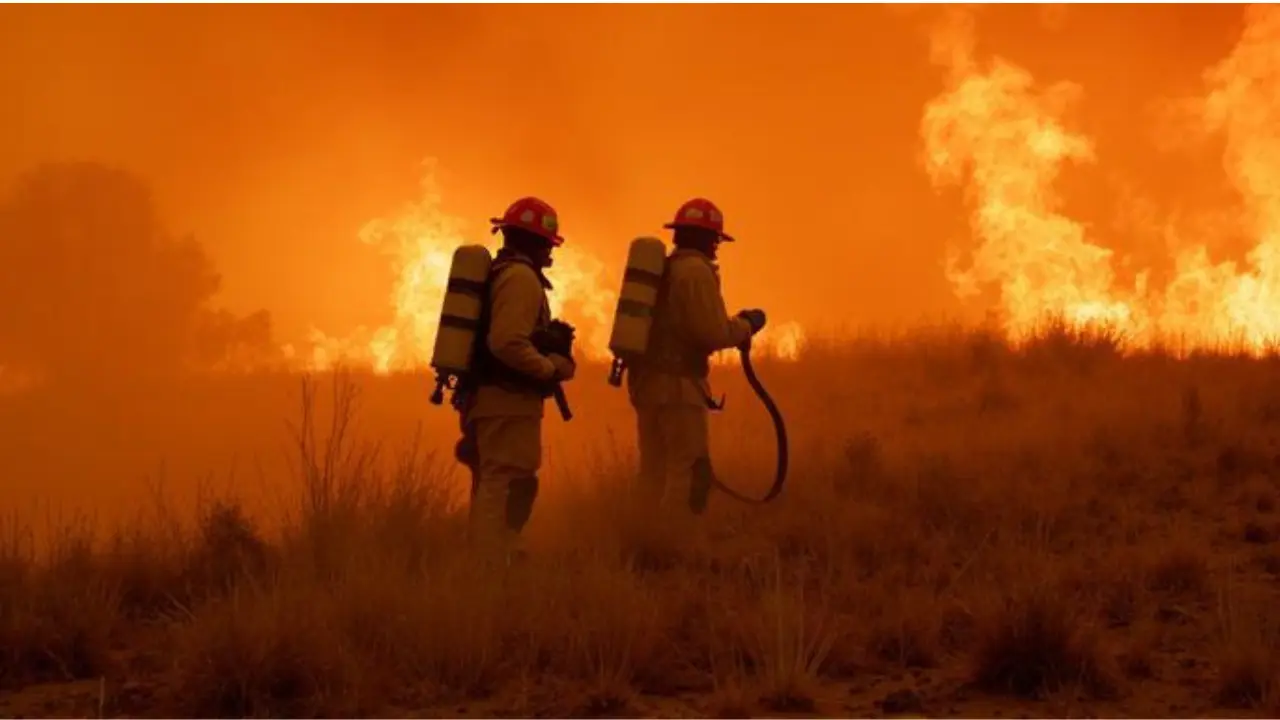
Fireline-Tested: Boots evaluated for steep terrain, ash, loose rock, 14–16 hour shifts, and NFPA 1977 compliance where required.
Skip to top certified pick — HAIXThe best wildland fire boots for fireline crews are built for steep terrain, hot ash, loose rock, and 14–16 hour fireline shifts. Unlike structural bunker boots, wildland firefighter boots must balance flame resistance with long-distance hiking performance.
Most crews wear either NFPA 1977 certified wildland boots or agency-approved full-grain leather fireline boots with heat-rated Vibram outsoles. The right choice depends on certification requirements, terrain, and crew policy.
This guide is for: Hotshot crews, hand crews, state and federal wildland firefighters needing durable 8–10 inch leather boots with heat-rated traction.
Why Trust This Guide
- Evaluated using fireline-specific criteria including heat-rated traction, ankle stability, and long-shift fatigue.
- Built around real wildland job conditions such as steep terrain, loose rock, ash, and extended hiking under load.
- Certification status reviewed where relevant, including NFPA 1977 compliance and agency-approved alternatives.
- Updated regularly to reflect current fireline boot options and field-use feedback.
What Are the Best Wildland Fire Boots in 2026?
Quick Answer
The best wildland fire boots combine 8 to 10 inch leather uppers, heat-rated outsoles, strong ankle support, and enough structure for long shifts on steep terrain. Crews who need formal compliance should focus on NFPA 1977 certified models, while others may choose agency-approved leather fireline boots based on terrain, fit, and break-in tolerance.
- NFPA 1977 certification where required
- Heat-rated outsole traction for ash and rock
- Strong ankle stability for steep slopes
- Long-shift support for fireline fatigue
Best Wildland Fire Boots (Top Picks)
Below are our top picks for the best wildland fire boots based on certification status, terrain stability, break-in time, and long-shift comfort on active fireline assignments.
| Boot | Certification | Height | Outsole | Best For | |
|---|---|---|---|---|---|
| HAIX Missoula 2.1 | NFPA 1977 | 8″ | Heat-resistant rubber | Certified compliance + comfort | Check Price |
| Kenetrek Wildland | Agency Approved | 10″ | Vibram Fire & Ice | Steep terrain stability | Check Price |
| SCARPA Fuego | Agency Approved | 8″ | Vibram heat-rated | Lightweight mountain terrain | Check Price |
| Danner Flashpoint II | NFPA 1977 (select models) | 10″ | Vibram fire-rated | Durability + traditional build | Check Price |
Who These Boots Are For
- Wildland firefighters working steep terrain, ash, loose rock, and long fireline shifts
- Hotshot crews and hand crews needing 8 to 10 inch leather boots with strong ankle support
- Buyers comparing NFPA 1977 certified boots with agency-approved fireline alternatives
- Firefighters who need terrain stability and long-distance support more than soft out-of-box comfort
Who These Boots Are Not Ideal For
- Structural firefighters needing NFPA 1971 bunker-style protection
- Users wanting lightweight station-duty footwear for non-fireground tasks
- Workers spending most of the shift on smooth indoor concrete rather than steep outdoor terrain
- Anyone who wants soft, low-break-in footwear above all else
If you need broader structural, station, and wildland comparisons in one place, see our guide to firefighter boots by duty type.
These selections represent the best wildland firefighter boots available in 2026 based on certification status, terrain stability, and long-shift durability. Individual preference and agency requirements should always guide final selection.
What Boots Do Wildland Firefighters Wear?
Wildland firefighters wear 8 to 10-inch tall full-grain leather boots with heat-resistant outsoles. Most crews choose either NFPA 1977 certified wildland boots or agency-approved leather fireline boots built for steep terrain, loose rock, and extended 14–16 hour shifts.
- NFPA 1977 certified wildland boots
- Agency-approved leather fire boots (non-certified but widely adopted)
- Mountaineering-style leather boots with Vibram fire-rated outsoles
Most wildland crews prioritize durability, ankle support, and heat-rated traction over insulation.
NFPA 1977 Wildland Boot Standards Explained
In short: NFPA 1977 sets minimum requirements for height, flame-resistant materials, and heat-rated outsole performance for wildland firefighting boots.
NFPA 1977 is the standard that governs protective clothing and equipment for wildland firefighting. It differs from structural firefighter standards and focuses specifically on mobility, heat exposure resistance, and flame-resistant materials suitable for extended outdoor fireline operations.
Minimum Height Requirement
Under NFPA 1977 boot standards, wildland firefighter boots must meet a minimum height requirement, typically at least 8 inches. Many crews prefer 8 to 10 inches for added ankle stability on steep, uneven terrain.
Height supports lateral stability during downhill travel and reduces ankle rollover risk when carrying heavy packs.
Flame-Resistant Materials
NFPA 1977 wildland boots must be constructed from flame-resistant materials. In practice, this usually means full-grain leather with minimal exterior synthetics and heat-resistant construction.
- Full-grain leather uppers
- Minimal synthetic exposure on exterior surfaces
- Heat-resistant stitching and construction
Wildland boots focus on extended exposure resistance and mobility rather than the heavy protection needed for interior structural firefighting.
Heat-Resistant Outsole Construction
A core requirement of NFPA 1977 wildland boots is a heat-resistant outsole capable of handling elevated ground temperatures on the fireline.
Most certified models use fire-rated Vibram compounds or comparable rubber designed to resist softening and glazing when exposed to hot ash, burned soil, or prolonged radiant heat.
Outsole integrity matters for traction. Once glazing occurs, downhill control can be compromised.
Impact & Compression Protection — Steel Toe Clarification
One common question is whether NFPA 1977 boots require steel toe protection.
In most wildland operations, steel toe is not mandatory. Many agencies prioritize flexibility, reduced weight, and terrain performance over impact-rated toe caps. Some NFPA 1977 boots include protective toe reinforcement, but steel toe is typically optional rather than required.
If you are unsure about toe protection differences, see our guide explaining what a composite toe means.
If your department specifies impact or compression ratings in addition to wildland standards, confirm those requirements before purchase.
How to Verify NFPA 1977 Certification
- Look for NFPA 1977 labeling inside the boot shaft
- Check manufacturer documentation for certification status
- Confirm the current standard year listed on the product page
Not all boots marketed for fireline use are officially certified. If your red card or department policy requires documented compliance, confirm before purchase.
NFPA 1977 vs Structural Fire Boots
| Wildland Boots (NFPA 1977) | Structural Fire Boots |
|---|---|
| Built for mobility and long-distance fireline hiking | Built for interior structural fire suppression |
| Heat-rated traction for outdoor terrain | Flashover and interior heat protection focus |
| Lighter weight for 14–16 hour shifts | Heavier bunker-style construction |
| 8–10 inch leather builds common | Bulkier, reinforced protection layers |
When Is NFPA 1977 Certification Required?
Certification requirements depend on your agency. Federal crews, state agencies, and private contractors may have different compliance rules.
- Confirm your department’s red card requirements
- Verify minimum height standards
- Check whether documented NFPA 1977 certification is mandatory
Official standards are published by the National Fire Protection Association (NFPA).
Bottom Line: If your agency requires NFPA 1977, verify certification before buying. If not required, terrain and fit matter more than the label.
HAIX Missoula 2.1 — Best NFPA 1977 Certified Wildland Boot
TFF Rating:
Best For: Crews requiring verified NFPA 1977 compliance without sacrificing long-shift comfort.
The Missoula 2.1 balances certification with comfort better than most traditional fireline boots. It delivers secure ankle structure, firm heel lock, and a shorter break-in period than heavy logger-style builds.
Field notes: “Stable on steep grades and loose rock. Break-in was noticeable but manageable. Felt secure during long downhill descents.”
Key Features:
- NFPA 1977 certified
- 8-inch height
- Heat-resistant rubber outsole
- Water-resistant full-grain leather upper
Pros
- Verified certification compliance
- Shorter break-in than logger boots
- Excellent heel stability
Cons
- Heavier than mountain-style boots
- Premium price point
- Weight: noticeable during long uphill hikes.
- Break-in stiffness: requires gradual wear before deployment.
Sizing & Fit: True to size with a firm heel lock. Best for medium-width feet.
Best For (recap): Firefighters who need certified NFPA 1977 protection for agency compliance.
Kenetrek Wildland — Best for Steep Fireline Terrain
TFF Rating:
Best For: Steep, rocky terrain where downhill stability matters.
Kenetrek Wildland boots are built for rugged fireline terrain. With a 10-inch leather upper and a Vibram Fire & Ice outsole, they provide strong downhill control and torsional support. Many experienced hotshot crews favor this boot for its durability and structure over extended assignments.
Field notes: Exceptional grip on loose gravel and rocky slopes. Break-in is firm but results in long-term support.
Key Features:
- 10-inch full-grain leather upper
- Vibram Fire & Ice heat-rated outsole
- Reinforced toe rand
- Resoleable construction
Pros
- Outstanding downhill control
- Durable leather construction
- Strong ankle structure
Cons
- Longer break-in period
- Heavier feel than lightweight options
- Break-in stiffness: requires gradual wear before active deployment.
- Weight: less ideal for long-distance flat terrain hikes.
Sizing & Fit: Slightly narrow. Consider wide sizing if between widths.
Best For (recap): Crews operating on steep, uneven fireline terrain.
SCARPA Fuego — Lightweight Mountain Wildland Boot
TFF Rating:
Best For: Long-distance mountain terrain and lighter weight preference.
The SCARPA Fuego blends mountaineering structure with fireline durability. It feels lighter and more agile than traditional logger boots, making it a strong option for extended hikes and steep elevation changes.
Field notes: Noticeably lighter on long terrain shifts. Break-in faster than heavy leather logger builds.
Key Features:
- 8-inch leather upper
- Vibram heat-rated outsole
- Reduced weight construction
Pros
- Lighter than traditional wildland boots
- Excellent ankle support
- Mountain-style stability
Cons
- Not NFPA certified in all regions
- Less traditional logger feel
- Certification: verify agency requirements before purchase.
- Leather care: requires consistent conditioning in dry climates.
Sizing & Fit: True to size with a supportive midfoot hold.
Best For (recap): Firefighters prioritizing reduced weight and terrain agility.
Danner Flashpoint II — Traditional 10-Inch Wildland Boot
TFF Rating:
Best For: Firefighters who prefer a traditional leather wildland build.
The Danner Flashpoint II offers a classic full-leather construction with strong ankle structure and resoleable durability. Certain models are NFPA 1977 certified, making this a viable option for crews requiring compliance with a more traditional boot feel.
Field notes: Solid long-term durability. Break-in takes patience but molds well over time.
Key Features:
- 10-inch full-grain leather upper
- Vibram fire-rated outsole
- Resoleable build
- Available NFPA-certified versions
Pros
- Traditional durable construction
- Strong ankle support
- Long service life
Cons
- Longer break-in period
- Heavier than lightweight options
- Break-in time: requires gradual wear before full shifts.
- Weight: noticeable during extended uphill hikes.
Sizing & Fit: True to size; structured fit with firm ankle support.
Best For (recap): Crews preferring traditional leather wildland firefighter boots with resoling capability.
Quick Picks (TL;DR)
- Best NFPA Certified: HAIX Missoula 2.1
- Best for Steep Terrain: Kenetrek Wildland
- Lightest Option: SCARPA Fuego
- Best Traditional Build: Danner Flashpoint II
Wildland Fireline Buying Guide
Height
Most agencies require a minimum 8-inch boot height. Many crews prefer 8 to 10 inches for ankle stability on steep slopes.
Leather Thickness
Full-grain leather between 2.5–3mm offers durability against ash and abrasion while maintaining structural support.
Outsole Type
Vibram fire-rated outsoles are widely used due to heat resistance and traction on loose terrain.
Break-In Time
Traditional logger-style boots may require 1–2 weeks of gradual wear. Mountain-style boots typically break in faster.
Red Card Requirements
Some agencies specify height, leather construction, and outsole standards. Always verify with your crew supervisor.
Agency Policy
Certification requirements vary by department. Confirm whether NFPA 1977 compliance is mandatory.
Across experienced crews, preferences often divide along terrain lines. Hotshot and hand crews operating on steep, rocky slopes frequently favor rigid, 10-inch leather builds for downhill control and ankle structure. Firefighters assigned to mixed terrain or extended hike-ins may lean toward lighter mountain-style boots for reduced fatigue. There is no single best wildland fire boot for every crew — terrain and assignment type ultimately determine the right choice.
Best Boots for Hotshot Crews
Hotshot crews typically prefer 10-inch full-grain leather wildland boots with aggressive downhill stability and rigid torsional structure. Steep terrain and heavy pack loads demand maximum ankle control and durable outsole compounds.
Among the most commonly worn hotshot boots are Kenetrek Wildland and traditional 10-inch logger-style fireline boots with Vibram fire-rated outsoles. These models prioritize stability over lightweight comfort.
If you are joining a hotshot crew, confirm height minimums and certification requirements before purchasing.
Most Comfortable Wildland Fire Boots for Long Shifts
Comfort on the fireline is different from comfort on pavement. The most comfortable wildland fire boots are not the softest out of the box — they are the ones that maintain support after 10–15 miles under pack weight.
- Secure heel lock for downhill control
- Firm but shock-absorbing midsole
- Balanced torsional rigidity for uneven slopes
- Minimal hot spots during break-in
Mountain-style builds often feel lighter and break in faster. Traditional 10-inch leather boots provide greater long-term structural support on aggressive terrain.
If lower back fatigue is part of your concern, see our guide to best work boots for back pain.
If long hours on hard surfaces are part of your assignment between deployments, see our guide to boots for standing on concrete floors.
Danner Wildland Boots — Flashpoint vs Tactical Comparison
Danner wildland boots are among the most searched fireline models in the United States. For firefighters researching the best wildland fire boots or asking what boots do firefighters wear in wildland assignments, Danner often appears near the top of the list.
But not all Danner models are the same — and not all are NFPA 1977 certified. Below is a clear breakdown of the most common Danner wildland options and how they compare to competitors like HAIX and Kenetrek.
Danner Flashpoint II
The Flashpoint II is Danner’s most recognizable traditional wildland firefighter boot. Built with a 10-inch full-grain leather upper and a Vibram fire-rated outsole, it follows the classic logger-style fireline formula: tall, durable, structured, and resolable.
- Available NFPA 1977 certified versions
- 10-inch height for strong ankle support
- Resoleable construction
- Heavy-duty leather build
The Flashpoint is best suited for crews prioritizing durability and long service life over initial softness. Break-in is firm but results in a supportive structure that performs well on steep, rocky fireline terrain.
Danner Wildland Tactical
The Wildland Tactical is a lighter, more flexible option compared to the Flashpoint. It often feels closer to a mountain-style boot while still maintaining fireline durability.
- Lighter construction than Flashpoint
- More flexible feel out of the box
- 8–10 inch height options depending on model
For firefighters searching for the most comfortable wildland fire boots with reduced break-in time, the Tactical models may feel easier during long ascents and extended hikes. However, some crews prefer the traditional structure of the Flashpoint for maximum ankle rigidity.
Danner vs HAIX vs Kenetrek — Quick Comparison
- HAIX Missoula: NFPA 1977 certified comfort option with shorter break-in period.
- Danner Flashpoint II: Traditional 10-inch leather build with resoling capability and long-term durability.
- Kenetrek Wildland: Torsionally rigid structure favored for steep, rocky terrain control.
All three are commonly worn on the fireline. The right choice depends on certification requirements, terrain steepness, and how much break-in time you are willing to tolerate.
For firefighters asking what boots do wildland firefighters wear on steep assignments, both Danner and Kenetrek are common — but Kenetrek is often favored for aggressive slope stability.
Are Danner Wildland Boots NFPA 1977 Certified?
Some Danner wildland firefighter boots carry NFPA 1977 certification — but not every model does. Certification must be verified on the product label or official manufacturer documentation.
If your agency requires certified wildland firefighting boots for red card compliance, confirm the specific model before purchasing.
Who Should Choose Danner Wildland Boots?
- Firefighters who prefer traditional 10-inch leather builds
- Crews who resole boots for multi-season use
- Personnel operating in mixed terrain requiring durable structure
Danner remains one of the most established names when discussing the best wildland firefighter boots. Whether it is the right choice depends on terrain, certification requirements, and personal break-in tolerance.
Care & Maintenance for Wildland Boots
- Air dry only after exposure to heat or moisture.
- Avoid heavy oils that oversoften leather.
- Inspect outsole glazing after high heat exposure.
- Replace insoles every 3–6 months during active season.
For full leather care steps, see our guide on how to clean work boots.
Common Wildland Boot Buying Mistakes
- Choosing steel toe when it isn’t required
- Buying soft boots that lack downhill stability
- Ignoring break-in time before deployment
- Failing to verify NFPA 1977 certification when required
Final Verdict
The best wildland firefighter boots depend on your assignment:
- NFPA required: HAIX Missoula 2.1
- Steep terrain stability: Kenetrek Wildland
- Lightweight mountain terrain: SCARPA Fuego
- Traditional durable build: Danner Flashpoint II
For broader firefighter boot options including structural models, see our Best Firefighter Boots guide.
Quick access: Direct links to current pricing for the most commonly chosen fireline models.
Below are the most common questions firefighters ask before buying wildland boots.
Explore our complete work boots hub for additional job-specific guides and safety footwear comparisons.
Wildland Fire Boot FAQ
What are the best wildland firefighter boots?
The best wildland firefighter boots combine 8–10 inch leather uppers, heat-rated outsoles, and strong ankle support. NFPA 1977 certification may be required depending on agency policy.
What are the most comfortable wildland boots?
Comfort depends on terrain and fit. Mountain-style boots often break in faster, while traditional leather logger boots provide long-term structural support.
Do wildland boots need steel toe?
Most wildland boots do not use steel toe protection. Agencies typically prioritize heat resistance, ankle stability, and traction over impact-rated toe caps.
Are Danner wildland boots NFPA certified?
Some Danner wildland models carry NFPA 1977 certification. Always verify the specific model before purchase.
Are wedge sole boots allowed for wildland firefighting?
Most wildland crews do not use wedge sole boots. Lugged, heat-resistant outsoles are typically preferred for traction on loose rock and uneven fireline terrain. Always confirm your agency’s outsole requirements.
What height boots are required for wildland firefighting?
Most agencies require at least 8-inch tall boots. Many crews prefer 8–10 inches for terrain stability.
How We Test — Fireline Methodology & Scoring
Wildland boots are evaluated for steep terrain stability, heat-rated outsole performance, break-in time, long-shift fatigue, and structural ankle support. We assess downhill control on loose rock, torsional rigidity on uneven slopes, and outsole grip under ash-covered ground conditions.
Scoring blends manufacturer specifications (NFPA 1977 certification where applicable), field reports from fireline personnel, and long-distance wear evaluation. We prioritize stability, durability, and fatigue reduction over initial softness.
About the Author & Testing
Compiled by The Foot Facts with input from wildland firefighters and long-shift field use insights. We evaluate ankle structure, heat resistance, leather durability, break-in demands, and terrain traction under extended operational conditions.
Fit notes combine manufacturer data, user feedback, and real-world wear expectations on steep, uneven terrain.
After a long climb with full pack weight, if your footing still feels stable and your ankles feel supported — that’s the boot that earned its place.