
Best zero drop work boots with flat soles, wide toe boxes, and stable grip for natural posture and balanced footing on jobsite terrain.
Evaluated for foot alignment, toe splay freedom, and ground stability during long shifts on concrete, uneven job sites, and warehouse floors.
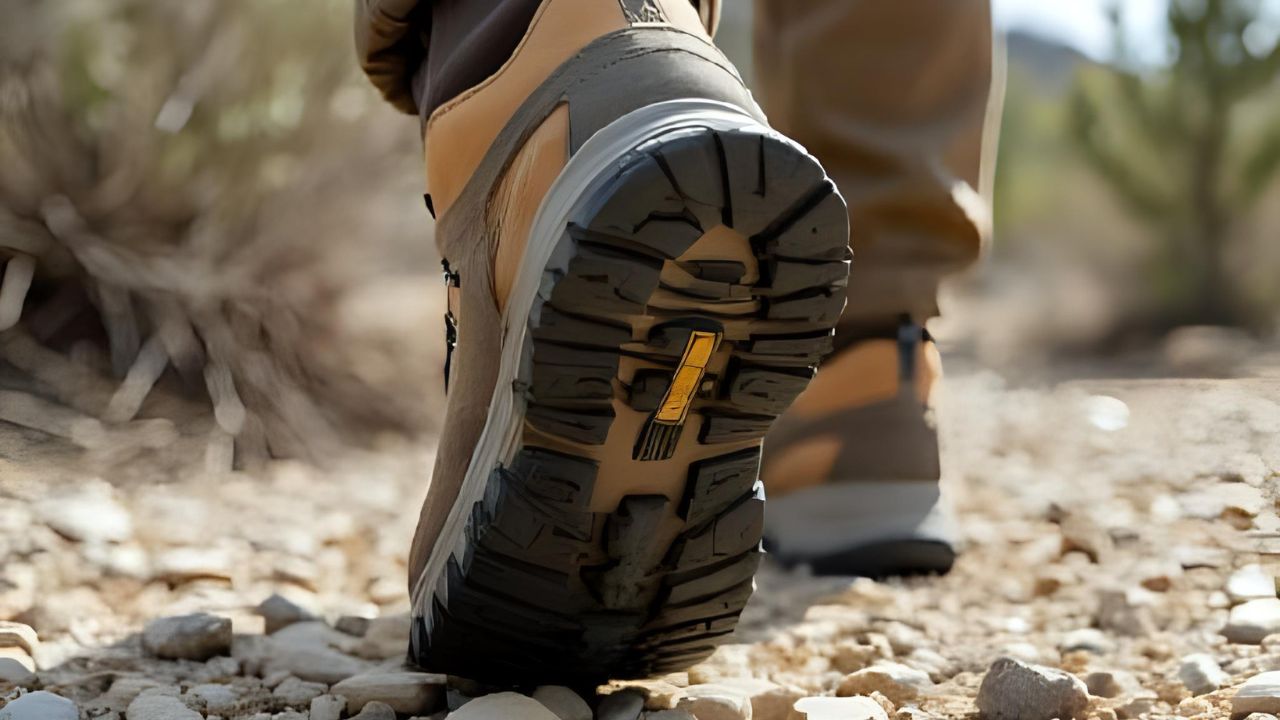
Flat & Grounded: Zero-drop picks that keep heel = toe for natural posture, better balance on uneven ground, and less end-of-day back tightness.
Skip to top pick — Mini-MilZero-drop work boots—also called flat or minimalist boots—keep your heel and forefoot on the same level for a neutral stance. That flat platform can help reduce back strain, improve balance on uneven ground, and let your toes splay naturally during long shifts. This guide zeroes in on true 0 mm drop options that feel light and flexible, with clear safety notes where job-site rules apply.
If most of your shift is on hard floors, the biggest win usually comes from pairing a flat stance with the right underfoot cushioning. For more concrete specific picks, see our guide to work boots for concrete floors.
Why Trust This Guide
- Evaluated for posture alignment, ground feel, and toe-box freedom during long work shifts.
- Includes field feedback from warehouse workers, outdoor crews, and minimalist footwear users.
- Safety considerations checked against ASTM F2413 and EH jobsite requirements.
- Updated regularly to reflect changes in minimalist and zero-drop footwear availability.
What Makes a Good Zero Drop Work Boot?
Zero drop shoes are footwear where the heel and forefoot sit at the same height above the ground (0 mm heel-to-toe drop). This keeps the foot in a neutral, flat position instead of elevating the heel like traditional boots.
- Heel height difference: 0 mm
- Posture effect: keeps spine more neutral
- Foot position: encourages natural toe splay
- Typical design: wider toe box and flexible sole
Zero drop means your heel and forefoot sit at the same height (0 mm heel-to-toe drop). Standard boots lift the heel 10–15 mm, which can tilt posture and load calves. Flat, foot-shaped boots promote a neutral stance, steadier balance, and less back strain on long shifts.
Some workers also search for zero rise work boots, which is simply another way of describing zero-drop footwear. Both terms refer to boots where the heel and forefoot sit at the same height above the ground, creating a flat sole platform that keeps posture neutral during long shifts.
What Are Zero Drop Work Boots?
Quick Answer
Zero drop work boots keep the heel and forefoot at the same height above the ground (0 mm heel-to-toe drop). This flat platform promotes natural posture, better balance, and wider toe movement compared to traditional work boots that raise the heel.
- 0 mm heel-to-toe drop
- Natural standing posture
- Wide toe box for toe splay
- Flexible sole for ground feel
Benefits — Why Trades Switch to Zero Drop
- Lighter feel: many double as lightweight work boots.
- Barefoot feedback: flexible soles = better ground feel and agility.
- Posture & balance: flat stance keeps spine neutral and weight centered.
- Toe freedom: wide boxes reduce squeeze and hot spots.
- Less fatigue: many report reduced end-shift soreness after transition.
Some workers exploring zero drop work boots are dealing with long-term foot fatigue or alignment issues. In certain cases, a flatter platform can reduce strain through the ankles, knees, and lower back. Workers experiencing persistent heel pain may also want to review our guide to work boots for plantar fasciitis, which explains how arch support and cushioning interact with natural foot posture.
If long shifts are already leaving your feet aching, minimalist footwear is not always the best first step. In that case, start with more cushioning using boots designed specifically for workers dealing with sore feet before transitioning to flatter platforms.
Are Zero Drop Boots Good for Your Feet?
For many workers, zero drop footwear can improve posture and balance because the heel is not elevated. Traditional work boots often raise the heel 10–15 mm, which shifts weight forward and can tighten the calves and lower back over long shifts.
Flat sole work boots keep your foot level with the ground, which allows a more natural stance. Many workers report less lower back tension and better stability when walking on uneven terrain or jobsite surfaces.
- Better posture: neutral heel height reduces forward tilt
- Improved balance: more ground contact and stability
- Natural toe movement: wide toe boxes allow toe splay
- Less heel pressure: weight distributes more evenly
However, zero drop boots require a short adaptation period. Calves and Achilles tendons work differently compared to raised-heel footwear, so most workers transition gradually over 2–4 weeks.
Zero-Drop Transition Plan (2–4 Weeks)
- Days 1–3: 1–2 hrs on light tasks; stretch calves/hamstrings after.
- Days 4–7: 3–4 hrs; snug laces midfoot; use a thin insole if arches complain.
- Week 2: half shifts; alternate with old boots as needed.
- Weeks 3–4: progress to full shifts; rotate pairs every other day.
If the first week feels rough, don’t force it. Rotating footwear and using a thin, flat insert can smooth the ramp. Here’s our practical guide to breaking in work boots without wrecking your feet in the process.
Match Job Scenario to Zero-Drop Traits
| Scenario | Prioritize | Toe / Safety | Good Matches |
|---|---|---|---|
| Warehouse / pick & pack (concrete) | Wide toe box, light stack (10–16 mm), slip resistance | Usually soft toe; confirm EH if required | WHITIN Hi-top, WHITIN Canvas |
| Rugged outdoor routes | Lugged outsole, ankle wrap, abrasion-resistant uppers | Most are non-toe; verify site rules | Mini-Mil TR102, Xero DayLite Hiker |
| Dry, harsh terrain | Full-grain leather, flexible chassis, roomy forefoot | Soft toe; check EH needs | Jim Green African Ranger |
| Regulated construction sites | ASTM F2413 + EH, slip resistance | Zero-drop safety toes are rare | Seek niche safety variants; otherwise use standard safety boots |
While true zero-drop safety boots are still relatively uncommon, some manufacturers are now producing minimalist steel-toe work boots that combine lightweight protection with flatter platforms and flexible soles. These designs aim to reduce bulk compared to traditional safety boots while still meeting jobsite protection requirements.
For indoor routes with lots of walking, your surface matters more than the boot label. If you’re clocking steps in a warehouse environment, these warehouse work boots options cover slip resistance, toe room, and long shift comfort.
- Mini-Mil TR102: best overall zero-drop durability + grip
- WHITIN Hi-top: best budget indoor/warehouse
- Jim Green Ranger: best rugged leather zero-drop
- Xero DayLite Hiker: best light outdoor ground-miles
- WHITIN Canvas Low: best featherweight daily driver
Do Zero Drop Steel Toe Safety Boots Exist?
Many workers searching for zero drop work boots are actually looking for zero drop safety boots or zero drop steel toe boots. Unfortunately, true zero-drop safety footwear is still very limited.
Most minimalist and barefoot-style boots are designed for flexibility and natural foot movement, while traditional safety boots require thicker midsoles and reinforced toe caps to meet jobsite protection standards.
- Zero drop steel toe boots: very rare
- Zero drop composite toe boots: slightly more common
- Safety certifications: must meet ASTM F2413 for construction work
- Electrical hazard protection: EH rated boots required on many jobsites
If your job requires certified protection, always confirm the boot carries ASTM F2413 safety ratings. Some minimalist-style boots may look similar to work boots but do not meet regulated jobsite safety standards.
Comparison Table — Top Zero Drop Work Boots
| Product | Why it’s good | Best For | Price |
|---|---|---|---|
| WHITIN Wide Minimalist | True zero drop, wide toe box, flexible sole; breathable canvas. | Indoor/light-duty shifts on concrete. | |
| Tactical Research Mini-Mil | Near-barefoot platform, Vibram outsole, supportive 8″ upper. | Rugged outdoor routes; uneven ground (non-toe). | |
| Jim Green Ranger | Full-grain leather, flexible zero-drop sole, roomy forefoot. | Dry, harsh terrain; all-day wear. | |
| WHITIN Canvas | Featherlight, wide toe box, easy flex. | Light-duty indoor roles; commuting. | |
| Xero Shoes DayLite | Lugged outsole, natural flex, light chassis. | Outdoor labor; mixed terrain (dry). |
Tactical Research Mini-Mil TR102 — Best Overall Zero-Drop Durability
TFF Rating:
Best For: rugged outdoor routes and uneven terrain where a Vibram outsole and ankle wrap matter more than a safety toe.
Military-inspired zero-drop platform with grippy lugs and an 8″ upper that stabilizes without killing flex. Leather/nylon build takes abuse; expect a real break-in.
Field notes: “Scrub, gravel, rail ballast—traction stayed confident. Calves adjusted after week two.”
Key Features:
- Near-barefoot, zero-drop feel
- Vibram slip-resistant outsole
- 8″ supportive upper; leather/nylon
Pros
- Excellent grip and ground feel
- Stable ankle wrap without bulk
- Durable for field work
Cons
- Not a safety-toe boot
- Break-in takes time
- PPE sites: verify ASTM/EH; choose safety variants if required.
- All-day day-one: follow the transition plan to avoid calf strain.
Sizing & Fit: Secure midfoot wrap; true length. If using thick socks, some go up 1/2 size.
Best For (recap): rugged outdoor routes, uneven ground, mile days where a grippy Vibram outsole and ankle wrap matter (non-toe).
WHITIN Wide Hi-Top Minimalist — Best Budget Indoor/Concrete Pick
TFF Rating:
Best For: warehouse, pick/pack, drivers off-dock—flat stance + wide toe box reduces fatigue on concrete.
True zero drop with a roomy forefoot and breathable canvas. Not built for heavy weather or sharp rubble, but excellent value for long indoor miles.
Field notes: “Clocked 10k steps—no heel ache, toes finally had room.”
Key Features:
- Zero drop, flexible sole
- Wide, foot-shaped toe box
- Lightweight canvas upper
Pros
- Great price-to-comfort
- Breathable for warm warehouses
- Easy transition to flat stance
Cons
- Not waterproof
- Limited abrasion resistance
- Heavy-duty sites: choose leather or safety-toe models instead.
- Slip policy: confirm floor SR requirements.
Sizing & Fit: Runs slightly generous; most go true-to-size for medium socks.
Best For (recap): budget indoor work on concrete—warehouse, pick/pack, drivers off-dock; breathable zero-drop comfort.
Jim Green Barefoot African Ranger — Best Rugged Leather Zero-Drop
TFF Rating:
Best For: dry, harsh ground where leather durability beats membranes.
Full-grain leather + flexible zero-drop sole = tough, natural stride. No waterproof membrane or toe cap; great once the leather relaxes.
Field notes: “Rocky paths and site debris—uppers shrugged scuffs; forefoot flex felt natural.”
Key Features:
- Full-grain leather upper
- Flexible zero-drop platform
- Lace-up hold for uneven ground
Pros
- Very durable leather
- Natural toe splay room
- Secure when laced properly
Cons
- Needs break-in
- No waterproofing/insulation
- Wet weeks: add conditioner/waterproofer or rotate pairs.
- Sharp rubble: thin stacks demand mindful foot placement.
Sizing & Fit: True length; upper loosens after a few shifts.
Best For (recap): dry, harsh terrain where leather durability + flexible zero-drop stride beat membranes (non-toe).
WHITIN Canvas Minimalist — Best Featherweight Daily Driver
TFF Rating:
Best For: light-duty indoor roles, commuting between tasks, and long walking days without PPE demands.
Zero-drop, super flexible, and airy. Great price; not for rough gravel or heavy gear.
Key Features:
- Featherlight, flexible chassis
- Wide toe box for splay
- Breathable canvas upper
Pros
- Extremely breathable
- Budget-friendly
- Easy all-day comfort on flat floors
Cons
- Minimal protection
- Shorter lifespan on abrasive terrain
- Slip specs: confirm SR rating for your site.
- Weather: canvas wets out quickly—pack backups.
Sizing & Fit: If between sizes, many go up for thicker socks.
Best For (recap): featherweight daily wear and light-duty indoor roles/commuting without PPE demands.
Xero Shoes DayLite Hiker Fusion — Best Light Outdoor Ground-Miles
TFF Rating:
Best For: outdoor labor in drier weather; lugged grip with natural flex for mile-heavy days (non-toe).
Balances durability and freedom. No membrane or toe cap; shines when you need movement and traction over bulk.
Field notes: “Miles of site walks—no hotspot, outsole kept bite on dusted concrete.”
Key Features:
- Lugged, grippy outsole
- Zero-drop, flexible platform
- Light mesh/synthetic upper
Pros
- Light but durable
- Great traction on mixed terrain
- Comfortable for long distances
Cons
- Not waterproof
- No safety toe
- Wet grass/rain: consider a waterproof variant or rotate pairs.
- Safety rules: non-toe—verify policy.
Sizing & Fit: Foot-shaped last; if between sizes, many size up.
Best For (recap): light outdoor miles in dry conditions—lugged grip, natural flex, and freedom of movement (non-toe).
Many roofers prefer flatter platforms for stability on slopes. If you’re comparing heel structures, review our guide to roofing footwear and how sole geometry affects balance on pitched decks.
Quick Picks (TL;DR)
- Best overall: Tactical Research Mini-Mil TR102
- Best budget indoor: WHITIN Hi-top
- Best rugged leather: Jim Green African Ranger
- Best light outdoor miles: Xero DayLite Hiker
- Featherweight daily: WHITIN Canvas Low
Zero-Drop Spec Cheat Sheet
- Drop: 0 mm (confirm spec sheet).
- Stack height: 8–20 mm; lower = more ground feel, higher = more cushion.
- Toe box: foot-shaped, wide.
- Flex: easy forefoot bend.
- Safety: ASTM F2413 / EH where required—zero-drop safety toes are rare.
- Verify ASTM F2413 and EH markings on your exact variant.
- Zero-drop “barefoot” models are often not safety-toe; confirm your site’s PPE policy.
- Start with half-shifts to avoid calf/Achilles strain during transition.
Pro Tips — Getting Zero-Drop Right
If your feet already ache after long shifts, transitioning slowly is important. Workers with existing foot pain may prefer starting with more cushioned footwear designed for sore feet before moving to flatter minimalist designs.
- Transition slow: follow a 2–4 week ramp to avoid calf/Achilles flare-ups.
- Toe room first: if your toes can’t splay, you lose the benefit—choose a foot-shaped last.
- Concrete hack: a thin, flat insole can add comfort without adding heel lift.
- Slip policy: minimalist outsoles vary—verify SR requirements for polished floors.
- Safety reality: true zero-drop safety toes are rare—double-check ASTM F2413/EH markings.
- Rotate pairs: alternating shoes preserves thinner midsoles/outsoles on hard floors.
If you want to keep the neutral stance but need more comfort, stay with inserts that do not add a heel ramp. These are our most practical picks for insoles for concrete floors that add cushion while keeping your posture stable.
Workers who spend large parts of the day walking routes or moving between stops often look for lighter footwear with better ground feel. If your job involves constant movement between vehicles, warehouses, and delivery points, our guide to work boots for delivery drivers explains which designs balance comfort, grip, and long walking mileage.
Care & Maintenance (Zero-Drop & Minimalist)
- Brush & rinse: keep lugs clean so thin outsoles can grip.
- Leather care: light condition every few weeks; avoid high heat.
- Rotation: alternate pairs to preserve thin midsoles on concrete.
- Fit tune: add thin insoles if arches ache during transition.
Minimalist uppers and thinner soles last longer when you keep grit from grinding into the materials. If you want a simple routine, follow our step by step guide on how to clean work boots.
Final Verdict
Best overall zero-drop: Tactical Research Mini-Mil TR102. Budget indoor winner: WHITIN Hi-top. Rugged leather: Jim Green African Ranger. Light outdoor miles: Xero DayLite Hiker. Featherweight everyday: WHITIN Canvas Low.
Popular Zero Drop Boot Brands
Several footwear companies specialize in minimalist or zero-drop designs. These brands often focus on natural foot movement, wide toe boxes, and flexible soles.
- Xero Shoes – minimalist hiking and work-style footwear
- WHITIN – budget wide-toe minimalist shoes
- Vivobarefoot – premium barefoot footwear
- Jim Green – rugged leather boots with natural stance options
- Tactical Research – military style minimalist boots
Each brand takes a slightly different approach to cushioning and durability, so choosing the right one depends on whether your work is indoors, outdoors, or on abrasive terrain.
FAQ — Zero Drop Work Boots
Are zero-drop boots the same as barefoot boots?
Not exactly. Most barefoot boots are zero-drop, but “barefoot” also implies a wider toe box, thin stack height, and very flexible soles.
Do any zero-drop boots have safety toes?
Yes, but they’re uncommon. Always confirm the specific model carries ASTM F2413 and (when needed) EH markings before wearing on regulated sites.
My feet sweat more in flat boots, what should I do?
Start with thinner socks, better airflow uppers, and rotate pairs so the inside can dry fully. If sweating is the main issue, use this full guide to work boots for sweaty feet for materials and fit choices that actually breathe.
Will zero-drop help with back or knee soreness?
For many workers, a neutral stance reduces loading on the lower back and knees. Transition gradually and consider a thin, flat insole for long concrete days.
How much cushioning is okay if I want to stay “minimal”?
8–12 mm stacks feel very barefoot; 14–20 mm add comfort without breaking zero-drop posture. Choose based on surface hardness and shift length.
What if I get calf tightness during week one?
Back off to half-shifts, add gentle calf/hamstring mobility, and alternate with your old boots for a few days. Tightness usually resolves as tissues adapt.
Can I use orthotics in zero-drop boots?
Yes. Stick to flat orthotics (no heel ramp) to keep the 0 mm stance, and re-check fit—orthotics can steal toe-box volume.
Are zero-drop boots good for roofers?
They can be—flat stance helps balance, but prioritize grippy tread and site-approved safety rules. See your roofing-specific traction requirements.
Warehouse floors feel brutal—any tips?
Choose a model with slightly higher stack (14–18 mm), add a thin cushion insole, and rotate pairs. Keep lugs clean for consistent grip.
How do I verify a true 0 mm drop?
Check the brand’s spec sheet or ask support for “heel-to-toe drop.” If unspecified, assume it isn’t truly zero.
How long is the break-in on leather minimalist boots?
Typically 2–5 shifts. Leather softens and forefoot flex improves—use a boot jack and condition lightly after week one.
How We Test — Zero-Drop Methodology & Scoring
We score posture alignment, flex & ground feel, traction, 10–12 hr comfort on concrete, and durability. Ratings blend spec checks, on-foot miles, and verified user reports.
| Model | Posture /Alignment | Flex & Ground Feel | Traction | All-Day Comfort | Durability |
|---|---|---|---|---|---|
| Tactical Research | Excellent | Very Good | Excellent | Very Good | Very Good |
| WHITIN Hi-top | Very Good | Excellent | Good | Very Good | Good |
| Jim Green Ranger | Very Good | Good | Very Good | Good | Excellent |
| WHITIN Canvas Low | Very Good | Excellent | Good | Very Good | Fair |
| Xero DayLite Hiker Fusion | Very Good | Very Good | Very Good | Very Good | Good |
About the Author & Testing
Compiled by The Foot Facts with input from warehouse teams, outdoor labor crews, and trades exploring zero-drop safety. We evaluate posture alignment, flex/ground feel, traction, and shift-length comfort, with notes from spec sheets, verified users, and wear tests where noted.
Bottom line: pick a true 0 mm drop, make sure your toes have room, and ease into it—your back, knees, and balance will thank you by month’s end.