
Best vegan steel toe work boots — cruelty-free safety footwear built for wet job sites, warehouse floors, muddy yards, and all-day protection without leather.
Evaluated for waterproofing, safety certification, traction, material durability, and long-shift comfort across wet, indoor, and mixed outdoor work environments.
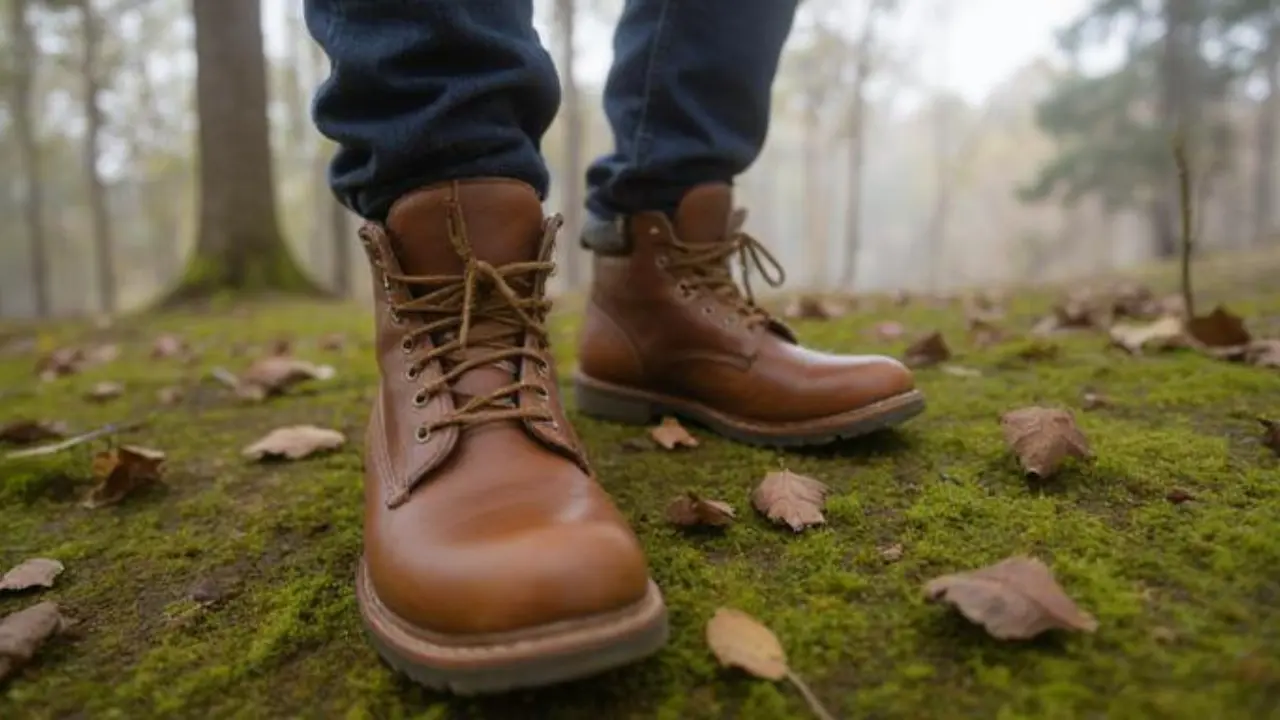
Vegan & Site-Ready: Boots below use synthetic uppers and list safety ratings (ASTM/EN). No leather, no compromise.
Skip to top pick — DunlopThe latest vegan steel toe work boots prove you don’t need leather to work hard. Today’s options include waterproof PVC pull-ons, insulated rubber boots, and traditional lace-up synthetic safety boots for everyday job-site use.
The biggest difference usually comes down to materials and environment. Rubber and PVC vegan work boots are strongest for washdowns, mud, and chemical exposure, while microfiber and synthetic safety shoes are better for indoor comfort, lower weight, and longer warehouse or production-floor shifts.
Because safety-rated footwear is rarely labeled explicitly as “vegan,” selections below use PVC, rubber, neoprene, or synthetic microfiber uppers confirmed from manufacturer specifications instead of leather.
Why Trust This Guide
- Evaluated using waterproofing, traction, safety certification, and long-shift comfort criteria across wet and indoor work conditions.
- Built around real use cases from sanitation, landscaping, warehouse work, utility roles, and light industrial settings.
- Focuses specifically on leather-free safety footwear rather than mixing vegan and leather options together.
- Updated twice per year to reflect available safety-rated vegan options, material durability, and worker feedback.
What Are the Best Vegan Steel Toe Work Boots in 2026?
Quick Answer
The best vegan steel toe work boots combine leather-free materials, certified toe protection, and the right build for your work environment. Rubber and PVC models are best for wet and chemical-heavy jobs, while vegan microfiber and synthetic safety shoes are better for indoor shifts where breathability, lighter weight, and all-day comfort matter more. Many workers also search for these as vegan safety toe boots, vegan steel toe shoes, or simply non leather work boots depending on the job.
- Rubber or PVC for wet and messy work
- Microfiber and synthetics for lighter indoor comfort
- ASTM or EN safety certification where required
- Slip-resistant outsole matched to your surface
Vegan Basics — Materials, Certs & Use Cases
- Uppers: PVC/rubber & neoprene (waterproof, chemical resistant) or microfiber PU (lighter, more breathable).
- Certs: verify ASTM F2413 or EN ISO 20345, plus EH/anti-static as required.
- Outsoles: oil/slip resistant rubber; look for SRC where policy needs it.
- Fit: pull-on rubber runs roomier; microfiber fits like leather boots. If you prefer flatter platforms, see our minimalist work boots guide.
If you’re deciding between rubber/PVC and breathable synthetics, our waterproof work boots guide breaks down when full waterproofing helps—and when it becomes overkill.
Best Vegan Work Boots vs Vegan Safety Shoes
Some workers searching for the best vegan work boots actually need two different things. For wet job sites, muddy yards, washdowns, and outdoor utility work, taller vegan steel toe work boots made from PVC, rubber, or neoprene usually make more sense. For warehouses, production floors, and lighter indoor shifts, vegan safety shoes or vegan steel toe shoes often feel cooler, lighter, and easier to wear all day.
The main choice comes down to environment. If you need full waterproofing and easier cleanup, go with a rubber or PVC pull-on boot. If you need lower weight and better breathability, a microfiber or synthetic non leather work boot or safety shoe is often the better fit.
- Dunlop Chesapeake: best budget waterproof/EH for washdowns
- Bogs Forge: best cold, mud & slush protection
- Amblers FS151: best indoor vegan safety look/comfort
Comparison Table
Best Vegan Steel Toe Work Boots
| Product | Why it’s good | Best For | Price |
|---|---|---|---|
| Dunlop Chesapeake | 100% PVC (vegan), waterproof, EH-rated; BAY-LOC outsole channels water. | Washdowns, sanitation, rainy landscaping. | |
| Bogs Forge | Neoprene + synthetic rubber, insulated, fully waterproof; slip/chemical resistant. | Cold mud, slush, ag/utility, waste management. | |
| Amblers Safety | Vegan microfiber with steel toe + puncture plate; lighter, breathable SRC outsole. | Warehouse & light industrial (indoor-leaning). | |
| SUADEX Steel Toe Boots | Fully synthetic lace-up safety boot with steel toe, waterproof build, and cushioned sole for mixed indoor/outdoor work. | Warehouses, construction support roles, general-purpose leather-free job sites. |
Dunlop Chesapeake — Best Waterproof Vegan Pick
TFF Rating:
Best For: sanitation, landscaping, construction wash bays, rainy sites.
Fully vegan PVC upper with ASTM F2413 steel toe and EH rating. BAY-LOC channels shed water and slurry, and the boot hoses clean fast.
Field notes: “Budget waterproof safety boot that survives daily washdowns; add insoles for long concrete days.”
Key Features:
- ASTM F2413 I/C steel toe; EH
- Waterproof PVC; oil/chemical resistant
- BAY-LOC channel outsole for wet grip
Pros
- Vegan, waterproof, easy to clean
- Good wet-floor traction for the price
- Lighter than many rubber pull-ons
Cons
- Minimal insulation
- Stock insole is basic
- Concrete fatigue: add cushioned insoles and follow the setup tips in our best safety footwear for concrete work areas guide.
- Cold rooms: pair with thermal socks/liners.
Sizing & Fit: Slightly roomy. Many go down ½ size or use thicker socks.
Best For (recap): budget vegan waterproof/EH on wet worksites.
Bogs Forge Steel Toe — Best for Cold Mud & Slush
TFF Rating:
Best For: ag/utility, waste management, cold wet yards.
Synthetic rubber + neoprene shaft is fully waterproof and insulated; slip/chemical-resistant outsole bites into mud and slop.
Field notes: “Warm and dry in slush; bulky but bombproof for winter muck.”
Key Features:
- ASTM steel toe (I/C); slip/chem resistant
- Insulated neoprene/rubber waterproof chassis
- Moisture-wick lining; removable footbed
Pros
- Excellent warmth + waterproofing
- Great traction in mud/slush
Cons
- Bulky; warm for summer
- Shaft can feel clunky when driving
- Vent: pull liners out between shifts.
- Traction: rinse lugs; slurry reduces grip.
Sizing & Fit: True length; roomy for winter socks.
Best For (recap): cold, wet environments that punish leather.
Amblers Safety FS151 (Vegan) — Best for Indoor & Light Industrial
TFF Rating:
Best For: warehouses, production floors, facilities where a leather-look safety shoe is preferred—minus the leather.
Vegan microfiber upper keeps weight down; steel toe + puncture plate add protection, and the SRC outsole grips polished concrete.
Field notes: “Looks like a classic work shoe, breathes better than rubber; not for soaking-wet sites.”
Key Features:
- ASTM/EN safety toe + midsole plate (model dependent)
- Breathable microfiber (vegan)
- SRC slip-rated outsole
Pros
- Ethical materials; professional look
- Lighter, more breathable for long shifts
- Good grip on indoor floors
Cons
- Not fully waterproof
- Short break-in
- Wet duty: choose rubber/PVC if you stand in water.
- Plate spec: confirm puncture rating for your SKU.
Sizing & Fit: True length; average width. If between sizes, many size up for thick socks.
Best For (recap): indoor comfort with certified protection—vegan build.
SUADEX Steel Toe Boots — Best Lace-Up Vegan Safety Boot
TFF Rating:
Best For: mixed indoor/outdoor job sites, warehouse support roles, and workers wanting a traditional lace-up safety boot without leather.
Fully synthetic uppers make these a practical vegan steel toe work boot alternative to leather models. The cushioned sole helps reduce fatigue on concrete floors, while the waterproof build works well for light outdoor exposure and changing site conditions.
Field notes: “Comfortable budget-friendly lace-up safety boot that fills the gap between rubber pull-ons and lightweight safety sneakers.”
Key Features:
- Steel toe safety protection
- Fully synthetic leather-free upper
- Cushioned anti-fatigue midsole
- Slip-resistant outsole for indoor surfaces
Pros
- Traditional lace-up work boot feel without leather
- Comfortable on warehouse and concrete floors
- Good value with strong Amazon review volume
Cons
- Not built for heavy chemical washdowns
- Waterproofing suited to light-to-moderate wet exposure
- Deep wet environments: choose PVC boots like Dunlop Chesapeake instead.
- Cold mud or slush: insulated rubber boots like Bogs Forge perform better.
Sizing & Fit: Generally true to size with moderate toe-room typical of safety boots.
Best For (recap): everyday leather-free steel toe protection across warehouse, construction support, and general job-site environments.
Quick Picks (TL;DR)
- Best waterproof value: Dunlop Chesapeake
- Best cold/wet: Bogs Forge Steel Toe
- Best indoor comfort: Amblers FS151 (Vegan)
- Best lace-up vegan boot: SUADEX Steel Toe Boots
EH Rated Vegan Rain Boots for Sanitation, Washdowns, and Wet Work
Some of the strongest vegan options are not traditional lace-up boots at all. In sanitation, laboratory support areas, food handling, wash bays, and similar wet environments, workers often need EH rated vegan rain boots or PVC safety boots that can be rinsed clean quickly and still meet site rules.
For this type of work, waterproof PVC or rubber boots like the Dunlop Chesapeake make more sense than breathable microfiber styles. They are easier to clean, better around slurry and wet concrete, and more practical for repetitive hose-down conditions than lighter indoor safety shoes.
Sock Pairing & Add-Ons
(Stay Dry, Reduce Fatigue)
- Rubber/PVC boots: thin synthetic liner + mid-weight merino; swap mid-shift if soaked.
- Heel lift: thicker knit at Achilles or low-profile heel grips.
- Concrete duty: add cushioned/anti-fatigue insoles; rotate pairs to preserve rebound.
- Heel pain: if soreness persists, see our guide to work boots for plantar fasciitis for insole firmness and support tips.
Care & Maintenance (Vegan Uppers)
- PVC/Rubber: hose off; mild soap; air-dry away from heaters.
- Microfiber: wipe clean; use PU-safe water-repellent if needed.
- Inside: pull insoles nightly; use boot dryers on low heat.
- Traction: rinse slurry/sugars—smooth films kill grip.
Best For — Recap Matrix
| Scenario | Pick | Why |
|---|---|---|
| Washdowns / rain | Dunlop Chesapeake | Waterproof PVC, EH, easy hose-clean. |
| Cold mud / slush | Bogs Forge | Insulated, fully waterproof, chemical resistant. |
| Warehouse / indoor | Amblers FS151 | Breathable microfiber with steel toe + plate, SRC grip. |
| Mixed indoor/outdoor sites | SUADEX Steel Toe Boots | Lace-up synthetic safety boot with steel toe and cushioned support. |
- Confirm ASTM F2413 (I/C) on your exact size/SKU; add EH/anti-static where required.
- Rubber/PVC are ideal around caustics/fats; microfiber is for drier floors.
- Some brands offer women’s lasts—better heel lock and arch match.
For harsher environments with hydrocarbons, heat, or deep mud, see our oilfield and rigger boots guide for specs that go beyond standard warehouse needs.
Related Guides
Safety & Standards
Match footwear to the hazard assessment. Verify ASTM F2413 (impact/compression) and job needs like EH, anti-static, SRC slip, and chemical resistance. See OSHA Foot Protection (29 CFR 1910.136).
Final Verdict
Best waterproof value: Dunlop Chesapeake. Best cold/wet protection: Bogs Forge. Best indoor vegan safety shoe: Amblers FS151. Best lace-up vegan steel toe work boot: SUADEX Steel Toe Boots. Together these options cover the most common leather-free job-site needs, from waterproof sanitation environments to warehouse floors and general-purpose synthetic safety boots for everyday work.
FAQ — Vegan Steel Toe Work Boots
Are vegan steel toe boots as durable as leather?
In wet and chemical environments, rubber/PVC often outlast leather and clean faster. For indoor miles, microfiber is lighter and more breathable.
Do vegan boots breathe?
Rubber/PVC are not very breathable; pick microfiber or add wicking socks/insoles for long indoor shifts.
Can I get EH/anti-static in vegan boots?
Yes—many rubber/PVC models are EH-rated and some microfiber models are anti-static. Always verify the listing for your size/SKU.
What if heel slip happens in pull-ons?
Use thicker heel-zone socks or a low-profile heel grip; swap the insole to fill volume and improve lock.
Good for oilfield work?
Select chemical-resistant rubber with aggressive lugs and required heat/EH specs; confirm site PPE rules first.
Are vegan steel toe boots allowed on regulated job sites?
Yes—provided they meet the required ASTM F2413 or EN ISO 20345 ratings. “Vegan” refers to materials, not safety performance. Always verify the exact SKU.
Are there vegan composite toe boots?
Yes, but they are less common than vegan steel toe boots. Some synthetic work boots use composite safety toes instead of steel, which can reduce weight and avoid metal detection issues. Always verify the exact ASTM or EN certification on the product listing before buying.
What are the best non leather work boots for wet jobs?
For wet jobs, the best non leather work boots are usually PVC, rubber, or neoprene pull-on styles with steel toes and slip-resistant outsoles. These materials clean faster than leather and usually perform better in washdowns, mud, and chemical-heavy environments.
About the Author & Testing
Compiled by The Foot Facts with input from sanitation crews, ag workers, and warehouse teams. We evaluate ASTM/EN compliance, wet-floor slip, chemical resistance, waterproofing, and all-day comfort. Fit notes combine spec sheets, user feedback, and on-foot wear tests where noted.
End of shift, if your boots hose clean, your feet stayed dry, and your conscience is clear—that’s a win. — Tony