Best socks for work boots — moisture-wicking, cushioned, steel-toe-friendly socks built to reduce sweat, friction, hot spots, and foot fatigue during long shifts.
Evaluated for moisture control, cushion under load, steel-toe comfort, fit security, dry time, and durability after repeated wash cycles.
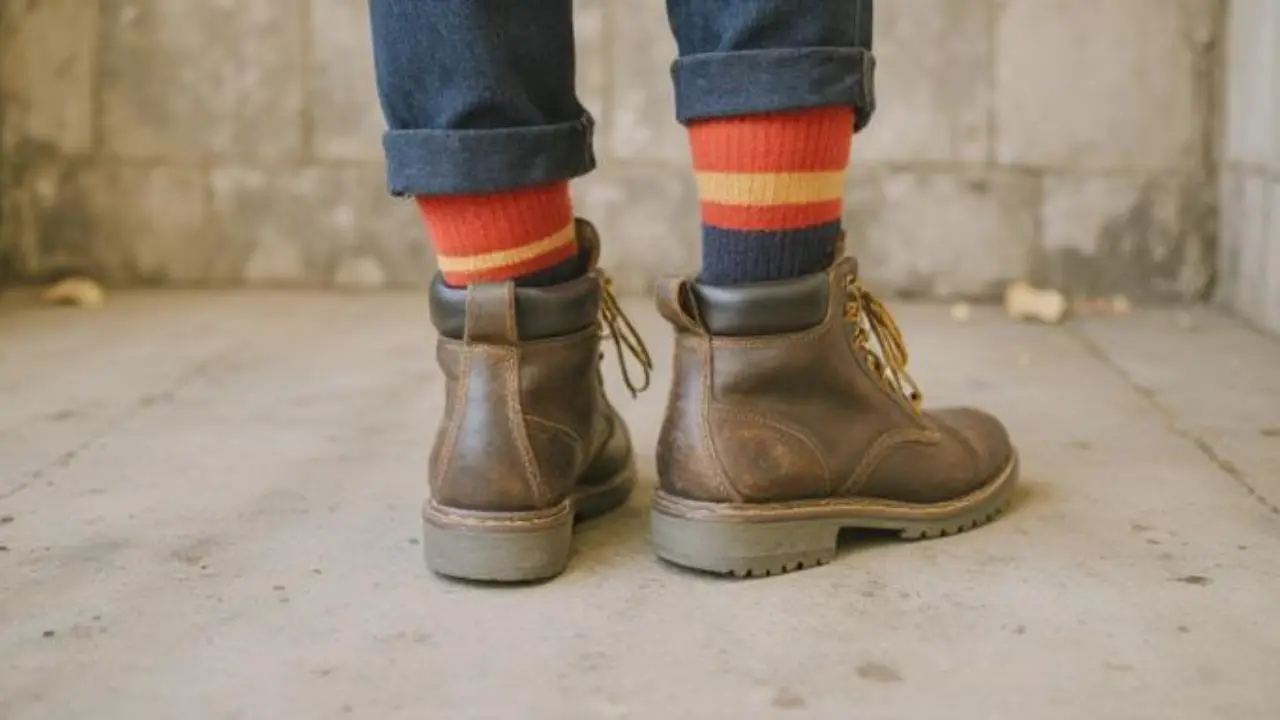
Sock-Tested: Picks evaluated for moisture-wicking, stay-up compression, cushion retention, and blister control inside work boots.
Skip to top pick — Dickies Dri-techWhen your boots are built for long shifts, your socks need to work just as hard. The best socks for work boots help control sweat, reduce friction, cushion steel-toe pressure, and keep your feet more comfortable through concrete miles, ladder work, hot shops, and 12-hour shifts.
This guide focuses on work boot socks that stay up, manage moisture, protect common rub zones, and survive repeated washing. If your feet still ache after upgrading socks, pair them with better boot support using our guide to insoles for concrete floors.
Why Trust This Guide
- Evaluated using moisture-control, cushion, compression, dry-time, and durability criteria.
- Focuses on socks worn inside steel-toe, composite-toe, waterproof, and tall work boots.
- Includes crew, over-the-calf, cushioned, breathable, and budget bulk options.
- Updated twice per year to reflect product changes, fit feedback, and long-shift wear data.
What Are the Best Socks for Work Boots in 2026?
Quick Answer
The best socks for work boots combine moisture-wicking fabric, reinforced heel and toe zones, enough cushion for hard floors, and compression that keeps the sock from bunching inside the boot. For most workers, Dickies Dri-tech Crew is the best overall pick for sweat control and long-shift comfort.
- Best overall: Dickies Dri-tech Crew
- Best concrete cushion: COOVAN Cotton Crew Socks
- Best hot-site sock: Carhartt Force Performance
- Best tall boot sock: Wrangler Riggs OTC
- Best budget pack: EnerWear Cushion Crew
Socks 101 — What Actually Works Inside Work Boots
- Fiber mix: Merino blends manage sweat + odor; poly/nylon moves moisture fast; a little spandex keeps shape.
- Cushion zones: targeted heel/forefoot cushion softens steel-toe pressure and concrete shock. If concrete is your daily reality, pair good socks with the right boots in our work boots for concrete floors guide.
- Height: Over-the-calf for 8–10″ boots & shin rub; crew for 6–8″ lace-ups; ankle only for light duty.
- Compression: light-medium arch/leg compression improves hold and reduces fatigue/bunching. If you also need underfoot support, see best insoles for concrete.
- Drying: turn inside-out, skip fabric softener, low-heat or air-dry to protect elastic. (If your boots run hot, our best work boots for sweaty feet picks help too.)
Best Sock Materials for Work Boots
- Merino wool blends: best for odor control, temperature regulation, and long shifts in mixed conditions.
- Polyester / nylon blends: fastest drying and strongest moisture movement inside waterproof boots.
- Cotton blends: comfortable and affordable, but slower drying in sweat-heavy environments.
- Compression synthetics: reduce bunching and improve stability during ladder work and long walking routes.
Match Your Job to the Right Work-Boot Sock
| Scenario | Prioritize | Good Matches |
|---|---|---|
| Hot shops / summer heat | Max moisture control + ventilation | Dickies Dri-Tech, COOVAN Crew |
| Steel-toe pressure on concrete | Heel/forefoot cushion + arch support | Carhartt Force, COOVAN Crew |
| 8–10″ lace-ups / loggers | No-slip height + light compression | Wrangler Riggs OTC |
| Waterproof boots (sweat build-up) | Wicking synthetics + fast dry time | Dickies Dri-Tech, Carhartt Force |
| Budget bulk drawer refresh | Balanced cushion + breathable cotton blend | EnerWear 10-Pack |
Sock Advice by Trade & Work Conditions
Different jobs stress socks in different ways. Moisture control, cushion placement, and height matter more once you match them to your actual shift conditions.
- Mechanics & shop work: Hot bays and concrete floors increase sweat and friction. Pair moisture-managing socks with supportive boots for mechanics to reduce odor and end-of-shift fatigue.
- Roofing & summer installs: Heat buildup inside boots increases blister risk. Combine breathable socks with proper roofing shoes for shingles to reduce hot spots on steep surfaces.
- Wildland crews: Long hiking shifts in ash and dry heat demand moisture control and friction protection. Supportive fireline boots work best with fast-drying socks that stay planted inside tall shafts.
- Structural firefighters: Extended time in insulated turnout gear traps sweat quickly. Pair performance socks with protective boots for firefighters to limit hot spots during long incidents.
- Truck drivers & delivery routes: Long seated hours followed by repeated pavement walking benefit from socks that reduce friction and dry quickly. If you’re building a full route-ready setup, see our guides to shoes for truckers and boots for UPS and FedEx drivers.
If your socks are wearing out faster than expected, friction usually starts with fit. Use our Work Boot Fit & Foot Health Guide to identify pressure points that shorten sock lifespan.
- Dickies Dri-Tech: best overall for sweat + long shifts
- COOVAN Crew: best cushion for concrete + value
- Wrangler Riggs OTC: best for tall boots / no-slip
- Carhartt Force: best for hot, fast-paced work
- EnerWear 10-Pack: best bulk drawer refresh
Comparison Table — Best Socks for Work Boots
| Product | Why it’s good (build) | Best For | Price |
|---|---|---|---|
| Best Concrete Cushion COOVAN Cotton Crew Socks | Moisture-wicking cotton/poly; cushioned sole; reinforced heel/toe. | Heavy-duty, long shifts | |
| Best Overall Dickies Dri-tech Crew | Moisture-control fibers; ventilated channels; arch compression. | All-day sweat control | |
| Best Hot-Site Sock Carhartt Force Performance | FastDry® moisture/odor control; mesh instep; reinforced stress zones. | High-intensity, hot sites | |
| Best Tall Boot Sock Wrangler Riggs OTC | Over-the-calf stay-up height; moisture-wicking; compression mid-foot. | 8″+ boots & shin cover | |
| Best Budget Pack EnerWear Cushion Crew | High-cotton blend; breathable; cushioned; great bulk value. | Budget drawer reloads |
Full Reviews Below: Use the comparison table above for a quick shortlist, then read the full reviews below for fit notes, cushion feel, sweat control, shrink warnings, and where each sock works best inside real work boots.
COOVAN Men’s Cotton Crew — Best for Heavy-Duty Work Environments
TFF Rating:
Best For: long concrete shifts and ladder days.
Cotton/poly moisture-wicking with a cushioned sole that tames hard floors. Reinforced heel/toe extends life; watch dryer heat for shrink.
Field notes: “Noticeably softer landings on stairs; no heel slip in 6″ boots.”
Key Features:
- Cushioned sole, reinforced heel/toe
- Moisture-wicking fabric
Pros
- Strong sweat control for cotton-blend
- Thick cushion for concrete
- Great value in bulk
Cons
- Can shrink on high heat
- Limited colors
- High heat dryer can shrink cotton—tumble low or air-dry.
- Heavier knit can feel warm inside waterproof boots mid-summer.
- Elastic relaxes faster without rotation—aim for 6–10 pairs in cycle.
Fit & Sizing: True crew height; medium compression through arch.
Best For (recap): heavy-duty shops needing cushion + value.
Dickies Dri-tech Crew — Best for All-Day Sweat Control
TFF Rating:
Best For: double shifts and hot interiors.
Moisture-control fibers + vent channels move sweat fast; arch compression keeps socks planted in steel-toe boots.
Field notes: “Dry at lunch, dry at clock-out. No bunching.”
Key Features:
- Moisture fibers + ventilation
- Arch compression
- Reinforced heel/toe
Pros
- Elite moisture management
- Breathable build
- Durable for daily use
Cons
- Runs a touch large
- Can relax with heavy wear
- May pill if washed with rough workwear—wash inside-out.
- Arch compression can relax after many hot cycles—avoid high heat.
- Runs a touch large for some—size down if between sizes.
Fit & Sizing: True length; moderate calf compression.
Best For (recap): sweat-heavy days where blisters are the enemy.
Carhartt Force Performance — Best for High-Intensity Work
TFF Rating:
Best For: hot, fast-paced jobs with lots of climbing/kneeling.
FastDry® tech fights moisture/odor; mesh instep adds airflow. Less plush than heavy crews but cooler under load.
Key Features:
- FastDry® moisture/odor
- Mesh instep
- Reinforced stress zones
Pros
- Keeps feet fresh
- Breathes in heat
- Stays put
Cons
- Less cushioning
- Snug on wider calves
- Less underfoot cushion than thick crews—add cushioned insoles if needed.
- Snugger calf can feel tight on larger legs.
- Heel can thin with ladder days—rotate pairs to extend life.
Fit & Sizing: Athletic crew fit; moderate compression.
Best For (recap): high-movement, high-heat shifts.
Wrangler Riggs Over-the-Calf — Best for Tall Work Boots
TFF Rating:
Best For: 8″+ shafts and shin protection.
Stay-up OTC height with moisture-wicking yarns and mid-foot compression. Not overly thick—great in warm weather.
Key Features:
- OTC height that won’t slide
- Compression support
- Moisture-wicking
Pros
- Zero slip or bunch
- Supportive feel
- Quick drying
Cons
- Too tall for some
- Moderate insulation
- OTC height is overkill for 6″ boots—can feel warm.
- Firm stay-up band may bind on very wide calves.
- Moderate insulation—pair with liners in winter cold.
Fit & Sizing: Tall OTC; firm calf hold.
Best For (recap): taller boots, shin cover, no-slip days.
EnerWear Cushion Crew (10-pack) — Best for Budget Bulk Packs
TFF Rating:
Best For: stocking up without sacrificing comfort.
High-cotton blend with breathable knit and everyday cushioning. Great value—watch for occasional size variance in bulk.
Key Features:
- 10-pack value
- Cushioned & breathable
- Moisture-wicking blend
Pros
- Wallet-friendly
- Comfortable day-to-day
- Good cushion
Cons
- Inconsistent sizing across pairs
- Less durable than premium
- Inconsistent sizing across a few pairs in bulk packs.
- Higher cotton content dries slower—swap mid-shift in hot/wet work.
- Durability is “good,” not premium—expect faster heel wear on concrete.
Fit & Sizing: Standard crew; relaxed calf compared to performance crews.
Best For (recap): budget reloads for mixed conditions.
Quick Picks — Best Socks for Work Boots
- Best overall sweat control: Dickies Dri-tech Crew
- Best concrete cushion: COOVAN Cotton Crew
- Best hot-site sock: Carhartt Force Performance
- Best tall boot sock: Wrangler Riggs OTC
- Best budget pack: EnerWear Cushion Crew
Care & Maintenance — Make Work Socks Last Longer
- Wash inside-out: preserves cushion and removes grit from the inner loops.
- Skip fabric softener: it reduces moisture-wicking performance.
- Use low heat: tumble low or air-dry to protect elastic and reduce shrinkage.
- Rotate enough pairs: 6–10 pairs in rotation helps socks recover between shifts.
- Replace worn pairs: swap them out when heel loops flatten, seams rub, or the sock slides down.
Alternating two or three pairs across the week lets fibers recover between shifts and extends sock lifespan compared to wearing the same pair repeatedly.
Pro Tips — Better Sock Setup for Long Work Shifts
- Match sock height to boot height: crew socks work for most 6″ boots, while over-the-calf socks suit taller 8–10″ boots.
- Use cushioned socks for concrete: heel and forefoot padding help reduce hard-floor impact.
- Prioritize moisture control in waterproof boots: waterproof membranes trap heat, so fast-wicking socks matter.
- Change socks mid-shift if needed: a dry pair can prevent hot spots during sweat-heavy workdays.
- Pair socks with proper support: socks reduce friction, but insoles and boot fit handle deeper fatigue issues.
How the Right Socks Prevent Blisters in Work Boots
Blisters inside work boots usually come from trapped moisture, seam friction, or loose socks sliding inside the heel pocket. Moisture-wicking fibers, reinforced heel zones, and mild compression reduce movement that causes hot spots during long shifts.
Workers who walk concrete miles, climb ladders, or wear waterproof boots benefit most from socks with fast drying fibers and stable arch support that keep the foot planted inside the boot.
- Moisture control helps prevent blisters, but your workplace rules decide your boot ratings and protection needs.
- If you need a safety toe, confirm your workplace standard and use compliant footwear.
- Dry boots nightly because wet interiors defeat any sock’s wicking performance.
- If you have diabetes, circulation issues, numbness, or recurring sores, choose seamless low-friction socks and ask a clinician about foot-safe workwear.
Final Verdict
Best overall: Dickies Dri-tech for moisture management and durability. Best budget bulk pick: EnerWear 10-pack. Best for tall boots: Wrangler Riggs OTC. For concrete-heavy shifts, COOVAN gives the most underfoot cushion. For hot, fast-moving jobs, choose Carhartt Force.
FAQ — Work-Boot Socks
How should I wash work socks without wrecking them?
Flip them inside-out, wash cold or warm, skip fabric softener, and tumble low or air-dry. Clean boots matter too because dirty liners undo sock care.
Do moisture-wicking socks help inside waterproof boots?
Yes. They pull sweat away from skin so your feet stay drier, reducing blisters, odor, and hot spots inside waterproof work boots.
What sock height works best for 8–10″ work boots?
Over-the-calf socks work best for taller boots because they reduce shin rub and help prevent the sock from sliding down.
Can socks help with flat feet?
Compression socks can add comfort, but supportive insoles and properly fitting boots matter more for flat-foot fatigue.
What is the most breathable sock for hot shops?
Carhartt Force is the best hot-site pick here because the mesh instep and FastDry® fabric help manage heat and sweat.
How often should I replace work socks?
For concrete-heavy work, replace daily-use socks every 3–6 months, or sooner if the heel flattens, seams rub, or the sock starts sliding down.
How We Test — Sweat, Cushion & Shift Survival
We score moisture control, cushion under load (steel-toe pressure), fit security (no slide/bunch), dry time, and durability after 10 wash cycles. Wear tests span hot warehouses, waterproof boots, and long concrete shifts.
About the Author & Testing
Compiled by The Foot Facts team led by Tony Bleak. Our sock picks are based on wear tests across hot warehouses, waterproof boots, and long concrete shifts. We evaluate moisture control, cushion under load (steel-toe pressure), fit security (no slide/bunch), dry time, and durability after 10 wash cycles. Fit notes combine spec sheets, retailer fit data, verified user feedback, and hands-on use where noted. Brands do not get copy approval; affiliate links never affect our picks.
End of a double shift—if your socks stayed up, stayed dry, and your feet didn’t complain—that pair earned its drawer space. — Tony