
Best work boots for electricians, including EH-rated and non-conductive composite toe options chosen for ladder stability, concrete comfort, waterproof jobsite protection, and long-shift electrical work.
Evaluated for EH compliance, ASTM F2413 safety markings, ladder grip, concrete cushioning, waterproofing, composite toe comfort, and long-shift durability across panels, stairs, wet entries, and multi-site work.
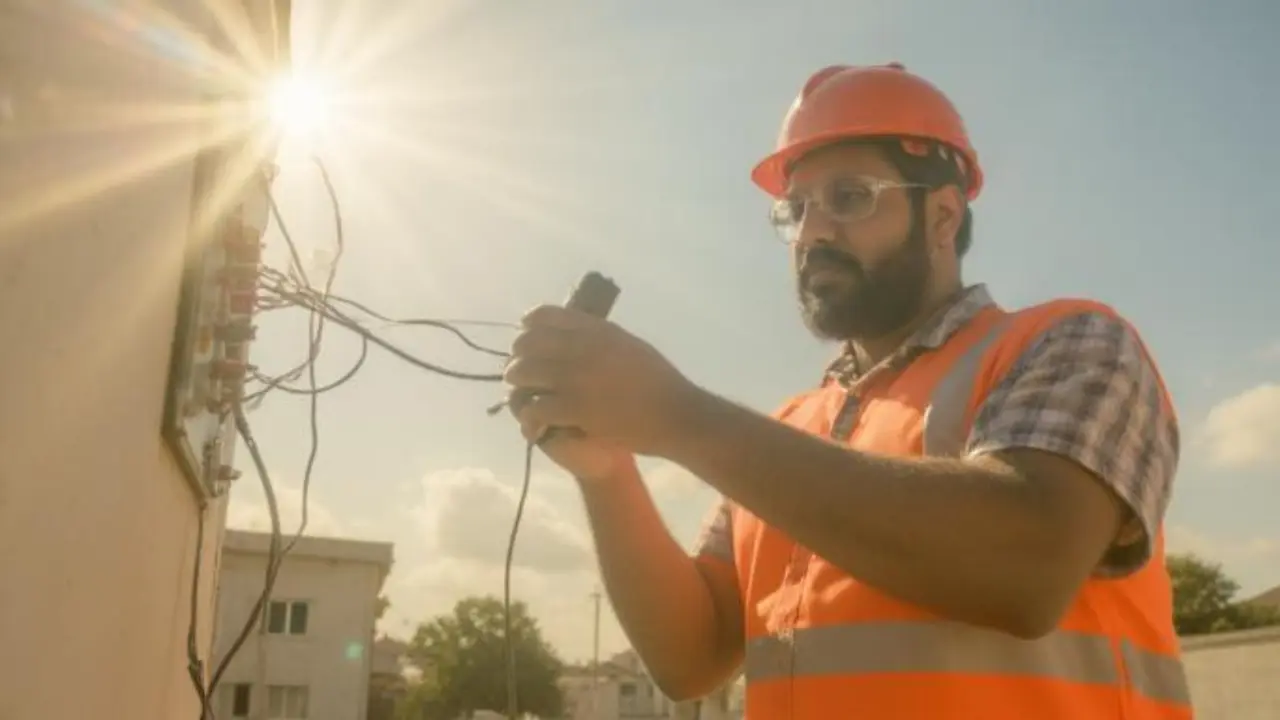
Best overall electrician boot: Thorogood American Heritage 6″ is the top pick for electricians who spend long shifts on concrete and need EH-rated comfort, wedge-sole stability, and resoleable durability.
Skip to top pickIf you’re pulling wire, climbing ladders, and crossing concrete all day, your boots need to stay light, stable, and jobsite compliant. The best work boots for electricians combine EH-rated protection, slip-resistant traction, and enough cushioning to stay comfortable through long commercial, residential, and industrial shifts.
Electricians often need different footwear than general construction workers. Electrical work usually puts more focus on ASTM F2413 EH markings, ladder stability, lightweight composite safety toes, and underfoot comfort on concrete, steel stairs, panels, service rooms, and wet entryways.
Many electricians prefer composite toe boots electrician boots because they provide impact protection without the weight or conductivity concerns of steel. These are often specified on jobsites requiring non-conductive work boots with ASTM F2413 EH protection. If you are comparing safety toe types, our safety toe boot differences guide explains how steel, composite, alloy, and soft toe options compare.
If your work shifts between electrical, construction, maintenance, and outdoor trade work, you can also compare broader job-specific footwear in our work boots by job guide hub.
Why Trust This Guide
Electrician boots are judged differently from general construction boots because EH markings, ladder feel, concrete fatigue, and toe-cap weight all matter during long electrical workdays.
- Boots evaluated for EH compliance, ASTM F2413 safety markings, ladder stability, concrete shock absorption, and slip resistance on dusty floors and steel stairs.
- Includes electrical use cases across commercial panels, residential service calls, industrial maintenance, wet entries, ladders, attics, and multi-site work.
- Safety features checked for EH rating relevance, composite toe protection, soft toe suitability, waterproofing, and jobsite PPE compatibility.
- Selections consider long-shift fatigue across concrete corridors, panel rooms, stairs, ladders, parking lots, and mixed indoor/outdoor surfaces.
- Updated twice per year to reflect product availability, safety marking changes, outsole updates, and verified trade feedback.
Quick Answer — Best Work Boots for Electricians
The best work boots for electricians are Thorogood American Heritage 6″ for all-day concrete comfort and EH-rated indoor work. Ariat Stump Jumper BOA is best for fast ladder movement, Wolverine Icon CarbonMax is best for shock absorption, Timberland PRO Boondock is best for rugged wet sites, and Irish Setter Kasota BOA is best for quick-entry multi-site days.
- Best overall: Thorogood American Heritage 6″
- Best for ladders: Ariat Stump Jumper BOA
- Best shock absorption: Wolverine DuraShocks Icon CarbonMax
- Best rugged waterproof: Timberland PRO Boondock
- Best quick-entry boot: Irish Setter Kasota BOA
Best EH-Rated Work Boots for Electricians
Most electricians need EH-rated work boots that meet ASTM F2413 standards for electrical hazard protection. All boots in this guide include EH-certified outsole protection suitable for dry jobsite conditions around panels, powered equipment, and service environments.
If your employer specifies non-conductive or composite toe electrician boots, models like Ariat Stump Jumper, Wolverine Icon CarbonMax, and Irish Setter Kasota provide lightweight protection without metal components.
Quick picks
How We Chose These Electrician Boots
We weighted EH compliance, ladder stability, and concrete comfort more heavily than ruggedness alone because electricians often move between panels, stairs, wet entries, service rooms, and hard floors all day.
EH and Safety Markings
We checked for EH relevance, ASTM F2413 labeling, composite toe options, soft toe suitability, and jobsite PPE fit.
Ladder and Site Movement
We looked at heel lock, outsole shape, BOA or lace security, stair grip, wet entry traction, and fast movement between work areas.
Concrete Comfort
We prioritized cushioning, wedge comfort, shock absorption, foot fatigue, break-in time, and all-day support on hard surfaces.
What Electricians Need in Work Boots
Safety and Site Compliance
- EH-rated protection: verify ASTM F2413 and EH markings on the exact boot.
- Composite toe options: lighter than steel and common for electrician work.
- Stable footing: slip-resistant rubber helps on dusty concrete, stairs, and wet entries.
Comfort and Movement
- Ladder security: heel lock and snug lacing help reduce foot slide.
- Concrete cushioning: shock-diffusing midsoles matter on long panel days.
- Lightweight build: useful for attics, service calls, and multi-site work.
If your role includes climbing utility poles, you may need more rigidity than standard EH footwear provides. Compare these picks with our lineman boots with steel shank support for pole climbing.
Electricians who spend long hours standing or moving across hard surfaces should also compare work boots for standing on concrete floors and work boots for plantar fasciitis for extra comfort guidance.
EH protection also matters in roofing, welding, railroad, and industrial maintenance environments. For related safety contexts, see our guides to roofing work boots, welding boots with metatarsal guards, and railroad boot EH requirements.
Safety Boots for Electrical Work Environments
Electrical work often involves powered panels, ladders, wet entries, steel stairs, and concrete corridors. Safety boots for electricians should combine EH-rated soles, slip-resistant rubber outsoles, and stable ladder footing rather than deep construction-style tread.
Use-Case Matrix — Match Jobs to Features
| Scenario | Prioritize | Toe / PPE | Good Matches |
|---|---|---|---|
| Commercial panels on concrete | Shock diffusion, wedge comfort, EH protection | Soft toe OK if allowed by site policy | Thorogood Heritage 6″ |
| Mixed outdoor sites / rain | Waterproofing, slip resistance, reinforced protection | Composite toe | Timberland PRO Boondock, Wolverine Icon |
| Ladders and fast in/out | Light weight, heel lock, fast BOA closure | Composite toe | Ariat Stump Jumper BOA, Irish Setter Kasota BOA |
| Hot attics / warm interiors | Breathable linings, lighter uppers, lower heat buildup | Composite or soft toe if policy allows | Wolverine Icon, Ariat Stump Jumper |
Comparison Table
Best Work Boots for Electricians
Use this table to match each electrician boot to the jobsite condition it handles best. The first row is the overall winner, and the full reviews below should follow this same order.
| Product | Key Points | Best For | Price |
|---|---|---|---|
⭐ Best Overall Thorogood Heritage | MAXWEAR Wedge; EH-rated; USA-made leather; resoleable Goodyear welt. | Concrete comfort and indoor panel work | |
Best for Ladders Ariat Stump Jumper | BOA dial; DRYShield waterproofing; composite toe; EH-rated protection. | Ladders, BOA speed, and wet entries | |
Best Shock Absorption Wolverine DuraShocks CarbonMax | DuraShocks comfort system; CarbonMax composite toe; waterproof build; slip-resistant outsole. | Shock absorption and wet concrete | |
Best Waterproof Timberland Boondock | Waterproof membrane; anti-fatigue midsole; reinforced toe and heel; grippy outsole. | Rugged waterproof mixed-site work | |
Best Quick Entry Irish Setter Kasota | BOA dial; waterproof build; non-metallic safety toe; EH-rated protection. | Quick-entry multi-site service calls |
The full reviews below follow the same order as the comparison table. Start with Thorogood if your main need is all-day concrete comfort, then compare BOA ladder speed, shock absorption, waterproof durability, and quick-entry convenience depending on your electrical work routine.
Thorogood American Heritage 6″ — Best for All-Day Concrete Comfort
TFF Rating:
Best For: indoor panel work and long concrete shifts needing shock diffusion and EH protection.
USA-made leather over a MAXWEAR Wedge™ outsole keeps pressure even on concrete. Resoleable Goodyear welt stretches lifespan. No waterproofing or deep lugs—this is an indoor comfort specialist that still meets EH needs (safety-toe variants available).
If you’re in automotive or diesel service rather than electrical trades, explore our guide to the best mechanic work boots for oily shop floors and fluid exposure.
Field notes: “Feet felt fresher at hour 10; wedge didn’t snag on ladder rungs.”
Key Features:
- Full-grain leather (USA)
- MAXWEAR Wedge™ slip-resistant outsole
- Goodyear welt (resoleable); EH
- Optional non-metal safety toe
Pros
- Excellent concrete comfort
- Resoleable longevity
- EH compliant; light on foot
Cons
- No waterproof membrane
- Not for muddy sites
- Rain days: rotate to a waterproof pick (e.g., Boondock).
- Toe rules: confirm if your GC requires a safety cap on site.
Sizing & Fit: True to size; mediums and wides; short break-in.
Best For (recap): indoor concrete, panels, and shop floors needing comfort + EH.
If your work rotates between electrical panels and outdoor track environments, compare these models with our guide to EH boots for rail crews where ballast traction and diesel exposure are part of the equation.
Ariat Stump Jumper 6″ (BOA) — Best for High-Mobility Electrical Work
TFF Rating:
Best For: fast-moving electricians on ladders and tight jobsites needing BOA speed, waterproofing, and EH composite protection.
Dial the fit in seconds with the BOA Fit System—no laces to fumble with gloves on. DRYShield™ waterproofing and an EH-rated composite toe handle wet entries and panel work without extra weight. Slight instep snugness for high arches; short break-in.
Field notes: “Stairs and ladders felt quick; loved twisting BOA between tasks. Stayed dry in drizzle; feet didn’t cook.”
Key Features:
- BOA Fit System (quick micro-adjust)
- Composite toe (ASTM F2413) + EH
- DRYShield™ waterproof membrane
- Slip-resistant rubber outsole
Pros
- Rapid on/off; glove-friendly
- Waterproof yet breathable
- Light for all-day movement
Cons
- Instep can feel snug for high arches
- BOA cable needs occasional lint check
- Dusty shops: brush BOA dial/cable weekly to keep smooth action.
- Toe space: try thin liner + merino sock if the cap feels close day one.
Sizing & Fit: True to length; medium width; try wide if high instep.
For more detailed sizing strategy across safety footwear, see our fit and foot health guide.Best For (recap): fast in/out, ladders, outdoor-to-indoor switches where speed + EH waterproof matter.
Wolverine DuraShocks SR Icon CarbonMax — Best Shock Absorption
TFF Rating:
Best For: long concrete days needing cushion + waterproofing in an EH composite package.
DuraShocks tech absorbs impact; CarbonMax toe trims weight. Waterproof with a wicking lining for wet basements and damp entries. Runs a touch narrow; leather is comfort-forward (less ideal for demo abuse).
Field notes: “Noticeable bounce by mid-shift; stayed dry in a flooded vestibule.”
Key Features:
- DuraShocks comfort system
- CarbonMax composite toe (EH)
- Waterproof + slip-resistant outsole
- Moisture-wicking lining
Pros
- Excellent shock absorption
- Light composite protection
- Reliable waterproofing
Cons
- Runs narrow for wide feet
- Softer leather scuffs sooner under heavy abuse
- Fit: consider Wide or ½ size up if broad forefoot.
- Care: condition lightly; avoid harsh solvents around adhesives.
Sizing & Fit: Slightly narrow; D/EE available; short break-in.
Best For (recap): concrete-heavy routes with waterproof + EH composite needs.
Timberland PRO Boondock 6″ (Composite) — Best for Rugged Sites
TFF Rating:
Best For: mixed indoor/outdoor jobs, wet, rough conditions needing composite + EH with serious durability.
Built to take hits: reinforced toe/heel guards, waterproof membrane, anti-fatigue midsoles, and a grippy outsole for dusty or wet concrete. Heavier/stompier than sneaker-style options—but that’s the trade for tank-grade protection.
Field notes: “Sturdy on steel stairs in the rain; legs felt better thanks to the anti-fatigue.”
Key Features:
- Composite toe (EH) + waterproof
- Dual-density anti-fatigue midsole
- Slip-/oil-/abrasion-resistant outsole
- Reinforced toe & heel guards
Pros
- Extremely durable
- Great shock absorption
- Excellent wet-surface grip
Cons
- Heavier/bulkier feel
- Runs warm in summer
- Heat: pair with ultralight merino socks in hot interiors.
- Weight: alternate with a lighter BOA pick on light-duty days.
Sizing & Fit: True to size; roomy forefoot; short break-in.
Best For (recap): rugged, wet sites needing max protection + EH with comfort tech.
Irish Setter Kasota 6″ (BOA) — Best for Quick-On Convenience
TFF Rating:
Best For: multi-stop electricians wanting fast BOA entry, waterproofing, and non-metal EH safety.
Dial-fit BOA plus waterproof build keeps pace on multi-site days. Composite (non-metal) toe is light; textile reinforcements save weight but won’t outlast full-grain in heavy-abuse jobs.
Field notes: “In-and-out all day—BOA saved time at every door. Good traction on wet pavement.”
Key Features:
- BOA Fit System
- Non-metallic safety toe (EH)
- Waterproof membrane
- Slip-resistant outsole
Pros
- Fast on/off with BOA dial
- Light and waterproof
- Solid traction for site hopping
Cons
- Toe box runs a bit tight
- Textile areas abrade sooner than full leather
- Durability: rotate with a leather-heavy boot for demo/rough work.
- Fit: thin socks help if the cap feels close day one.
Sizing & Fit: True to length; snug toe box; minimal break-in.
Best For (recap): multi-site days where quick BOA + waterproof + EH speed you up.
Care & Maintenance for Electrician Boots
- Dust & drywall: brush seams/eyelets daily; dust clogs membranes and BOA dials.
- Waterproof upkeep: reproof seams every 4–6 weeks in rainy seasons. Our lightweight waterproof work boots guide also covers membrane-friendly care basics.
- Outsole grip: wipe polished concrete dust; when rubber hardens/glazes, scrub with a crepe brush to restore bite.
- Insoles: swap every 3–6 months on concrete-heavy routes.
- BOA checks: blow out lint from the dial/cable; replace frayed cable promptly.
- Drying: low-heat boot dryer; pull insoles nightly; skip direct heat to protect adhesives. If your boots stay damp, see our work boot care & maintenance guide for a simple dry-rotate routine.
Soft Toe vs Composite — Which Fits Your Route?
| Toe Type | Strengths | Trade-offs | Good Matches |
|---|---|---|---|
| Composite toe | Non-metallic, lighter than steel, no cold transfer, common for EH-rated electrician boots | Slightly bulkier toe-cap volume than soft toe boots | Ariat Stump Jumper BOA, Timberland PRO Boondock, Irish Setter Kasota BOA |
| Soft toe EH | Lightest feel, more flexible forefoot, strong comfort for indoor panel work | No impact cap, so only use if your jobsite policy allows soft toe footwear | Thorogood Heritage 6″ |
Pro Tips for Electricians
- EH first: verify ASTM F2413 + EH markings on your exact model. See our safety boot glossary for explanations of EH terms and jargon.
- Concrete miles: swap insoles every 3–6 months; cushion packs out faster on panels. If you’re on slabs all day, see our insoles for safety shoes guide and our best boots for standing on concrete guide for more comfort-first options.
- Ladder lacing: snug the instep hooks to lock heels and reduce slide.
- Waterproof care: rinse dust, air-dry, and reproof seams each month in rainy seasons.
- Rotate pairs: alternate heavy-duty and light BOA days to keep legs fresher.
Sock Pairing & Footcare (Electricians)
- Daily: thin liner + mid-weight merino crew = fewer hotspots in composite toes. Our best socks for work boots guide has electrician-friendly picks that reduce sweat.
- Hot interiors: ultralight merino or cool-max crews; avoid cotton (holds sweat → friction).
- Cold starts: mid/heavy merino; keep a spare dry pair in the van.
- Concrete fatigue: cushioned socks + wedge soles to soften heel strike.
- Fit rule: thicker socks mean re-check toe room; keep a thumb’s width at the front.
Scenario Picks — What to Wear When
| Scenario | Works Well? | Prioritize |
|---|---|---|
| Fast ladders and in/out movement | ✅ | Light composite toe, secure heel lock, and BOA closure — Ariat Stump Jumper BOA or Irish Setter Kasota BOA |
| Concrete-heavy indoor panels | ✅ | Wedge comfort, EH protection, and pressure relief — Thorogood Heritage |
| Mixed outdoor sites / rain | ✅ | Waterproof membrane, slip-resistant outsole, and durable protection — Timberland PRO Boondock or Wolverine Icon |
| Hot attics / warm interiors | ✅ | Breathable lining, lighter build, and reduced heat buildup — Wolverine Icon or Ariat Stump Jumper |
Safety & Standards
For electricians, verify ASTM F2413 and the EH marking on your exact boot model. See OSHA Foot Protection (29 CFR 1910.136).
- Verify ASTM F2413 and EH markings on your exact model; EH ≠ SD/ESD (static-dissipative).
- EH helps reduce shock risk on dry surfaces; it does not replace LOTO, GFCI, or insulated tools.
- Keep soles clean on dusty concrete/steel stairs; replace when contact patch hardens or slicks.
- Follow company PPE and voltage-specific procedures at all times.
Final Verdict
For most electricians, Thorogood American Heritage 6″ is the best overall pick because it combines EH-rated protection, wedge-sole comfort, and strong all-day support for concrete and indoor panel work.
Choose Ariat Stump Jumper BOA if ladder speed and fast on/off movement matter most. Go with Wolverine Icon CarbonMax if shock absorption and waterproof comfort are your priority. Pick Timberland PRO Boondock for rugged wet jobsites, and choose Irish Setter Kasota BOA for multi-site service calls where quick entry saves time.
FAQ — Electrician Work Boots
What does EH actually protect me from?
EH-rated boots reduce shock risk by insulating you from ground in dry conditions. They don’t replace full lockout/tagout or GFCI—pair them with correct electrical safety practices.
Is EH the same as ESD or SD?
No. EH is electrical hazard protection (shock insulation under test conditions). ESD/SD is static control for sensitive electronics. If you work around components, confirm your site’s SD/ESD requirements.
Composite vs steel toes for electricians?
Composite toes are non-conductive, lighter, and don’t transfer cold—ideal around live gear. Steel can work if policy allows, but composite is the common electrician choice.
Are BOA dials safe on site?
Yes—properly recessed BOA dials are widely used. Keep the dial/cable clean of dust; replaceable parts exist if damaged.
Do I need waterproof boots?
If you’re in and out of sites or working exterior runs, yes. Indoors-only crews can prioritize breathable liners over membranes.
Can wedge soles work for electricians?
Great for flat floors and panel work due to even pressure and ladder-friendly roll. For mud or rebar, choose deeper tread.
How tight should electrician boots fit?
Heel locked, midfoot snug, toe a thumb’s width of space. If toes touch cap uphill or when kneeling, go up ½ size or try Wide.
How often should I replace insoles?
Every 3–6 months on concrete-heavy shifts, sooner if the heel pad feels “dead.”
Best socks to reduce sweat in composite toes?
Merino-blend crews or a thin liner + merino combo. Avoid cotton; it traps sweat and increases blisters.
Are pull-on/Wellington boots okay for electricians?
Some sites allow them, but most electricians prefer lace/BOA for better ankle lock on ladders and stairs.
What outsole grips best on dusty concrete?
Soft slip-resistant rubber with siping and broad contact patches—avoid hard, shallow treads that polish slick.
Do insulated boots make sense for electricians?
Light insulation helps cold site starts; avoid heavy insulation for indoor work to prevent overheating.
How do I keep waterproof boots breathable?
Dry fully between shifts (pull insoles), use a low-heat boot dryer, and avoid over-conditioning the leather.
What are non-conductive work boots for electricians?
Non-conductive work boots are typically ASTM F2413 EH-rated boots with composite or non-metallic components that help reduce electrical shock risk in dry conditions around panels, service equipment, and energized environments.
How We Test — Panels, Ladders & Concrete
We test on concrete corridors, steel stairs, wet entries, and ladders. Scores blend on-foot wear, spec checks, and verified electrician feedback. We weight EH compliance, slip grip, cushioning, waterproofing/breathability, and weight.
| Model | Concrete Comfort | Slip Grip | Waterproof/ Breathable | All-Day Comfort | Break-in | Weight |
|---|---|---|---|---|---|---|
| Thorogood Heritage 6″ | Excellent | Very Good | Non-waterproof / Breathable lining | Excellent | Short | Moderate |
| Ariat Stump Jumper BOA | Very Good | Very Good | Waterproof / Good breathability | Very Good | Short | Light |
| Wolverine Icon CarbonMax | Excellent | Very Good | Waterproof / Good breathability | Very Good | Short | Moderate |
| Timberland PRO Boondock | Very Good | Excellent | Waterproof / Warm | Very Good | Short | Heavier |
| Irish Setter Kasota BOA | Very Good | Very Good | Waterproof / Good breathability | Very Good | Minimal | Light |
About the Author & Testing
Compiled by The Foot Facts with input from commercial and residential electricians. We evaluate EH compliance, traction, waterproofing, cushioning, and fit with wear-testing where noted.
At the end of the day, it’s not the logo on your heel that matters—it’s how your feet and shoulders feel when you step off the last ladder and close the panel. That’s the test every boot has to pass.