
Driver-tested picks with slip-resistant grip, shock-absorbing midsoles, and all-day support for long routes.
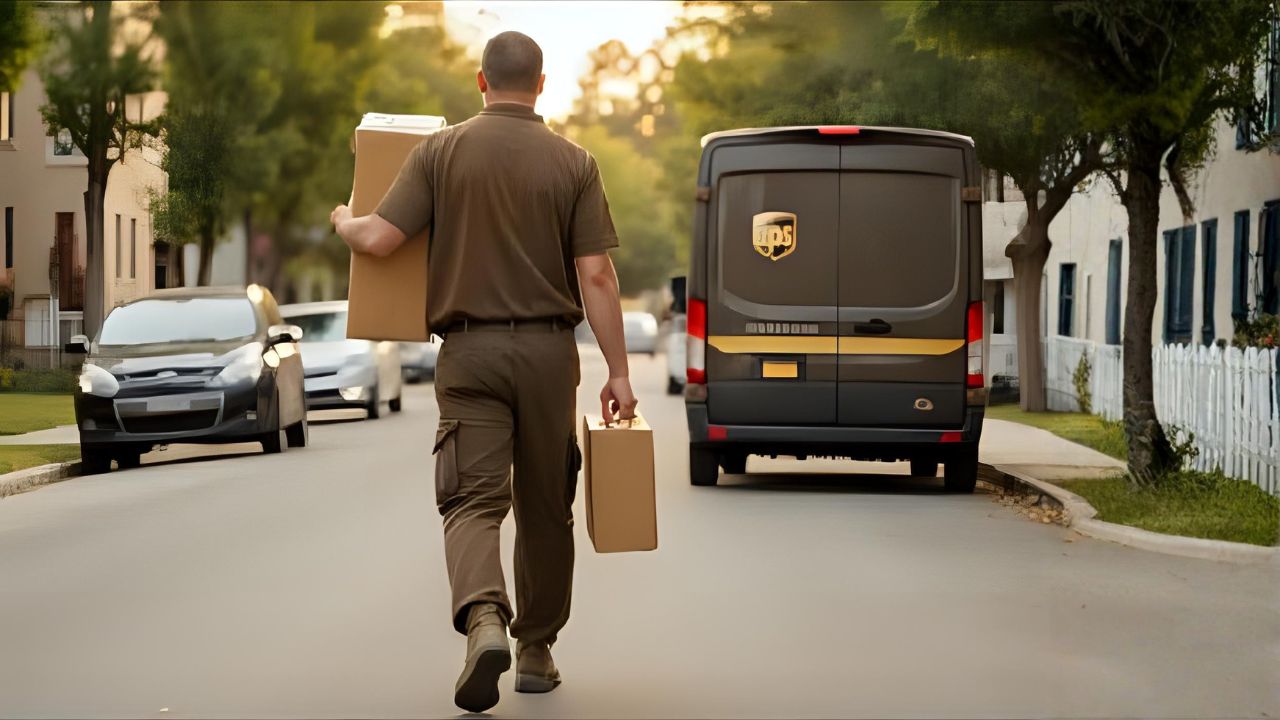
Route-Tested: Picks that grip wet porches and metal steps and cushion 10–12 hr routes.
Skip to Top Speed PickDelivery work beats up your feet fast—wet porches, metal steps, warehouse concrete, and 15–20k steps a day. This guide covers the best work boots for delivery drivers across real routes: lightweight sneaker-style for speed, waterproof safety-toe for rainy docks and hub rules, and cold-morning comfort for early starts.
Delivery driver footwear must balance cushioning, slip resistance, and durability across pavement, warehouse concrete, and wet entryways.
If you need slip-resistant delivery driver shoes that stay steady on ramps and porch tile, start here. If your day is more warehouse miles than street stops, see our guide to the best shoes for warehouse pickers.
Long-haul drivers often prefer different footwear than last-mile delivery drivers. If you spend most of your shift inside the cab, lighter pull-on boots or breathable safety shoes may be more comfortable. See our guide to work boots truck drivers typically wear for options designed for long highway routes and dock stops.
Updated February 2026
Who This Guide Is For
This guide is built for professional delivery drivers who spend long shifts moving between vans, porches, sidewalks, docks, and warehouse floors.
If you deliver for UPS, FedEx, Amazon, DHL, or regional route services — and regularly walk 10,000–20,000+ steps per shift — this is written for your job reality.
This guide compares the best delivery driver shoes and delivery driver boots — including the best shoes for UPS drivers, best boots for FedEx delivery, and lightweight options for Amazon DSP routes.
High daily step counts and constant truck entry add cumulative joint stress. Choosing boots built to reduce knee load over long routes can make a noticeable difference across a full delivery shift.
For drivers constantly jumping in and out of the truck, underfoot fatigue builds fast. A better insert can make a noticeable difference when the stock insole feels flat or unsupportive. Check our guide to insoles for work boots for options that work better inside protective footwear.
It is designed for drivers who:
- Climb in and out of vans 100+ times per day
- Step onto wet porches, metal truck steps, tile, and uneven pavement
- Work early mornings in cold weather or long hours in summer heat
- Need slip-resistant traction that holds on slick surfaces
- May be required to wear ASTM safety toe or EH-rated footwear
- Have experienced foot fatigue, knee soreness, or heel pain mid-route
Every model here is evaluated through the lens of real delivery stress: repetitive impact, constant surface changes, long mileage, and route fatigue.
If your delivery route runs through freight yards or rail-adjacent depots with loose gravel and diesel film, you may need more aggressive traction than a typical route shoe provides. In those cases, consider true best boots for railroad workers built for ballast grip, 8-inch ankle support, and EH-rated protection on uneven ground.
If your boots feel heavy by noon, slippery in rain, or flat after three months, you’re wearing the wrong build for delivery mileage. This guide breaks down what actually holds up on real routes.
If you’re doing rainy routes and still want a lighter boot for in and out of the van, these lightweight waterproof work boots are built for staying dry without the heavy clomp of traditional work boots.
Best Shoes for Delivery Drivers
(When You Don’t Need Boots)
Many drivers don’t actually need a full work boot. If your route is mostly dry pavement, short dock exposure, and no required safety toe, a lightweight work shoe can reduce fatigue significantly.
- Dry urban routes: lightweight, flexible sneaker-style builds reduce leg fatigue.
- Warehouse-heavy days: cushioned safety shoes (alloy/composite toe) balance protection and comfort.
- Hot climates: breathable mesh uppers reduce moisture buildup.
If you do not require ASTM toe protection and rarely work in heavy rain, a model like the Valsetz or Reebok Sublite may outperform traditional boots for daily mileage.
However, if your hub enforces safety standards or your route includes wet docks and slick steps, move to the waterproof or steel-toe sections below.
Frequent stops, hard surfaces, and repetitive movement can lead to strain building up through the feet and into the lower back. Choosing better support inside the boot can help reduce that effect over time. See our guide to work boots for back pain and our recommendations for safety shoes for walking on concrete.
Most Comfortable Shoes for Delivery Drivers
The best shoes for delivery drivers are lightweight, slip-resistant work shoes or boots with shock-absorbing midsoles and secure heel support. Drivers walking 10,000–20,000+ steps per shift need cushioning that holds up on pavement and concrete, plus dependable grip on wet porches, metal steps, and loading docks.
If your priority is pure comfort — reduced heel impact, less knee fatigue, and cushioning that holds up across 10–12 hour routes — focus on lightweight builds with shock-absorbing midsoles.
If you’re unsure whether steel or composite is better for long walking shifts, see our guide on what composite toe means and how it compares to steel.
The most comfortable shoes for delivery drivers typically share three traits:
- Responsive foam midsoles that rebound instead of flattening
- Lightweight construction that reduces leg fatigue
- Secure heel lock to prevent instability during constant van entry
For maximum comfort on dry routes, the Under Armour Valsetz RTS and Reebok Sublite Cushion EH are the two strongest options on this page. Both reduce end-of-day foot fatigue compared to traditional heavy work boots.
If you spend most of your shift on warehouse concrete, the Sublite often feels noticeably softer underfoot than leather boots.
Waterproof Boots for Delivery Drivers
(Rain & Wet Routes)
If your route includes wet porches, metal truck steps, loading docks, or heavy rain exposure, waterproof footwear becomes essential. Wet socks destroy comfort, increase blister risk, and accelerate fatigue.
- Membrane-based waterproofing: Look for KEEN.DRY or seam-sealed builds.
- Slip-resistant rubber: Critical for wet tile and painted metal steps.
- Waterproof + safety toe: Required in some hubs.
For consistent rain exposure, models like the KEEN Lansing or Columbia Newton Ridge provide moisture protection without excessive bulk.
Best Winter Boots for Delivery Drivers
Cold morning routes introduce ice, slush, and frozen metal truck steps. Winter delivery footwear should balance warmth, traction, and waterproofing without becoming heavy.
- Waterproof membranes to prevent slush soak.
- Slip-resistant winter rubber compounds.
- Room for thicker socks without toe compression.
For winter delivery routes, the Columbia Newton Ridge offers warmth and traction. For safety-toe winter hubs, consider waterproof steel-toe options like the KEEN Lansing.
Winter routes introduce extra challenges like icy steps, wet loading bays, and repeated in-and-out movement. For boots specifically tested for warmth, grip, and moisture control in harsh conditions, refer to our guide on colder weather work boots.
Steel Toe & Safety Toe Boots for Delivery Drivers
Some UPS, FedEx, and warehouse hubs require ASTM F2413-rated toe protection and EH certification. If your route includes loading docks, pallet handling, or warehouse duties, safety toe protection may be mandatory.
- Steel toe: Maximum impact protection, slightly heavier.
- Alloy toe: Lighter than steel, still ASTM-rated.
- Composite toe: Non-metallic and lighter, ideal for long shifts.
For drivers needing safety compliance without excessive weight, the Reebok Sublite Cushion EH or KEEN Lansing offer protection while maintaining comfort.
What Delivery Drivers Need
(FedEx, UPS & Long Haul)
- All-day comfort: cushioned midsoles + supportive footbeds for 10–12 hour routes.
- Grip: slip-resistant rubber for wet porches, metal steps, docks.
- Weight & flex: lighter uppers and flexible forefoot for fast in/out.
- Weather: waterproofing for rain; light insulation for cold dawn starts.
- Safety (as required): ASTM F2413 steel/alloy/composite toes + EH protection.
- Fit: secure heel + padded collar; leave toe room for end-of-day swell.
If most of your stops involve warehouse docks or indoor concrete hubs, you may want boots optimized specifically for walking and standing on concrete all day.
Route & Weather Matrix
Match Conditions to Features
| Conditions | Prioritize | Toe / PPE | Good Matches |
|---|---|---|---|
| Dry, dense urban (fast in/out) | Featherweight, flexible forefoot, cushioning | Soft toe (unless required) | UA Valsetz, Reebok Sublite (alloy) |
| Rainy suburbs, slick docks | Waterproof membrane, slip-resistant rubber | Steel/composite if hub-required | KEEN Lansing (WP + steel) |
| All-day pavement & warehouses | Shock diffusion, durable leather, padded collar | Soft toe unless PPE needed | Timberland PRO Pit Boss |
| Cold mornings, light snow | Waterproofing, winter traction, mild warmth | Soft toe OK if allowed | Columbia Newton Ridge |
| Long-haul + hub miles | Max cushioning, breathable upper, EH | Alloy/composite | Reebok Sublite Cushion EH |
UPS Driver Boot Requirements & Route Reality
UPS drivers typically wear slip-resistant work shoes or boots with durable outsoles and long-lasting cushioning. Some hubs require ASTM F2413 safety toe protection and EH-rated soles. Lightweight builds are preferred for dense urban routes with frequent van entry and all-day pavement walking.
If you specifically need boots rather than shoes, the best boots for UPS drivers combine slip-resistant rubber, shock absorption, and optional ASTM safety toe protection depending on hub policy.
UPS drivers often walk 8–12+ miles per shift depending on route density. The best shoes for UPS drivers balance slip-resistant grip, cushioning longevity, and lightweight construction. For hubs requiring protection, work boots for UPS drivers may need ASTM-rated toe and EH compliance. Repeated van entry, concrete sidewalks, and porch steps demand durable outsoles and stable heel support.
- Some hubs require ASTM-rated toe protection — confirm locally.
- Slip-resistant rubber is critical for wet metal steps.
- Cushioning longevity matters more than initial softness.
- Lightweight builds reduce end-of-day fatigue on dense urban routes.
For dry urban UPS routes, lighter builds like the Valsetz can perform well. For rain-heavy or dock-heavy hubs, consider waterproof and safety-toe options like the KEEN Lansing.
Best Shoes for UPS Package Handlers
UPS package handlers spend more time inside hubs than drivers, which means long hours on concrete floors, frequent lifting, and strict safety footwear requirements. The best shoes for UPS package handlers prioritize ASTM-rated toe protection, EH compliance, and cushioning that holds up on warehouse concrete.
- ASTM F2413 safety toe is commonly required
- EH-rated soles are often mandatory
- All-day cushioning matters more than weatherproofing
For indoor hub work, lightweight safety models like the Reebok Sublite Cushion EH provide alloy toe protection without the fatigue of heavy steel-toe boots.
If your role includes dock exposure or outdoor loading in wet conditions, the KEEN Lansing adds waterproofing and steel-toe protection.
Best Boots & Shoes for FedEx Delivery Drivers
FedEx Ground and Express routes often combine warehouse loading, truck work, and dense neighborhood delivery. That mix demands cushioning for concrete plus grip for wet pavement.
- Long indoor warehouse miles require shock absorption.
- Frequent van entry demands flexible forefoot design.
- Some hubs require ASTM-rated safety toe footwear.
For mostly dry routes, lighter models like the Valsetz reduce fatigue. For hub-heavy days or safety requirements, alloy or steel-toe options such as the Sublite EH or Lansing provide compliance and stability.
Best Shoes for Amazon Delivery Drivers
Amazon DSP drivers typically run high-stop-density residential routes, frequent van entry, and rapid pace walking. Unlike UPS hubs, safety toe requirements vary by contractor.
- High stop frequency = lightweight builds reduce fatigue
- Frequent stairs + porches = strong slip-resistant rubber matters
- Hot climates = breathable uppers prevent overheating
For dry urban Amazon routes, lightweight models like the Valsetz reduce leg fatigue. For mixed indoor/outdoor work, the Reebok Sublite balances safety and comfort.
Affiliate Disclosure: We may earn a commission if you buy through our links—at no extra cost to you. As an Amazon Associate, The Foot Facts earns from qualifying purchases. Thank you for your support!
Comparison Table — Best Work Boots for Delivery Drivers
| Product | Key Points | Best For | Price |
|---|---|---|---|
| Under Armour Valsetz RTS | Sneaker-like feel; ClutchFit ankle support; Micro G® cushioning. | Fast, dry routes where agility beats bulk | |
| Timberland PRO Pit Boss | Durable leather; shock-diffusion plate; slip-resistant outsole; padded collar. | All-day pavement & warehouse floors | |
| KEEN Utility Lansing | KEEN.DRY waterproof; asymmetrical steel toe; slip/oil-resistant rubber. | Rainy routes, slick docks, safety-toe hubs | |
| Columbia Newton Ridge | Seam-sealed waterproof; Techlite™ cushioning; Omni-Grip™ traction. | Cold mornings, light snow/rain (no safety toe) | |
| Reebok Work Sublite | Alloy toe; ultra-light Sublite foam midsole; EH rated; breathable mesh. | Long-haul & warehouse comfort on hard floors |
Under Armour Valsetz RTS 1.5 — Best Lightweight, Sneaker-Like Comfort
TFF Rating:
Best For: fast-paced drivers needing agile, breathable comfort on dry routes.
Built like a tactical sneaker, Valsetz pairs ClutchFit ankle support with Micro G® foam to keep knees and feet fresh over long pavement miles. Not waterproof and no safety toe—opt for this when speed and comfort beat bulk.
Field notes: “Fast on stairs and porches. Zero break-in. Dry-day champ; wished for waterproofing during a 20-stop drizzle.”
Key Features:
- Lightweight synthetic upper + breathable mesh
- UA ClutchFit ankle support system
- Micro G® cushioned midsole
- Slip-resistant rubber outsole
Pros
- Feather-light, zero break-in
- Sneaker feel with better grip
- Great shock absorption for long shifts
Cons
- No safety toe
- Not waterproof
- Less durable for heavy-duty abuse
- Rainy routes: consider a waterproof pick like KEEN Lansing.
- Hub PPE: verify if safety toe/EH is required before buying.
Sizing & Fit: True to size; medium width; airy upper suits warm climates.
Best For (recap): fast, dry routes; urban stops where weight and speed matter.
Timberland PRO 6" Pit Boss — Best for All-Day Pavement
TFF Rating:
Best For: UPS/city drivers on concrete and warehouse floors needing durability + comfort.
Leather workhorse with shock-diffusion plate and slip-resistant outsole. Heavier than sneaker-style picks but outlasts them on docks and ramps. Short break-in pays off in stability.
Field notes: “Grippy on wet metal steps. A touch heavy by mid-afternoon, but the stability pays off when pushing carts on ramps.”
Key Features:
- Soft toe; shock-diffusion stability plate
- Oil/slip-resistant outsole
- Padded collar; breathable lining
Pros
- Excellent grip on wet steps
- Durable leather upper
- Comfort chassis for long shifts
Cons
- Heavier than tactical styles
- No waterproof membrane
- Short break-in
- Constant rain: choose a membrane boot (e.g., Lansing).
- Hot hubs: rotate socks/insoles to manage sweat buildup.
Sizing & Fit: True to length; medium volume; wides available.
Best For (recap): all-day pavement, docks, and indoor floors where grip + durability lead.
KEEN Utility Lansing Mid — Best for Rainy Routes & Safety Hubs
TFF Rating:
Best For: wet routes, slick docks, hubs requiring steel toe and EH.
KEEN.DRY waterproof membrane keeps socks dry; asymmetrical steel toes feel roomy. A grippy, slip-resistant outsole handles metal steps and wet pavement.
Field notes: “Stayed dry through puddles and rain. Noticeably heavier than sneaker styles, but confidence went up on slick docks.”
Key Features:
- KEEN.DRY waterproof/breathable membrane
- Asymmetrical steel toe (ASTM F2413)
- Slip/oil-resistant rubber
Pros
- Reliable wet-weather protection
- Roomy protective toe
- Confidence on slick surfaces
Cons
- Heavier than soft-toe picks
- Runs warm in summer
Sizing & Fit: True to size; generous toe box; solid heel lock.
Best For (recap): rainy routes, safety-toe hubs, slick docks where waterproof grip matters.
Columbia Newton Ridge Plus II — Best for Cold Mornings & Light Snow
TFF Rating:
Best For: drivers needing light insulation, waterproofing, and winter traction without a safety toe.
Seam-sealed waterproof build with Techlite™ cushioning keeps steps soft. Omni-Grip™ traction helps on icy sidewalks and wet porches; still light enough for long routes.
Field notes: “Cold 6 a.m. starts felt fine. Waterproof seams handled slushy sidewalks; traction helped on icy porch tiles.”
Key Features:
- Waterproof leather/mesh upper (seam-sealed)
- Techlite™ cushioned midsole
- Omni-Grip™ winter traction rubber
Pros
- Warm yet breathable
- Dependable winter traction
- Lightweight comfort
Cons
- No safety toe / EH
- Runs narrow for some
- Toe-cap rules: verify hub PPE; pick Lansing if required.
- Snow pack: knock off buildup to maintain porch traction.
Sizing & Fit: Slightly narrow; many go ½ size up or choose Wide.
Best For (recap): cold dawn starts, light snow/rain, urban winter routes without toe-cap requirements.
Reebok Work Sublite Cushion EH — Best for Long-Haul & Warehouse Comfort
TFF Rating:
Best For: long-haul drivers and warehouse miles on hard floors needing alloy toe + EH with running-shoe comfort.
Sublite foam midsole is pillow-soft over concrete, while the breathable mesh upper keeps airflow moving. Not waterproof—this is a comfort/safety hybrid for indoor or dry routes.
Field notes: “Concrete miles felt easy—pillowy midsole. Not a rain option; perfect for hubs and dry routes.”
Key Features:
- Alloy safety toe (ASTM F2413)
- Sublite EVA foam midsole
- Slip-resistant rubber outsole
- EH protection
Pros
- Extremely light and cushioned
- Great airflow for warm hubs
- Safety features without bulk
Cons
- Not waterproof/insulated
- Mesh scuffs faster outdoors
- Wet routes: choose a membrane boot; Sublite shines indoors or dry days.
- Sole life: swap when lugs flatten to keep slip resistance sharp.
Sizing & Fit: True to size; medium width; roomy toe; ideal with lightweight socks.
Best For (recap): long-haul + warehouse days where cushioning trumps weatherproofing.
Quick Picks (TL;DR)
- Lightweight speed: UA Valsetz RTS
- Pavement & docks: Timberland PRO Pit Boss
- Wet & safety: KEEN Lansing (WP + steel toe)
- Cold mornings: Columbia Newton Ridge
- Warehouse cushion: Reebok Sublite Cushion EH
What Actually Fails First on Delivery Routes
Most delivery footwear does not fail at the toe cap or upper first. It fails underneath you.
- Midsoles flatten: Cushioning compresses after 3–6 months of concrete miles, leading to heel and knee fatigue.
- Outsoles lose siping: Flattened tread reduces grip on wet tile and metal truck steps.
- Waterproof membranes break down: Flex points at the forefoot are common leak zones.
- Heel counters soften: Poor heel lock increases ankle fatigue on ramps and stairs.
If your boots suddenly feel harder, louder on impact, or less stable on slick porches, it’s usually midsole breakdown.
Most full-time drivers replace insoles every 3–6 months and boots every 6–12 months depending on mileage.
Foot Pain & Injury Prevention for Delivery Drivers
High-mileage delivery work increases risk of heel pain, arch strain, knee soreness, and lower back fatigue — especially on concrete and pavement.
- Heel pain (plantar fascia stress): prioritize cushioned midsoles and supportive insoles.
- Knee soreness: shock absorption matters more than stiffness.
- Lower back fatigue: stable heel lock and balanced cushioning reduce impact transfer.
- Blisters: moisture control + correct sizing prevent friction buildup.
If you regularly finish routes with heel or arch discomfort, consider rotating insoles and choosing a model built for long concrete exposure, such as Sublite or Pit Boss.
Pro Tips for Delivery Drivers
- Route socks: liner + merino crew cuts blisters and keeps feet drier.
- Grip checks: replace when lugs flatten—slip risk spikes on wet porches.
- Water days: stash spare socks; pick a membrane boot for rain hubs.
- Insole life: refresh every 3–6 months with daily concrete miles.
- Rotate pairs: midsoles rebound better and odor drops.
- Three points of contact: step tests on new porch surfaces prevent spills.
- Tuck laces; avoid baggy cuffs near cart wheels and lift gates.
- Wipe spills immediately—wet tile + smooth rubber = ice.
- Use three points of contact on truck steps; test a new porch surface before shifting weight.
- Swap soaked socks mid-route to prevent blisters and cold toes.
- Retire footwear after a major toe impact or if the cap/plate shows damage.
Care & Maintenance for Driver Footwear
- Dry fast: pull insoles and use a low-heat boot dryer overnight; avoid direct high heat that can delaminate adhesives.
- De-grit outsoles: porch sand + salt kill traction—quick brush at lunch and end of day.
- Membrane care: rinse road salt; use mild soap only; re-proof seasonally.
- Mesh uppers: wipe dust with damp cloth; air-dry fully before the next shift.
- Laces & eyelets: keep dry; swap frayed laces to maintain ankle lock on ramps.
Sneaker-Style vs Traditional
Which Fits Your Route?
| Style | Strengths | Trade-offs | Good Matches |
|---|---|---|---|
| Sneaker-style | Ultra-light, breathable, fast break-in | Less weather/safety coverage | UA Valsetz, Reebok Sublite |
| Traditional work boot | Grip, durability, waterproof/safety options | Heavier, warmer | Timberland PRO Pit Boss, KEEN Lansing |
Some drivers prefer a flatter, more natural stance for long walking days, especially when switching constantly between pavement and concrete. If that’s you, our guide to zero drop safety boots explains when a flat platform helps — and when it doesn’t.
Sock Pairing & Footcare (Drivers)
- Daily combo: thin moisture-wicking liner + mid-weight merino-blend crew to reduce blisters and keep feet dry.
- Warm hubs / summer: ultralight merino or cool-max crews; avoid cotton.
- Cold dawn starts: mid-to-heavy merino crew with a breathable boot; keep a spare dry pair in the cab.
- Concrete cushion: pair cushioned socks with soft midsoles to reduce heel strike fatigue.
- Fit rule: if socks get thicker, re-check toe room; aim for a thumb’s width at the front.
If moisture buildup is still an issue even with good socks, the upper material and lining matter more than most people think. This guide to work boots for sweaty feet breaks down breathable builds that hold up to long routes.
Route Picks by Scenario
| Route / Scenario | Works Well? | Prioritize |
|---|---|---|
| City stops (dry) | ✅ | Featherweight cushioning, flexible forefoot → Valsetz |
| Rain + docks | ✅ | Waterproof membrane, steel/composite toe → Lansing |
| Warehouse miles | ✅ | Soft toe comfort chassis → Pit Boss |
| Winter chill | ✅ | Waterproof, winter traction, mild warmth → Newton Ridge |
| Long-haul + hubs | ✅ | Max cushioning, EH alloy toe → Sublite EH |
Related Guides
- Best Work Boots for Concrete Floors
- Best Work Boots for Back Pain
- How to Clean Work Boots
- Work Boots for Plantar Fasciitis
- All Work Boot Guides
Safety & Standards
If your hub requires ASTM F2413 toe/EH protection, verify the exact model’s markings. For the regulation, see OSHA Foot Protection (29 CFR 1910.136).
Final Verdict
Top overall (speed + comfort): Under Armour Valsetz RTS. Rain & safety hubs: KEEN Lansing. Pavement & docks: Timberland PRO Pit Boss. Cold mornings: Columbia Newton Ridge. Long-haul/warehouse cushion: Reebok Sublite EH.
The best work boots for delivery drivers combine slip-resistant rubber, shock-absorbing midsoles, and stable heel support for constant in-and-out movement. Depending on hub requirements, drivers may also need ASTM-rated safety toe protection and EH certification for warehouse and dock work.
FAQ — Delivery Driver Boots
What should delivery drivers look for first?
Comfort and grip. Cushioning + slip resistance prevent fatigue and slips on porches, steps, and docks.
Do I need a safety toe?
Only if employer policy or tasks require it. Alloy/composite reduce weight vs steel.
Are sneaker-style boots okay for routes?
Yes for dry urban routes and warehouses. For rain or docks, choose waterproof and/or safety toe.
What’s the best outsole tread for metal truck steps?
Look for slip-resistant rubber with siping and wide contact patches. Deep, hard lugs can skate on smooth wet metal.
What shoes do UPS package handlers wear?
UPS package handlers typically wear ASTM F2413-rated safety shoes with EH protection and durable cushioning designed for long hours on warehouse concrete floors.
What are the best shoes for delivery drivers?
The best shoes for delivery drivers combine slip-resistant rubber, shock-absorbing midsoles, and secure heel support. For warehouse-heavy routes, lightweight safety-toe models are common, while waterproof boots are better for rain-heavy routes.
Low, mid, or 6" height—what’s best?
Low-cut: fastest, least support. Mid/6": better ankle lock and splash protection for ramps and wet steps.
Waterproof vs water-resistant—what’s the difference?
Waterproof uses a membrane (e.g., KEEN.DRY) to block water; water-resistant sheds light rain only.
What are the best shoes for Amazon DSP drivers?
Most Amazon DSP drivers prefer lightweight, slip-resistant shoes with strong cushioning for high-stop routes. Safety toe depends on contractor requirements.
Which outsole compounds grip best on wet porches?
Soft, slip-resistant rubber with siping and flat-ish contact patches grips tile and metal steps better than hard, lug-only soles.
How do I size for long shifts?
Fit late-day with route socks; leave a thumb’s width at the toe; heel locked. Swap insoles if arch or heel feels sore mid-route.
Can I wear hiking boots to deliver?
Often fine if PPE allows. If your hub requires ASTM F2413, choose a safety-toe work boot instead.
What socks work best for drivers?
Merino-blend crews or a liner + merino combo. Avoid cotton; it traps sweat and increases blisters.
How often should I replace insoles/outsoles?
Insoles every 3–6 months with daily concrete miles; replace boots when lugs flatten or midsoles feel “dead.”
How We Test — Driver Methodology & Scoring
We test on wet porches, metal steps, ramps, and concrete. Scores blend on-foot wear, spec checks, and verified driver reports. We weigh slip resistance, cushioning over long mileage, waterproofing/breathability, and weight for constant in-and-out movement.
| Model | Cushioning (1–10) | Slip Grip | Waterproof/Breathable | All-Day Comfort | Break-in | Weight |
|---|---|---|---|---|---|---|
| UA Valsetz | 9.0 | Good | Breathable / Non-WP | Excellent | None | Ultra-light |
| Pit Boss | 8.2 | Very Good | Non-WP / Breathable lining | Very Good | Short | Moderate |
| KEEN Lansing | 8.0 | Very Good | Waterproof / Moderate breathability | Very Good | Short | Heavier |
| Newton Ridge | 8.6 | Very Good | Waterproof / Good breathability | Very Good | Short | Light |
| Reebok Sublite EH | 9.2 | Good | Non-WP / Highly breathable | Excellent | None | Ultra-light |
About the Author & Testing
Compiled by The Foot Facts with input from FedEx, UPS, and long-haul drivers. We evaluate slip resistance, waterproofing, cushioning, and weight for constant in-and-out movement. Fit notes blend spec sheets, driver feedback, and wear-testing where noted.
End of a long route, if your knees still feel springy and your footing is sure—that’s the shoe that earned its spot.